Wormwood
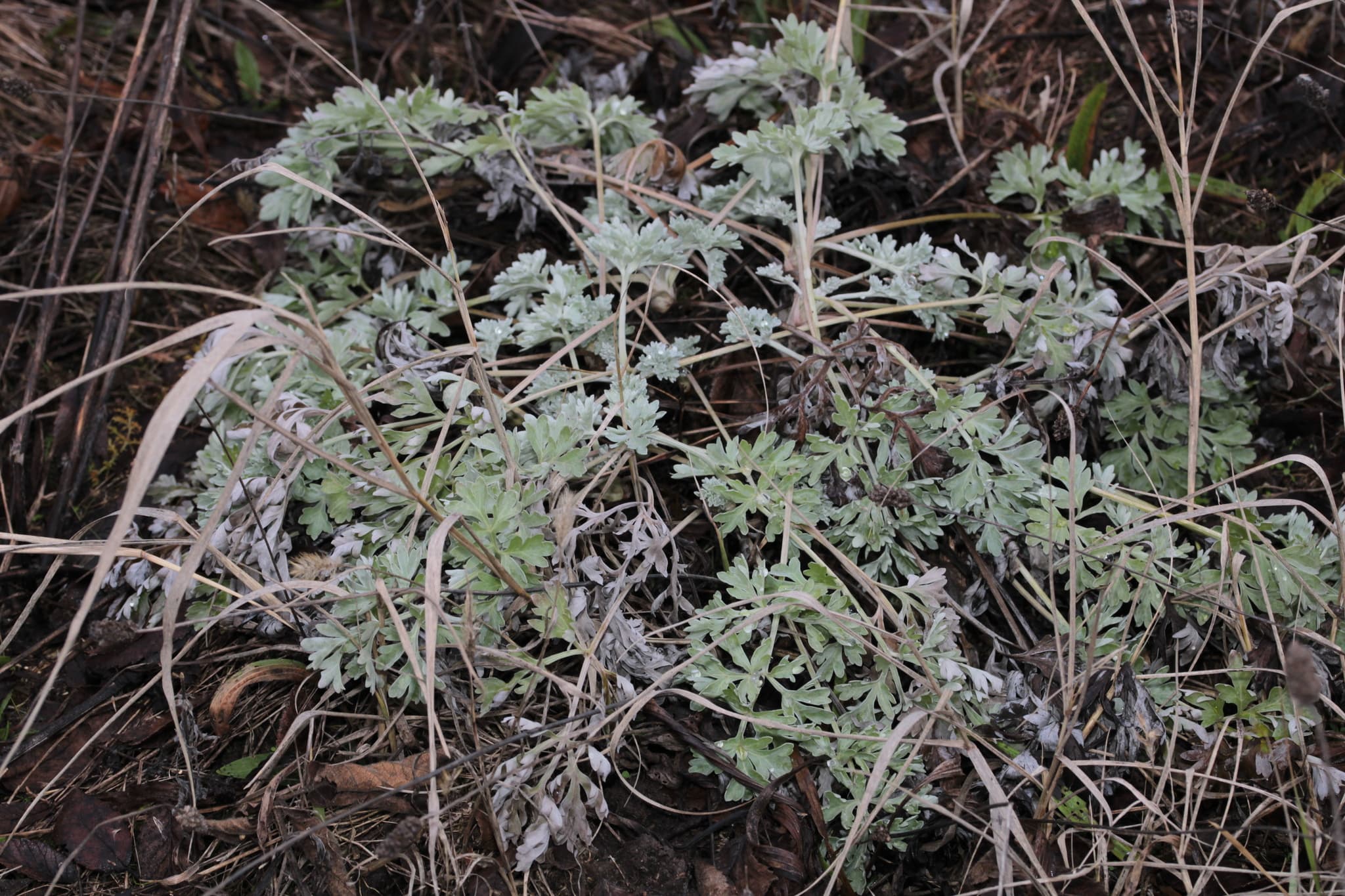
Image: Tamás Klózer (cc-by-nc)
NameWormwood
Scientific NameArtemisia absinthium
Common NamesWormwood, Absinthe Wormwood, Grand Wormwood
Plant FamilyAsteraceae
Natural HabitatNative to temperate regions of Eurasia and Northern Africa, Wormwood thrives in dry, uncultivated areas such as roadsides, rocky slopes, waste grounds, and fields. It prefers full sun exposure and well-drained, poor to moderately fertile soil.
Parts Usedleaf,flower
Medicinal Actionsantimicrobial, anti-inflammatory, analgesic, carminative, antioxidant, astringent
Traditional UsesTraditionally, Wormwood has been used as a bitter tonic to stimulate digestion, increase appetite, and treat parasitic infections, particularly intestinal worms. It has also been employed for liver and gallbladder complaints, fever, and as an emmenagogue. Historically, it is a key ingredient in the alcoholic beverage absinthe.
Active ConstituentsThujone (alpha and beta), sesquiterpene lactones (e.g., absinthin), flavonoids, essential oils, phenolic acids
Preparation Methodsinfusion, tincture, powder, essential oil
Contraindications & WarningsWormwood is contraindicated during pregnancy and lactation due to its potential abortifacient effects and transfer into breast milk. It should be avoided by individuals with epilepsy or seizure disorders, as thujone can be neurotoxic and induce seizures in high doses. Prolonged use or high doses are not recommended due to the risk of thujone toxicity, and individuals with kidney disease or allergies to the Asteraceae family should exercise caution.
Cultivation NotesWormwood is a hardy perennial that prefers full sun and well-drained, poor to moderately fertile soil. It is drought-tolerant once established and can be propagated by seed or division. It is relatively low-maintenance and can become invasive in some areas if not managed.
Raritycommon
Description
Wormwood is a perennial herbaceous plant characterized by its silvery-green, deeply lobed leaves covered in fine, silky hairs, giving it a soft, fuzzy texture. It typically grows upright, reaching heights of 0.5 to 1.5 meters, and produces small, yellowish-green, inconspicuous flowers in panicles during late summer.