Nasturtium
NameNasturtium
Scientific NameTropaeolum majus
Common NamesNasturtium, Garden Nasturtium, Indian Cress, Monk's Cress
Plant FamilyTropaeolaceae
Natural HabitatNative to the Andes mountains of South America, Nasturtium is now widely cultivated globally. It thrives in full sun to partial shade and well-drained soil, often naturalizing in disturbed areas, gardens, and along roadsides in temperate climates.
Parts Usedleaf,flower,seed,whole_plant
Medicinal Actionsantimicrobial, antioxidant, expectorant, anti-inflammatory
Traditional UsesTraditionally, Nasturtium has been valued for its potent antibiotic-like properties, particularly in treating respiratory and urinary tract infections. It is also used as an expectorant for coughs and colds, a general tonic to stimulate appetite, and topically for minor skin irritations and to promote hair growth due to its high vitamin C content.
Active Constituentsglucosinolates, isothiocyanates, vitamin C, carotenoids, flavonoids
Preparation Methodsinfusion, poultice, powder
Contraindications & WarningsGenerally considered safe for consumption in culinary amounts. However, large medicinal doses may cause stomach upset in sensitive individuals. It is not recommended for pregnant or breastfeeding women in therapeutic quantities due to insufficient research.
Cultivation NotesNasturtium is easy to grow from seed, preferring full sun to partial shade and well-drained soil. It tolerates poor soil conditions and is relatively drought-tolerant once established, making it a low-maintenance plant suitable for ground cover, containers, or trailing over walls.
Raritycommon
Description
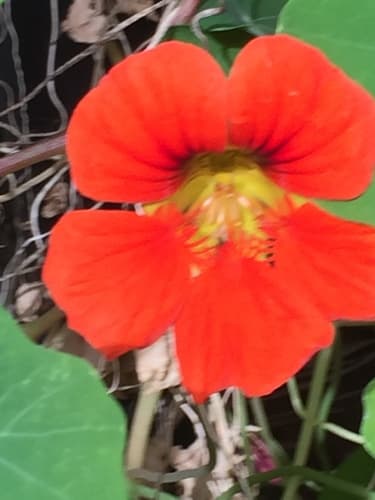
Nasturtium is an annual or perennial flowering plant characterized by its vibrant, often orange, red, or yellow flowers and distinctive round, shield-shaped leaves. It has a slightly peppery taste and a trailing or bushy growth habit, making it popular in gardens and as an edible ornamental.