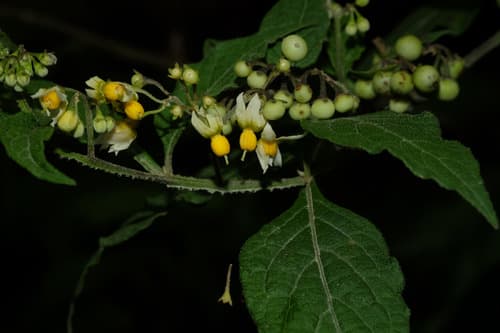
Solanum huayavillense
NameSolanum huayavillense
Scientific NameSolanum huayavillense
Plant FamilySolanaceae
Natural HabitatThis species is endemic to Peru, specifically known from the Huayavilla region. It likely thrives in tropical or subtropical Andean environments, potentially in disturbed areas or forest margins.
Parts Usedleaf
Medicinal Actionsanti-inflammatory, antimicrobial
Traditional UsesWhile specific traditional uses for Solanum huayavillense are not widely documented, many species within the Solanum genus are traditionally used for their anti-inflammatory and antimicrobial properties. These are often applied topically as poultices for skin conditions, wounds, and localized pain, due to the potential toxicity of internal consumption.
Active Constituentssteroidal glycoalkaloids, flavonoids
Preparation Methodspoultice
Contraindications & WarningsDue to the presence of steroidal glycoalkaloids, particularly in unripe fruits, Solanum species can be toxic. Internal use is generally not recommended without expert guidance. Contraindicated in pregnancy, lactation, children, and individuals with gastrointestinal sensitivities or known allergies to the Solanaceae family.
Cultivation NotesAs an Andean species, Solanum huayavillense likely prefers well-drained soil and a warm, humid climate, possibly with full sun to partial shade. Propagation can typically be achieved through seeds or stem cuttings, similar to other Solanum species.
Rarityuncommon
Description
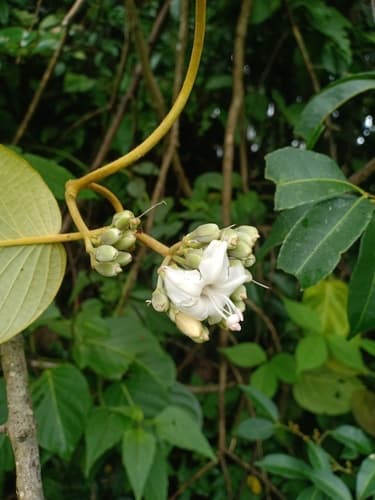
Solanum huayavillense is a shrubby plant characterized by its green, somewhat hairy leaves with serrated margins. It produces clusters of small, white to cream-colored flowers with prominent yellow anthers, typical of the Solanum genus. The plant also bears clusters of small, round, green fruits, which are unripe in the image.