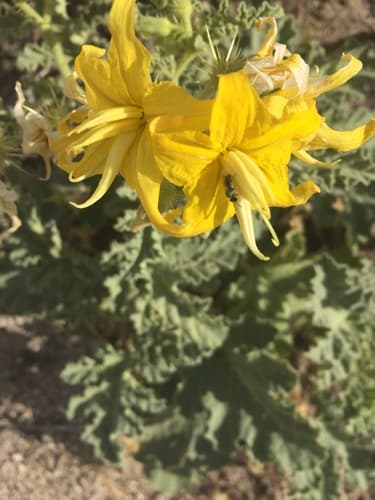
bigibbous cestrum
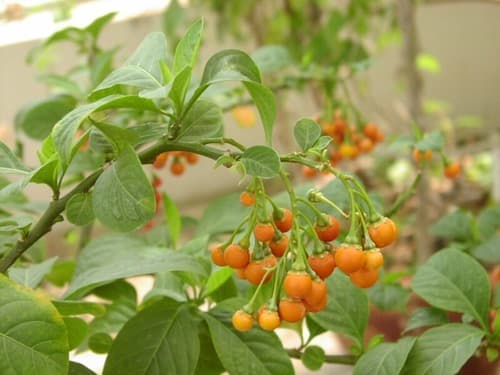
Image: Daniel Fernicola (cc0)
Namebigibbous cestrum
Scientific NameCestrum bigibbosum Pittier
Common Namesbigibbous cestrum
Plant FamilySolanaceae
Natural HabitatNative to montane and upper montane forests in regions such as Parque Nacional Guaramacal in Trujillo, Venezuela, typically found at elevations between 2200 and 2600 meters.
Parts Usedleaf,fruit
Medicinal Actionsanti-inflammatory, analgesic
Traditional UsesSpecific traditional medicinal uses for *Cestrum bigibbosum* are not well-documented. The genus *Cestrum* is widely known for containing toxic compounds, and many species are considered poisonous. While some related *Cestrum* species have been anecdotally used in traditional medicine for purported anti-inflammatory or analgesic effects, such applications for *C. bigibbosum* are not established and would require extreme caution due to potential toxicity.
Active Constituentssteroidal glycoalkaloids, nicotine-like alkaloids
Preparation Methodspoultice, powder
Contraindications & WarningsAll parts of *Cestrum bigibbosum* should be considered potentially toxic and are not recommended for internal use. The genus *Cestrum* contains steroidal glycoalkaloids and other toxic compounds that can cause severe gastrointestinal distress, neurological symptoms, and potentially fatal outcomes if ingested. Avoid use by pregnant or nursing individuals, children, or those with pre-existing liver or kidney conditions. Consult a qualified expert before any external use.
Cultivation NotesThis small tree thrives in high-altitude, montane forest environments, preferring elevations between 2200 and 2600 meters. It requires conditions mimicking its native Venezuelan habitat, likely including specific soil types and humidity levels.
Rarityuncommon
Description
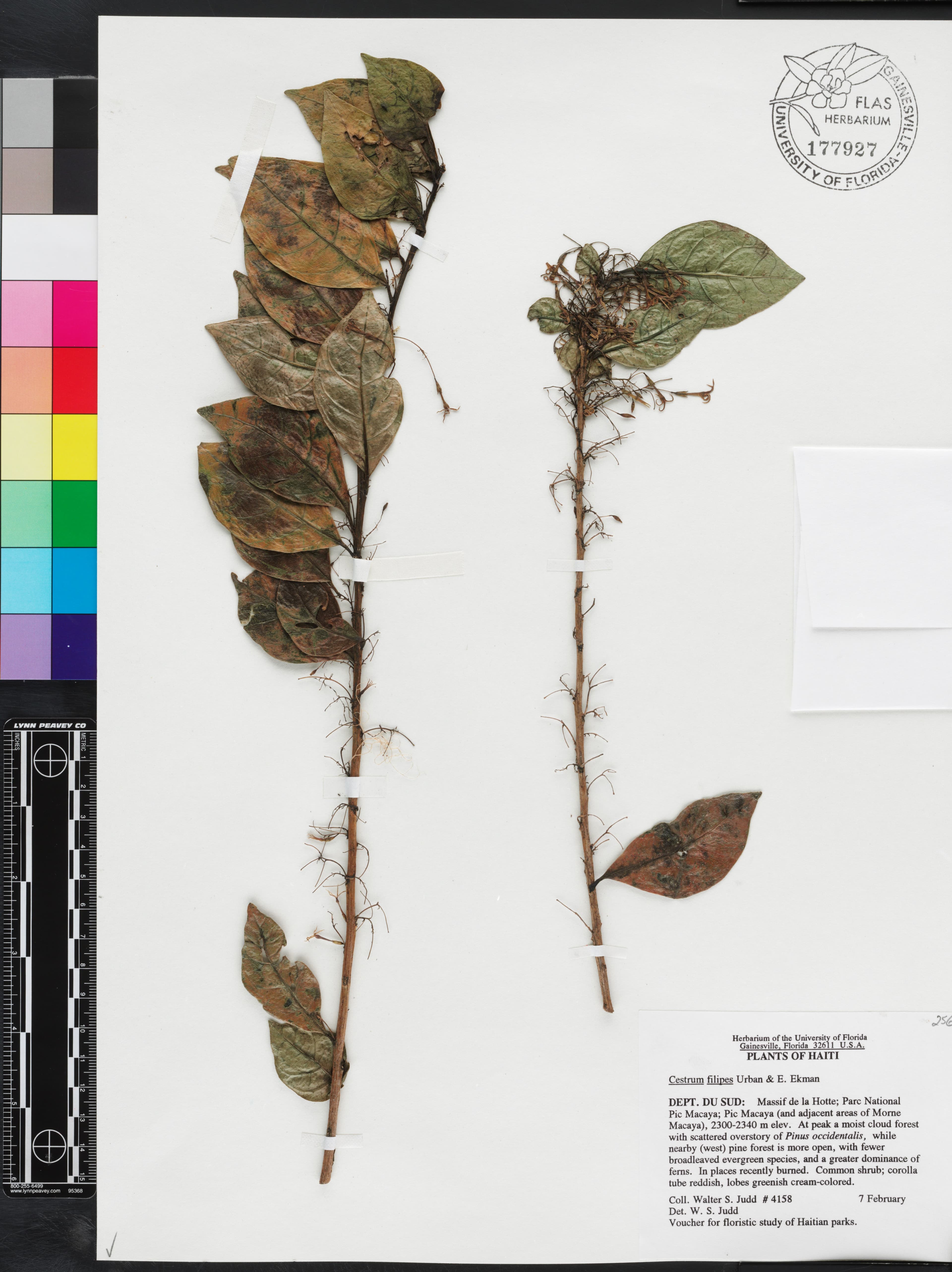
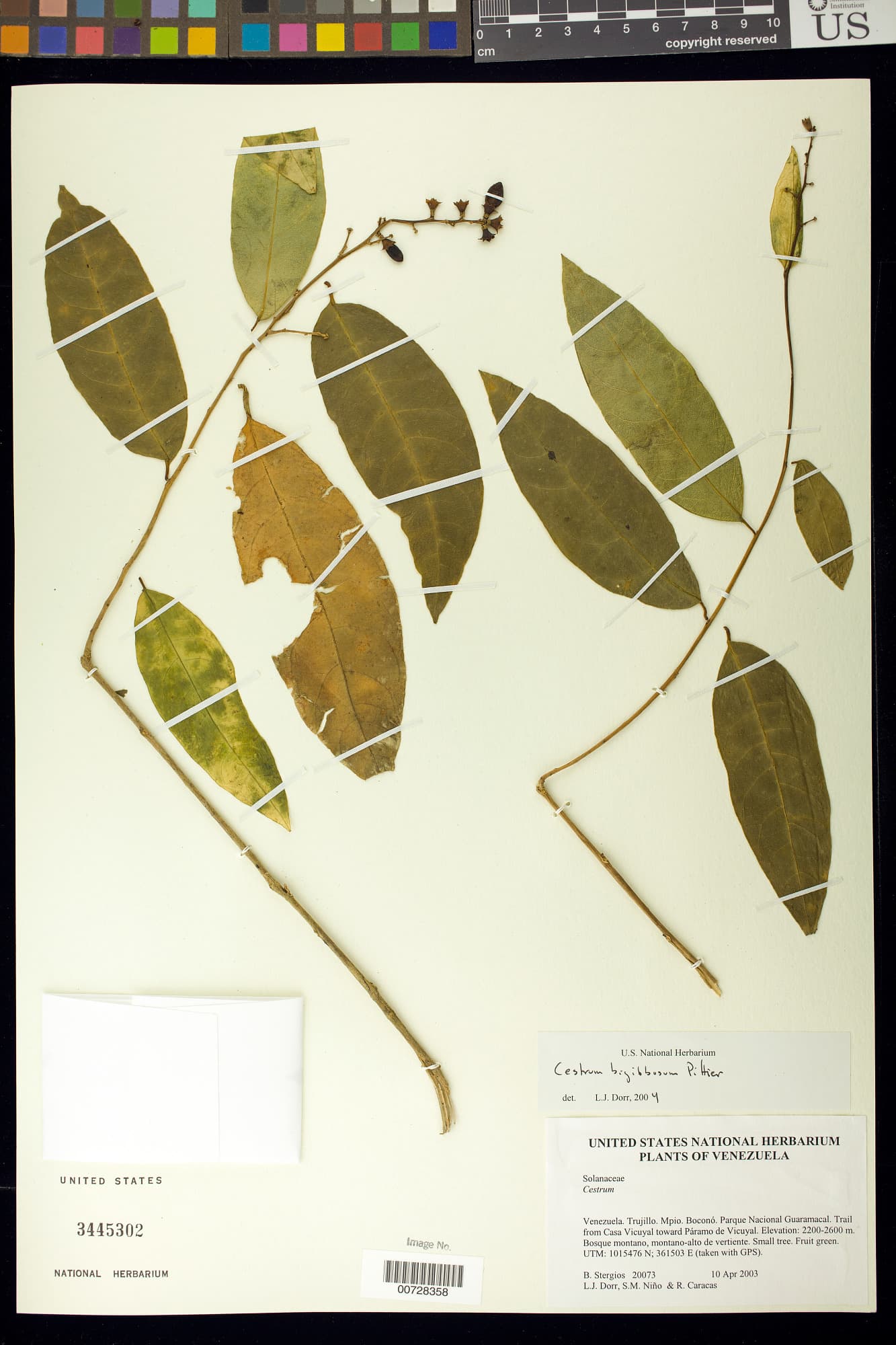
Cestrum bigibbosum is a small tree characterized by simple, alternate, ovate-lanceolate leaves. The herbarium specimen displays dried foliage and small, dark, possibly mature fruits.