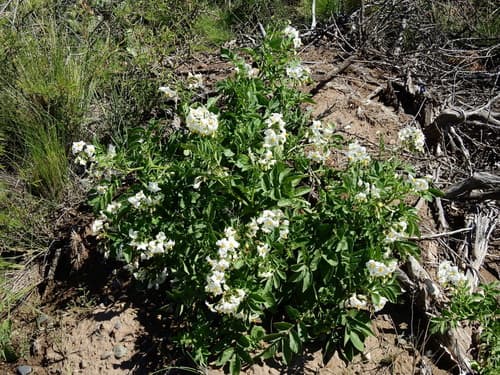
Solanum kurtzianum
NameSolanum kurtzianum
Scientific NameSolanum kurtzianum
Common NamesKurtz's Wild Potato, Wild Potato
Plant FamilySolanaceae
Natural HabitatNative to South America, particularly Argentina, where it grows in diverse environments including disturbed areas, roadsides, and open woodlands, often at higher altitudes.
Parts Usedroot
Medicinal Actionsantioxidant, anti-inflammatory
Traditional UsesTraditionally, the tubers of Solanum kurtzianum have been used as a food source by indigenous communities after careful processing to reduce toxic glycoalkaloids. While specific widespread medicinal uses for this species are not well-documented, other Solanum species have been used in folk medicine for various ailments, often topically or with highly specific preparation methods.
Active ConstituentsGlycoalkaloids (e.g., solanine, chaconine), Phenolic compounds, Flavonoids
Preparation Methodsdecoction, powder
Contraindications & WarningsAll parts of Solanum kurtzianum, especially the tubers, contain toxic glycoalkaloids. Ingestion without proper detoxification can cause severe gastrointestinal upset, neurological symptoms, and can be fatal. Pregnant women, children, and individuals with liver or kidney conditions should strictly avoid. Not recommended for internal medicinal use without expert guidance and detoxification.
Cultivation NotesThis wild potato species prefers full sun and well-drained soil. It is relatively hardy and can tolerate various soil types. Propagation is typically by tubers or seeds. It is primarily cultivated for genetic research due to its disease resistance.
Rarityuncommon
Description
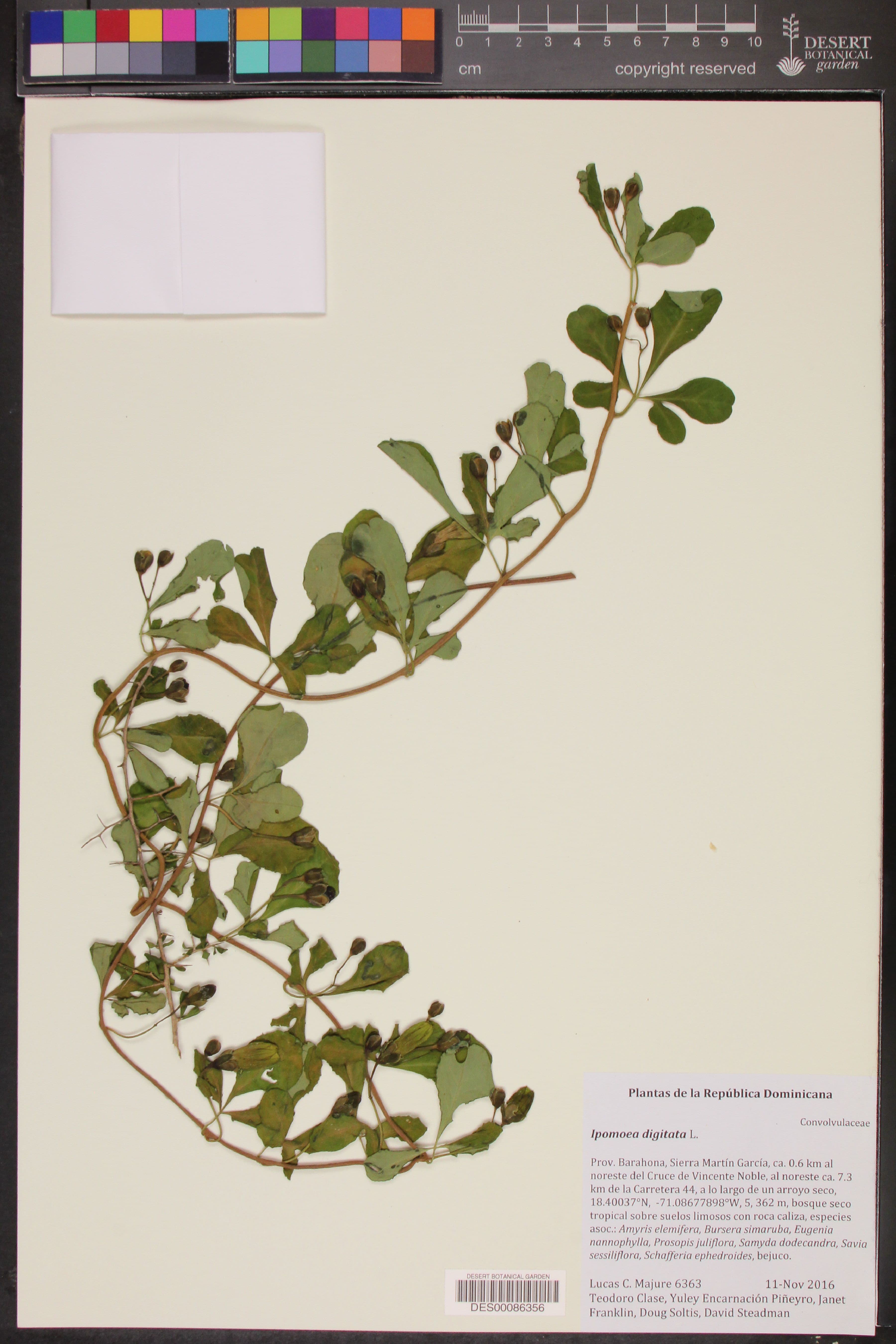
A herbaceous perennial plant characterized by its compound leaves and clusters of white to pale yellow flowers. It produces underground tubers, typical of potato species. This wild relative of the cultivated potato is primarily known for its genetic diversity.