Thyme
NameThyme
Scientific NameThymus vulgaris
Common NamesThyme, Common Thyme, Garden Thyme
Plant FamilyLamiaceae
Natural HabitatNative to the Mediterranean region, Thyme thrives in dry, rocky, and sunny habitats. It is commonly found in garrigue, maquis, and open woodlands, preferring well-drained, often calcareous soils.
Parts Usedleaf,flower
Medicinal Actionsantimicrobial, expectorant, carminative, anti-inflammatory, antioxidant
Traditional UsesTraditionally, Thyme has been used for respiratory conditions such as coughs, bronchitis, and sore throats due to its expectorant and antimicrobial properties. It is also employed for digestive issues like indigestion and flatulence, and topically as an antiseptic for minor wounds and skin infections.
Active Constituentsthymol, carvacrol, flavonoids, rosmarinic acid
Preparation Methodsinfusion, tincture, essential oil, powder, salve
Contraindications & WarningsHigh doses of thyme essential oil can be irritating and should be used with caution, especially by pregnant women or individuals with high blood pressure. It may potentially interact with anticoagulant medications, though this is generally minor with culinary use.
Cultivation NotesThyme prefers full sun and well-drained soil, tolerating poor and rocky conditions. It is drought-tolerant once established and benefits from light pruning to maintain shape and encourage new growth.
Raritycommon
Description
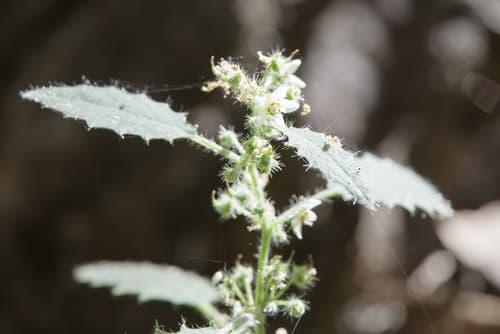
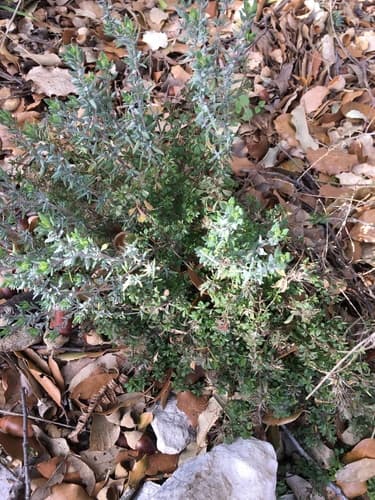
Thyme is a low-growing, aromatic perennial subshrub characterized by small, oval to linear, often grayish-green leaves and tiny, usually pink to purple flowers. It forms dense mats or small bushes with woody stems, releasing a strong fragrance when its foliage is crushed.