Aosa rostrata
NameAosa rostrata
Scientific NameAosa rostrata
Common NamesOrtiga brava, Stinging Loasa
Plant FamilyLoasaceae
Natural HabitatNative to the Andes region of South America, typically found in disturbed areas, roadsides, agricultural fields, and open, sunny to partially shaded locations at moderate to high altitudes.
Parts Usedleaf,whole_plant
Medicinal Actionsanalgesic, anti-inflammatory, diuretic
Traditional UsesTraditionally, Aosa rostrata has been used for its counter-irritant properties to alleviate rheumatic pain, arthritis, and muscle aches. It is also employed as a diuretic and, with careful preparation, for certain skin conditions.
Active Constituentsalkaloids, flavonoids, triterpenes, histamine-like compounds
Preparation Methodsinfusion, decoction, poultice
Contraindications & WarningsDirect contact with the fresh plant causes severe stinging and skin irritation due to its urticating hairs. Internal use should be approached with caution, especially for pregnant or nursing women, and individuals with sensitive digestive systems. Allergic reactions are possible.
Cultivation NotesThis plant prefers well-drained soil and sunny to partially shaded conditions. It is often considered a weed in its native range, growing readily in disturbed soils and propagating easily by seed.
Raritycommon
Description
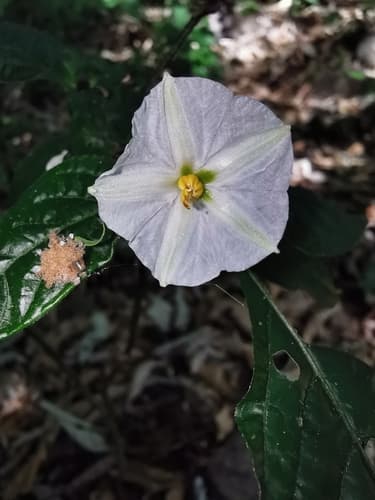
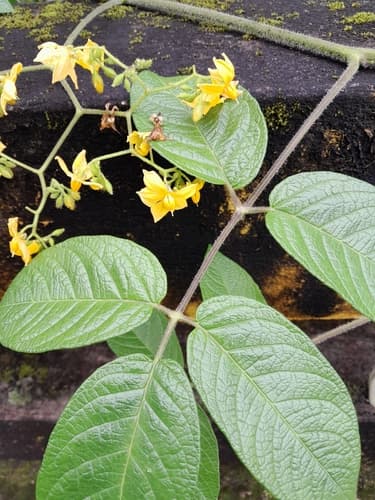
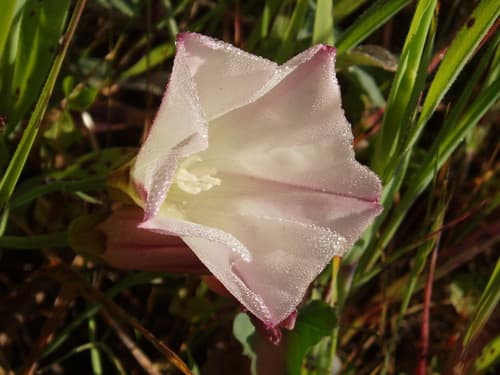
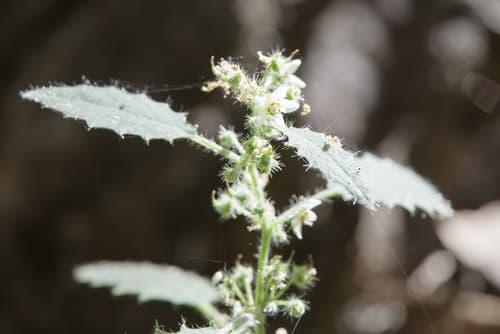
A herbaceous plant characterized by its prominent stinging hairs covering the stems and leaves. It features deeply lobed or serrated leaves and produces small, white to yellowish flowers clustered in inflorescences.