Solanum paludosum
NameSolanum paludosum
Scientific NameSolanum paludosum
Plant FamilySolanaceae
Natural HabitatNative to South America, particularly Brazil, where it grows in humid environments such as Atlantic Forest, restinga, and disturbed areas, often along forest edges or in marshy conditions.
Parts Used
Traditional UsesThere are no widely documented traditional medicinal uses specifically for Solanum paludosum. Many species within the Solanum genus are used in traditional medicine globally, but often with careful preparation due to the presence of toxic compounds.
Active ConstituentsSteroidal glycoalkaloids, flavonoids, saponins
Contraindications & WarningsAll parts of Solanum paludosum should be considered potentially toxic due to the presence of steroidal glycoalkaloids. Ingestion can cause gastrointestinal upset, neurological symptoms, and other adverse effects. Avoid use by pregnant or breastfeeding women, children, and individuals with liver or kidney conditions.
Cultivation NotesThrives in tropical to subtropical climates with high humidity. Prefers well-drained soil and can grow in partial shade to full sun.
Raritycommon
Description
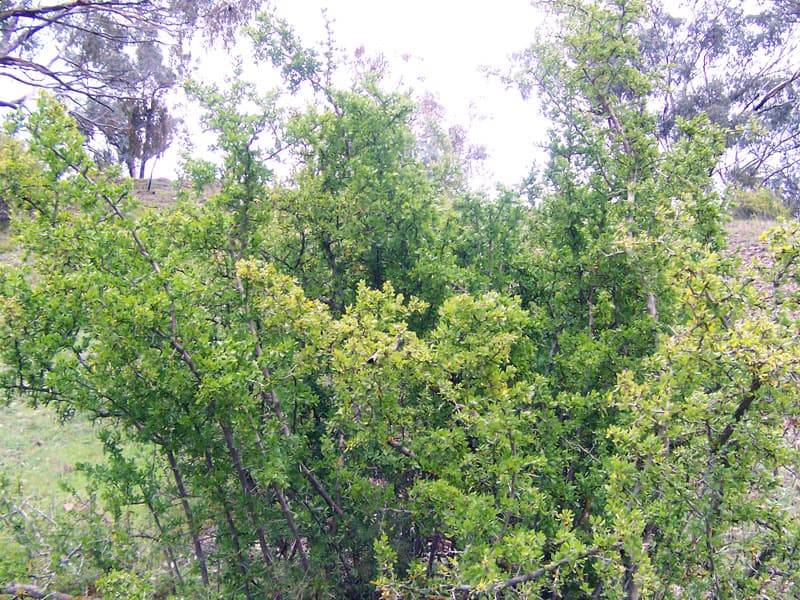
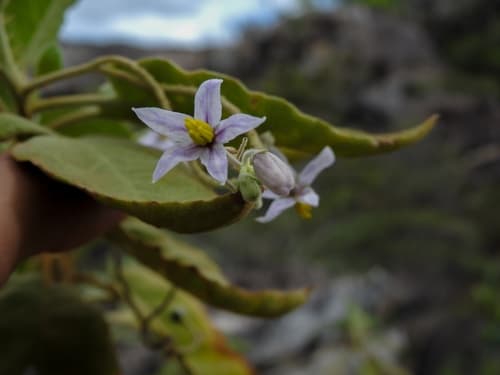
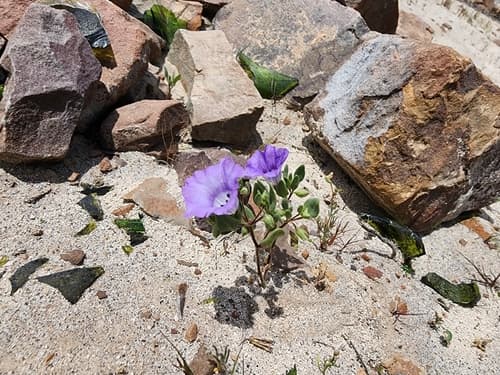
Solanum paludosum is a shrub or small tree, typically 1-3 meters tall, characterized by simple, green leaves and striking purple, star-shaped flowers. These flowers feature prominent yellow anthers fused into a cone, a common trait in the Solanum genus.