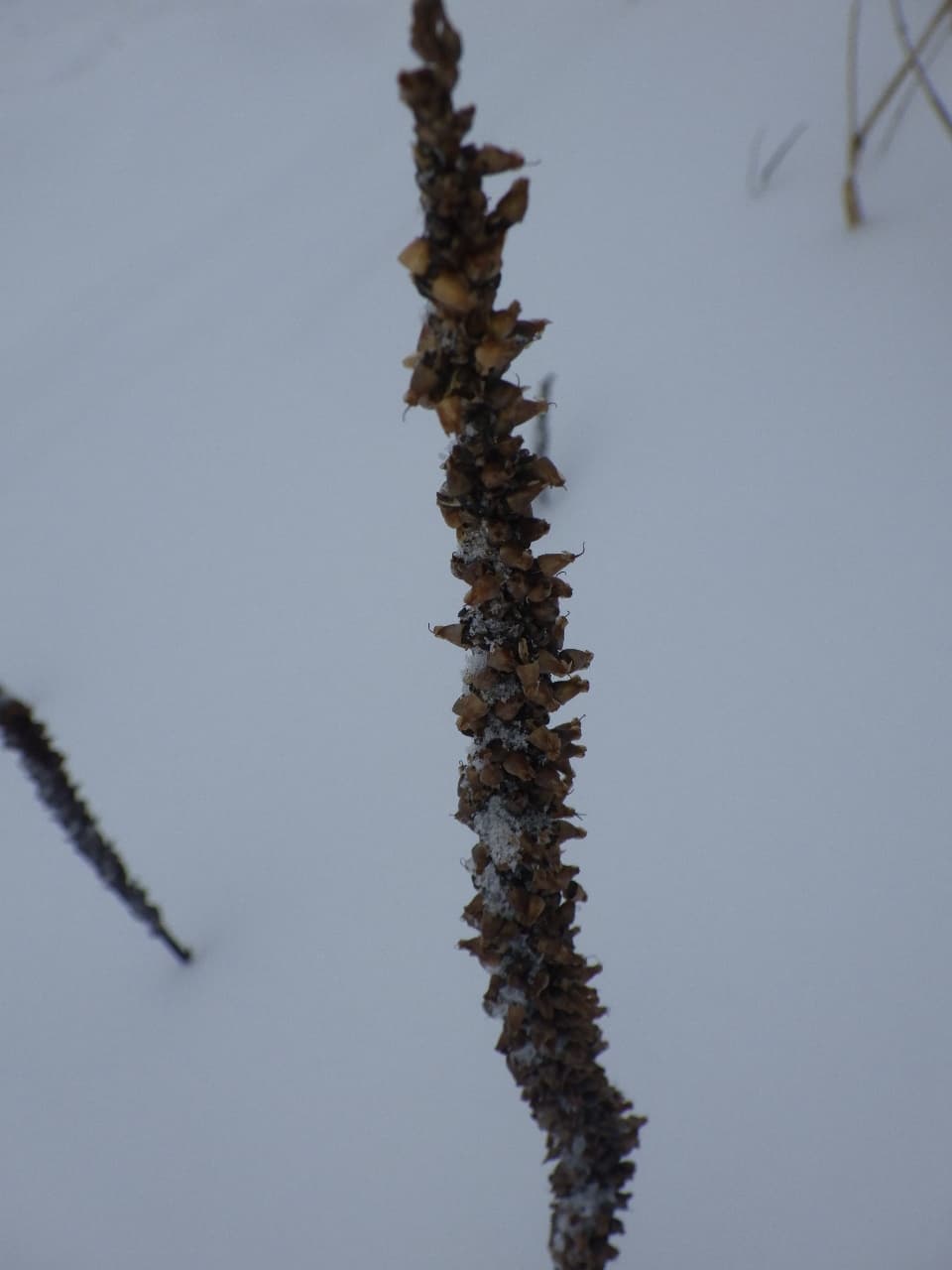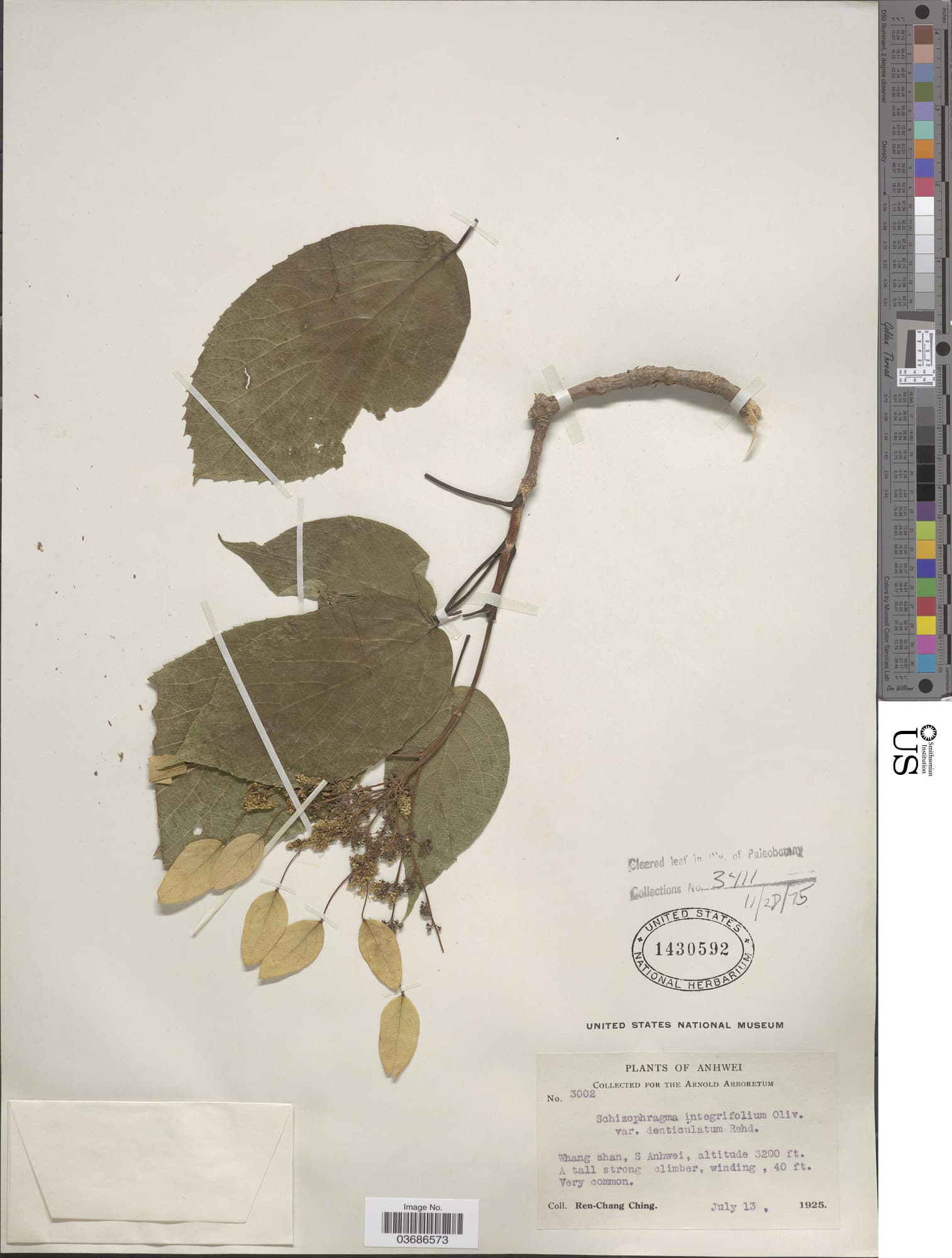
Hydrangea ampla
Image: Conveyor Belt (cc0)
NameHydrangea ampla
Scientific NameHydrangea ampla (Chun) Y.De Smet & C.Granados
Common NamesChinese Climbing Hydrangea, Ample Hydrangea
Plant FamilyHydrangeaceae
Natural HabitatFound in forests, thickets, and along mountain slopes in central and southern China, often in moist, shaded environments.
Parts Usedroot,leaf
Medicinal Actionsdiuretic, anti-inflammatory, astringent
Traditional UsesTraditionally, roots and leaves of Hydrangea species have been used in Chinese folk medicine for treating urinary tract infections, kidney and bladder stones, and prostate issues due to their diuretic and anti-inflammatory properties.
Active Constituentshydrangin, saponins, flavonoids, coumarins
Preparation Methodsdecoction, tincture, powder
Contraindications & WarningsNot recommended for pregnant or breastfeeding women. Individuals with kidney disease or taking diuretic medications should use with caution and under professional guidance. May cause gastrointestinal upset in sensitive individuals.
Cultivation NotesPrefers partial to full shade and consistently moist, well-drained, acidic to neutral soil. Requires a sturdy support structure for climbing.
Rarityuncommon
Description
Hydrangea ampla is a deciduous climbing shrub native to China, characterized by its ovate leaves and clusters of white, often sterile, flowers. It can grow quite tall, clinging to surfaces with aerial roots.