Physochlaina capitata
NamePhysochlaina capitata
Scientific NamePhysochlaina capitata
Common NamesCapitate Physochlaina, Head-flowered Physochlaina
Plant FamilySolanaceae
Natural HabitatNative to high-altitude mountainous regions of Central Asia, including the Himalayas and Tibet, found on rocky slopes, alpine meadows, and scrublands.
Parts Usedroot,whole_plant
Medicinal Actionsanalgesic, sedative
Traditional UsesTraditionally used in Tibetan and Chinese medicine for its potent analgesic and sedative properties, particularly for relieving various pains such as toothache, stomach pain, and rheumatic pain, and for treating spasms. It is considered a powerful herb used with extreme caution.
Active ConstituentsHyoscyamine, Scopolamine, Atropine
Preparation Methodsdecoction, powder, tincture
Contraindications & WarningsHighly toxic due to potent tropane alkaloids; contraindicated in pregnancy, lactation, glaucoma, prostate enlargement, heart conditions, and by children. Overdose can cause severe anticholinergic poisoning including delirium and coma. Use only under strict medical supervision.
Cultivation NotesPrefers well-drained, rocky soil and full sun to partial shade. It is hardy and adapted to cold, high-altitude environments. Propagation is typically by seed or root division.
Rarityuncommon
Description
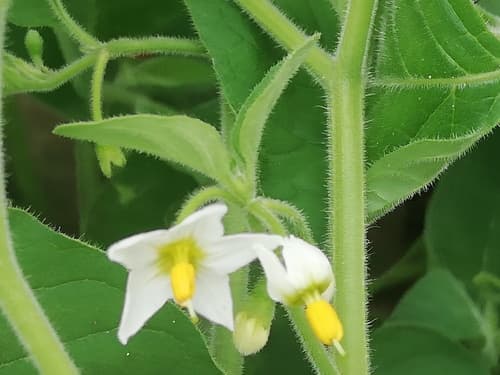
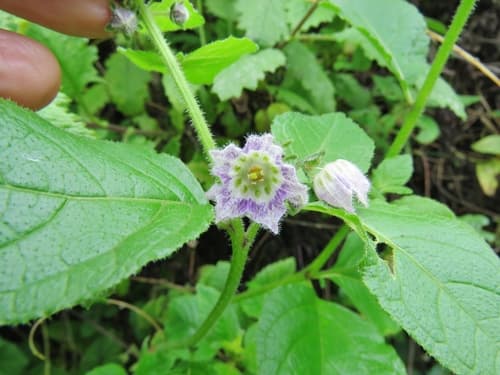
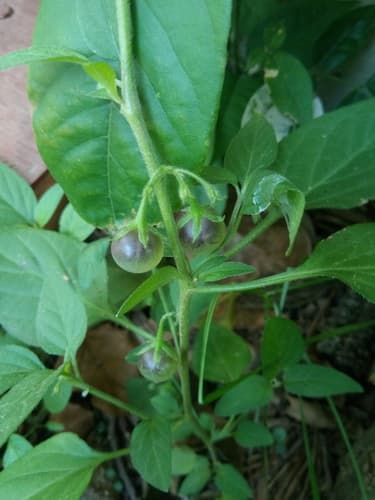
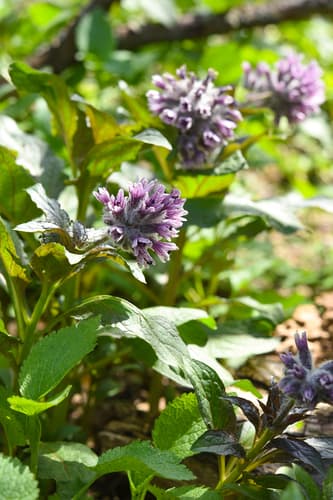
A perennial herbaceous plant characterized by broad, often undulate leaves and distinctive dense, capitate clusters of purplish, hairy flowers. It grows from a thick, fleshy rootstock, typical of alpine species.