Convolvulus valentinus
NameConvolvulus valentinus
Scientific NameConvolvulus valentinus
Common NamesValencian Bindweed
Plant FamilyConvolvulaceae
Natural HabitatNative to the Mediterranean region, including Spain, Portugal, and North Africa. It thrives in dry, rocky, sandy, or disturbed soils, often found in coastal areas, garrigue, and open fields.
Parts Used
Traditional UsesSpecific traditional medicinal uses for Convolvulus valentinus are not widely documented. However, other species within the Convolvulus genus have historically been used as strong purgatives, though often with significant caution due to their potent effects and potential toxicity.
Active ConstituentsGlycosidic resins
Contraindications & WarningsDue to the lack of specific medicinal documentation for Convolvulus valentinus and the known strong purgative and potentially toxic nature of related Convolvulus species, internal use is generally not recommended. It may cause severe gastrointestinal upset and is contraindicated in pregnancy, lactation, and individuals with gastrointestinal disorders.
Cultivation NotesThis plant is drought-tolerant and prefers full sun with well-drained, poor to moderately fertile soil. It can be considered a weed in agricultural settings and may spread readily in suitable conditions.
Raritycommon
Description
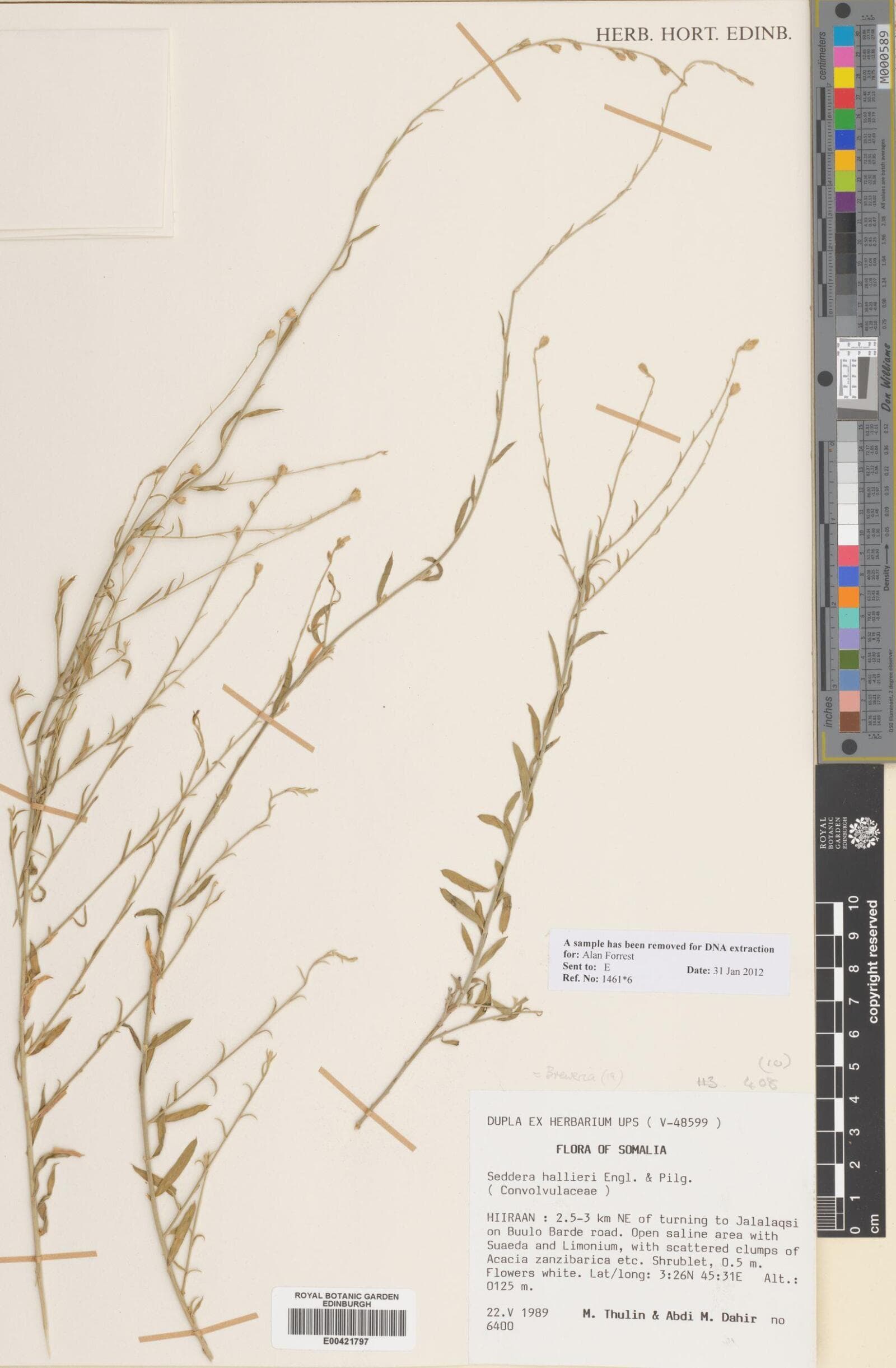
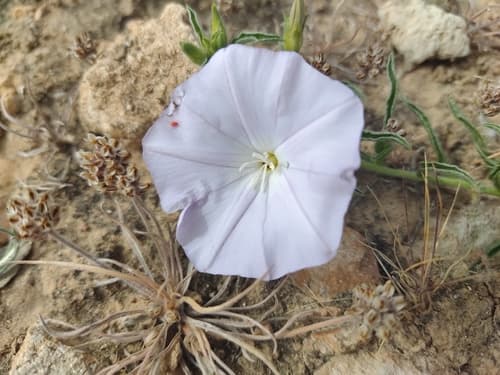
Convolvulus valentinus is a perennial herbaceous plant, typically growing prostrate or decumbent with slender stems. It features solitary, funnel-shaped flowers, usually pale pink to white, and small, often hairy, linear to spatulate leaves.