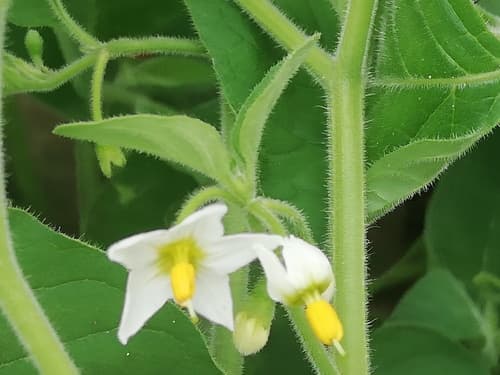
Solanum pruinosum
NameSolanum pruinosum
Scientific NameSolanum pruinosum
Common NamesTomatillo de monte, Papa de monte
Plant FamilySolanaceae
Natural HabitatNative to South America, often found in disturbed areas, forest margins, and open fields, thriving in warm, subtropical to tropical climates.
Parts Usedfruit,leaf
Medicinal Actionsanti-inflammatory, analgesic
Traditional UsesThe ripe fruits are traditionally consumed as food in some regions. In traditional medicine, some Solanum species, including potentially S. pruinosum (though less documented specifically), are used externally as poultices for pain, inflammation, and skin conditions. Internal use is highly cautioned due to toxicity.
Active ConstituentsSteroidal glycoalkaloids, Solanine, Solamargine, Flavonoids
Preparation Methodspoultice, infusion, decoction
Contraindications & WarningsAll parts of the plant, especially unripe fruits, are considered toxic due to glycoalkaloids. Internal use is highly discouraged and potentially dangerous. Avoid during pregnancy, lactation, and in children. May interact with medications affecting the nervous system or gastrointestinal tract.
Cultivation NotesPrefers full sun to partial shade and well-drained soil. Thrives in warm, humid climates. Can be propagated by seed.
Raritycommon
Description
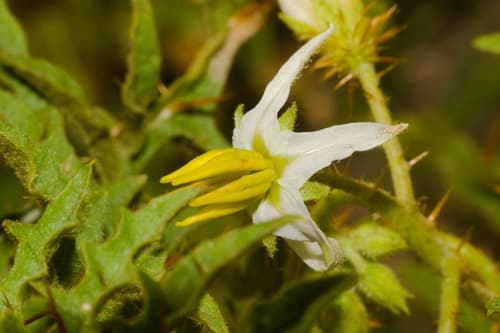
A herbaceous plant or small shrub characterized by densely hairy (pruinose) stems and leaves. It produces white, star-shaped flowers with prominent yellow anthers, typically followed by small, round berries.