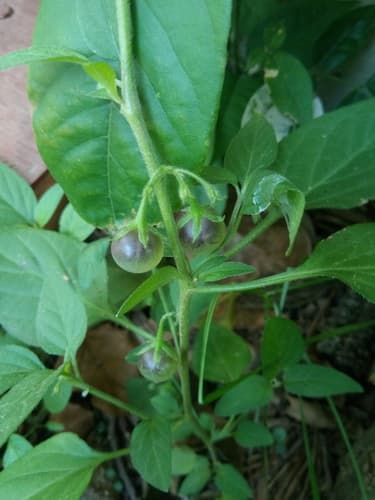
Solanum olympicum
NameSolanum olympicum
Scientific NameSolanum species (likely Solanum nigrum complex; Solanum olympicum is not a widely recognized botanical name)
Common NamesBlack Nightshade, Garden Huckleberry, Wonderberry
Plant FamilySolanaceae
Natural HabitatCommonly found in disturbed areas, gardens, agricultural fields, and roadsides across temperate and subtropical regions globally.
Parts Usedleaf,fruit
Medicinal Actionsanalgesic, anti-inflammatory, sedative, diuretic, antioxidant
Traditional UsesTraditionally, the leaves have been used externally as a poultice for skin inflammations, boils, and wounds. Internally, with extreme caution and in very small doses, it has been used as a sedative, analgesic, and diuretic. Ripe berries of certain non-toxic varieties are consumed as food.
Active ConstituentsSolanine, Solamargine, Solasonine, Anthocyanins, Saponins, Flavonoids
Preparation Methodspoultice, infusion
Contraindications & WarningsAll parts of the plant, especially unripe berries and leaves, contain toxic glycoalkaloids (e.g., solanine) and can be poisonous if ingested. Symptoms of poisoning include nausea, vomiting, diarrhea, abdominal pain, drowsiness, and paralysis. Contraindicated in pregnancy, lactation, children, and individuals with liver or kidney conditions. Avoid concurrent use with sedatives or anticholinergic drugs. Only fully ripe berries of specifically identified, non-toxic varieties should ever be considered for consumption.
Cultivation NotesThis plant is easily cultivated from seed and thrives in full sun to partial shade with well-drained soil. It can be quite vigorous and may self-seed readily, sometimes becoming weedy.
Raritycommon
Description
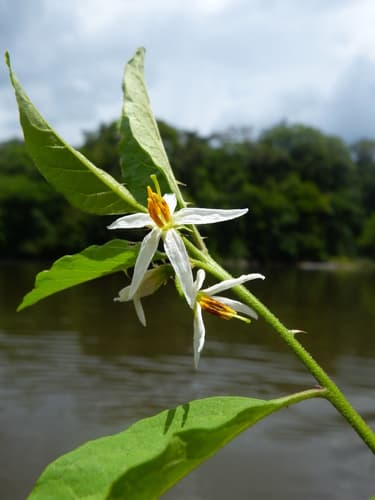
This herbaceous plant, visually resembling species within the Solanum nigrum complex, typically grows as an annual or short-lived perennial. It features ovate leaves and produces clusters of small, round berries that ripen from green to a dark purplish-black.