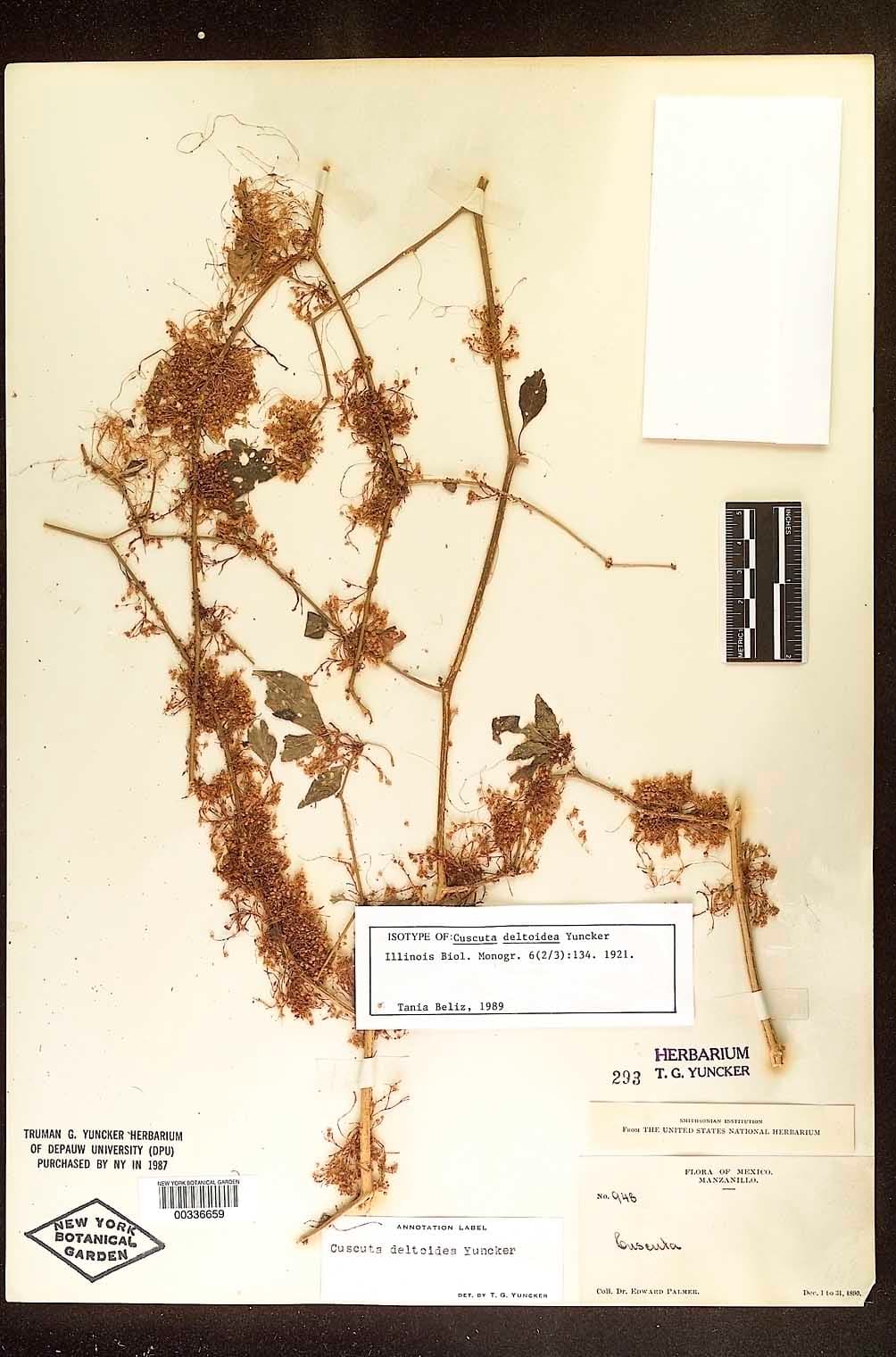
Cuscuta deltoidea
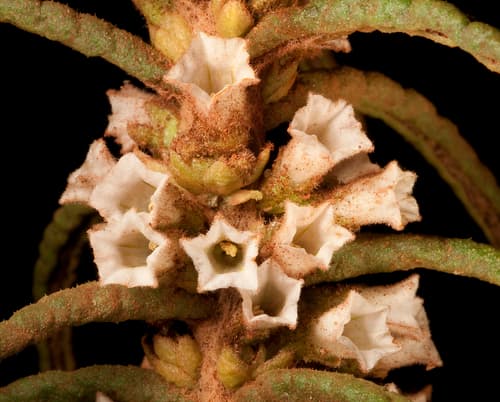
Image: The New York Botanical Garden (cc-by)
NameCuscuta deltoidea
Scientific NameCuscuta deltoidea Yunck.
Common NamesDodder, Love Vine, Witch's Hair, Strangleweed
Plant FamilyConvolvulaceae
Natural HabitatAs an obligate parasitic plant, Cuscuta deltoidea grows by attaching to and drawing nutrients from various host plants. The specimen label indicates it was collected in Manzanillo, Mexico, suggesting a tropical to subtropical habitat where it can parasitize a range of local flora.
Parts Usedwhole_plant,seed
Medicinal Actionsantioxidant, anti-inflammatory, diuretic, adaptogen, antimicrobial
Traditional UsesTraditionally, species of Cuscuta, including those related to C. deltoidea, have been used in various herbal medicine systems. They are often employed to tonify the kidneys and liver, improve vision, and address issues such as impotence, premature ejaculation, frequent urination, and chronic diarrhea. Some traditional uses also include treating skin conditions and acting as a general tonic.
Active ConstituentsFlavonoids, Lignans, Polysaccharides, Coumarins, Alkaloids
Preparation Methodsinfusion, decoction, tincture, powder
Contraindications & WarningsCuscuta species are generally contraindicated during pregnancy and lactation. Individuals with yin deficiency with heat signs should avoid its use. It may also interact with blood-thinning medications, and professional medical advice should be sought before use.
Cultivation NotesCuscuta deltoidea is an obligate parasitic plant, meaning it cannot be cultivated independently without a host plant. Its cultivation for medicinal purposes is challenging and generally not practiced, as it requires specific host species to germinate and thrive, making controlled harvesting difficult.
Raritycommon
Description
Cuscuta deltoidea is a parasitic, herbaceous vine characterized by its slender, twining, yellowish-brown stems that lack true leaves. It forms dense, tangled masses, producing clusters of small, inconspicuous flowers or fruits along its stems, as seen in the dried specimen.