Nasa laxa
NameNasa laxa
Scientific NameNasa laxa
Common NamesOrtiga brava, Andean Stinging Nettle
Plant FamilyLoasaceae
Natural HabitatNative to the Andean regions of South America, typically found in montane forests, cloud forests, and disturbed areas at moderate to high altitudes.
Parts Usedleaf,flower
Medicinal Actionsanalgesic, anti-inflammatory
Traditional UsesTraditionally, the stinging properties of Nasa laxa are utilized as a counter-irritant in Andean folk medicine. It is applied topically to alleviate rheumatic pain, arthritis, and muscle aches by stimulating blood flow and distracting from deeper pain.
Active Constituentshistamine, acetylcholine, serotonin, formic acid
Preparation Methodspoultice
Contraindications & WarningsDirect contact with the plant can cause severe skin irritation, redness, and blistering due to its potent stinging hairs. Avoid use on broken skin or by individuals with sensitive skin or known allergies to its constituents.
Cultivation NotesNasa laxa prefers moist, well-drained soil and partial shade, mimicking its natural cloud forest habitat. It can be propagated by seed, but extreme care must be taken during handling due to its stinging hairs.
Rarityuncommon
Description
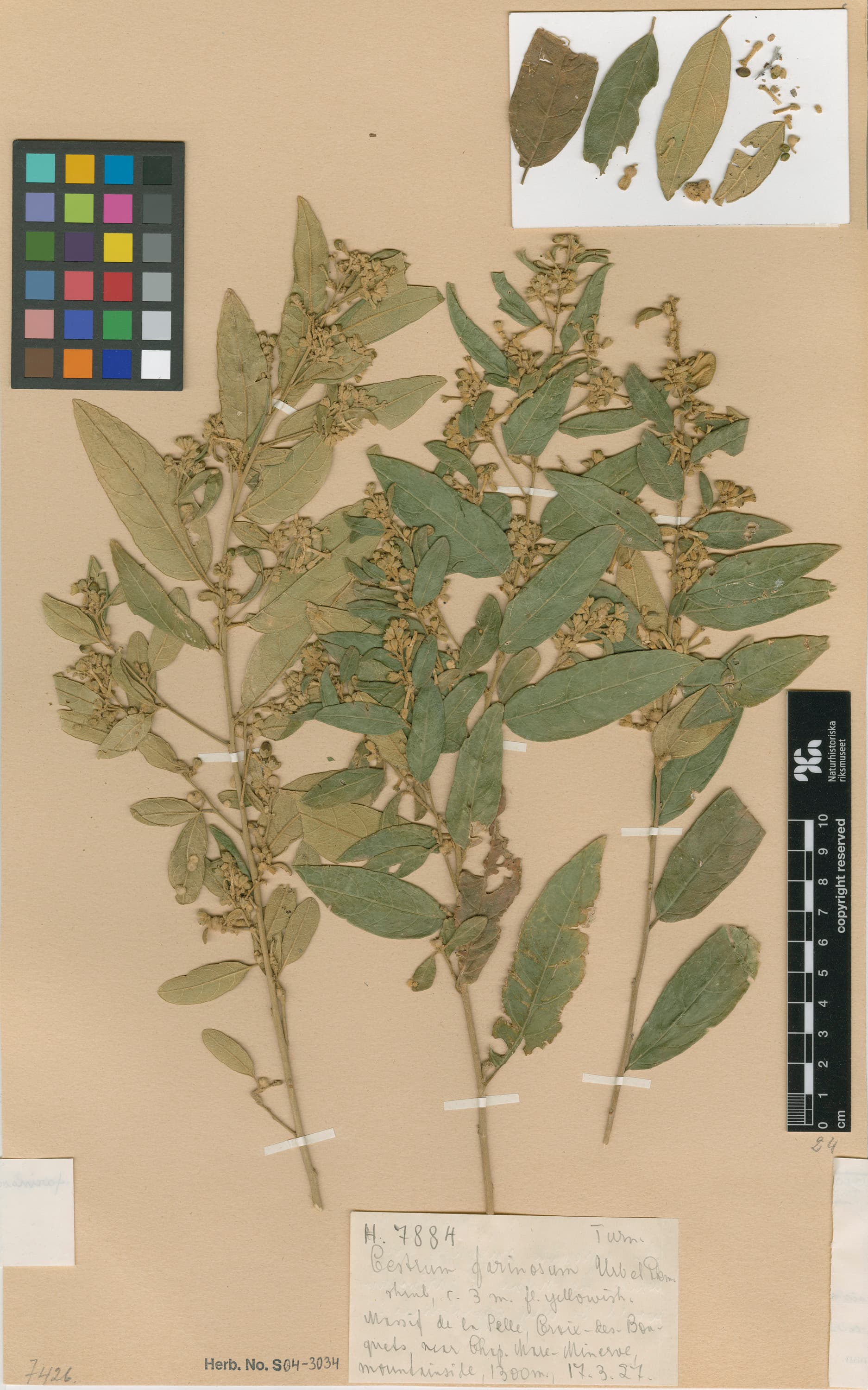
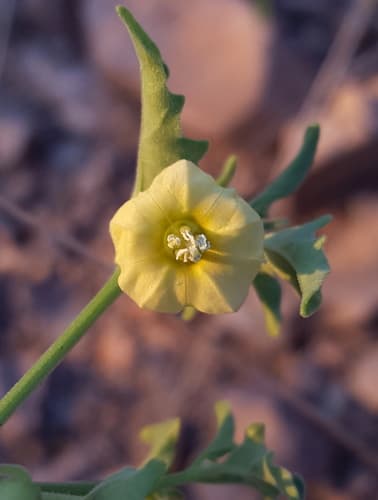
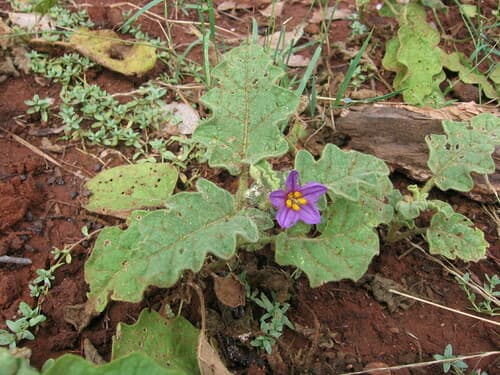
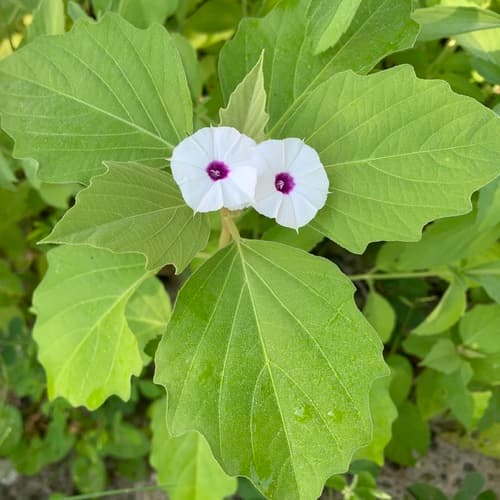
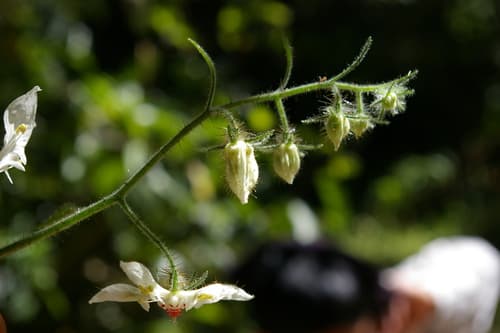
Nasa laxa is an herbaceous plant characterized by its stems and leaves covered in prominent stinging hairs (glochids). It produces delicate white, often somewhat irregular flowers, followed by capsule-like fruits.