Shrubby Nightshade
NameShrubby Nightshade
Scientific NameSolanum torvum
Common NamesTurkey Berry, Devil's Fig, Susumber, Prickly Nightshade, Fever Berry
Plant FamilySolanaceae
Natural HabitatNative to Central and South America, but widely naturalized in tropical and subtropical regions worldwide. It thrives in disturbed areas, roadsides, forest clearings, and agricultural lands.
Parts Usedleaf,fruit,root,whole_plant
Medicinal Actionsanti-inflammatory, antimicrobial, antioxidant, diuretic, analgesic
Traditional UsesTraditionally used for treating colds, coughs, skin infections, wounds, and gastrointestinal issues. The fruits are consumed for their nutritional value and believed to aid digestion, while leaf extracts are used for their anti-inflammatory and antimicrobial properties. In some cultures, it's used for hypertension and diabetes.
Active ConstituentsSteroidal glycoalkaloids, solasodine, solamargine, solasonine, flavonoids, saponins, phenolic compounds
Preparation Methodsinfusion, decoction, poultice, powder
Contraindications & WarningsDue to the presence of glycoalkaloids, consumption of unripe fruits or large quantities of other plant parts can be toxic. Pregnant and breastfeeding women, and individuals with nightshade allergies should avoid it. May interact with medications affecting blood pressure or blood sugar.
Cultivation NotesGrows well in full sun to partial shade in well-drained soil. It is a hardy and fast-growing plant, often considered weedy in tropical climates. Propagated by seeds.
Raritycommon
Description
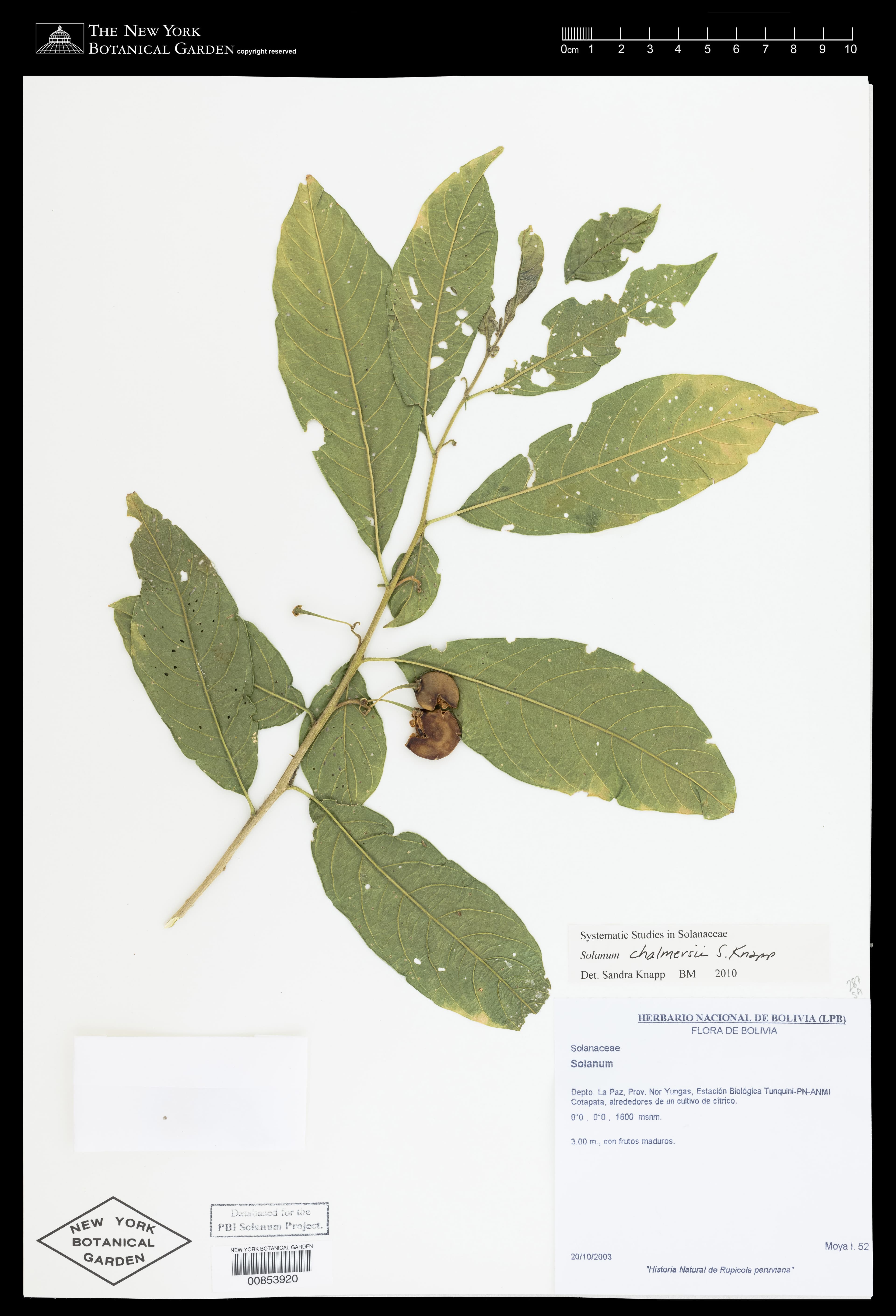
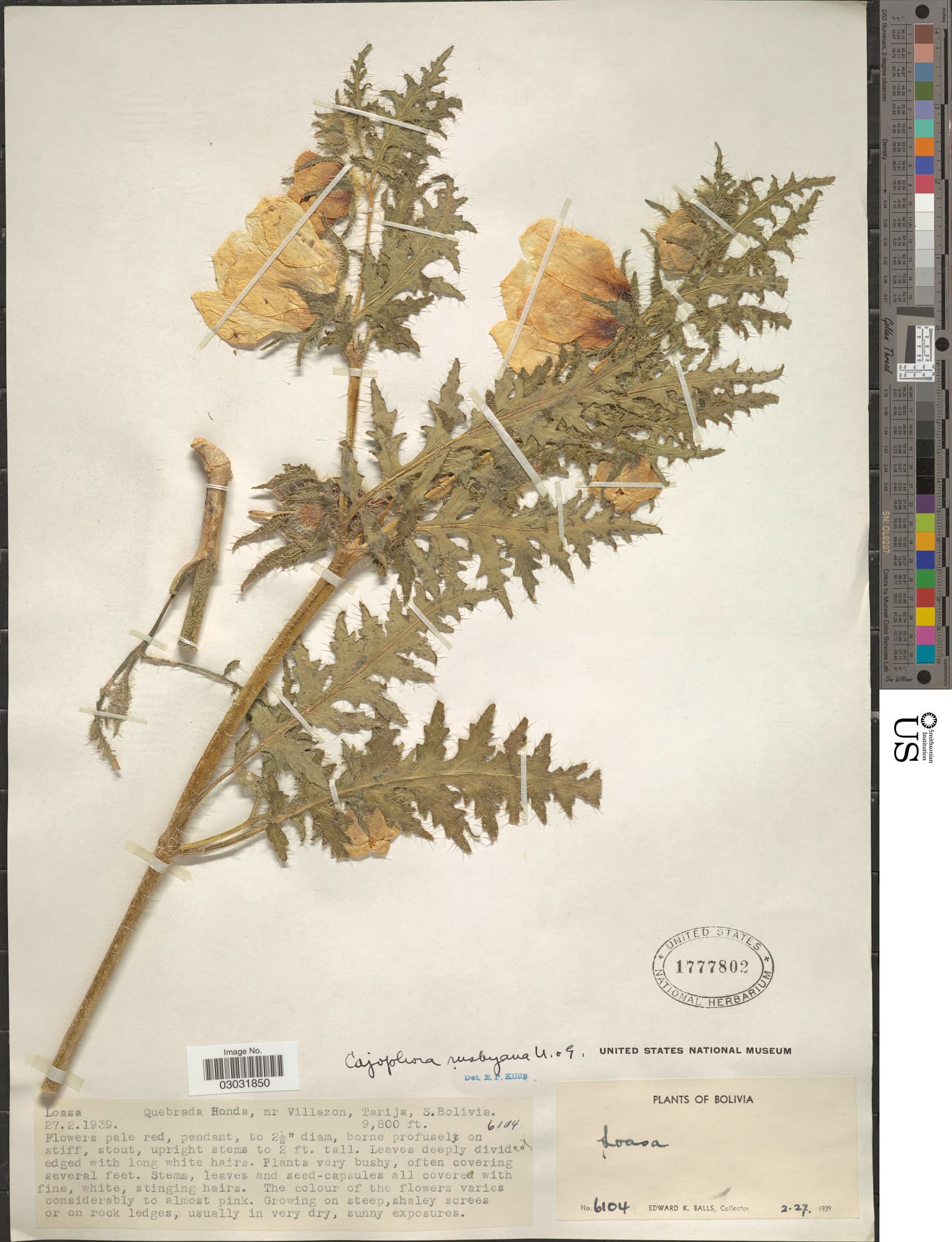
A thorny, perennial shrub growing up to 2-3 meters tall, characterized by large, lobed, grayish-green leaves covered in stellate hairs and armed with sharp spines. It produces clusters of small white flowers with prominent yellow anthers, followed by green berries that ripen to yellow.