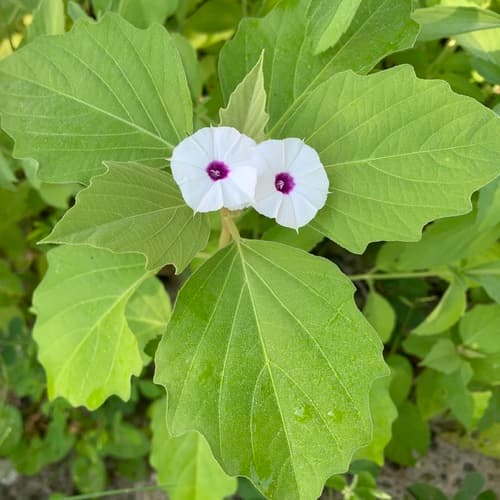
Astripomoea lachnosperma
NameAstripomoea lachnosperma
Scientific NameAstripomoea lachnosperma
Common NamesHairy-seeded Morning Glory
Plant FamilyConvolvulaceae
Natural HabitatNative to tropical and subtropical Africa, commonly found in grasslands, open woodlands, savannas, and disturbed areas like roadsides and cultivated fields.
Parts Usedleaf,root,whole_plant
Medicinal Actionsanti-inflammatory, antimicrobial
Traditional UsesIn traditional African medicine, species of Astripomoea, including A. lachnosperma, have been used for treating various ailments. Specifically, the leaves or whole plant are sometimes applied topically for wounds and skin infections, while roots may be used internally for gastrointestinal issues, though specific documentation for A. lachnosperma is limited.
Active Constituentsresin glycosides, flavonoids
Preparation Methodspoultice, decoction, infusion
Contraindications & WarningsDue to potential purgative effects from related species, caution is advised for pregnant or nursing women, young children, and individuals with gastrointestinal disorders. Excessive internal use may lead to dehydration and electrolyte imbalance.
Cultivation NotesThis plant thrives in warm, tropical to subtropical climates with full sun to partial shade and well-drained soil. It can be quite vigorous and may require management to prevent it from becoming weedy in cultivated areas.
Raritycommon
Description
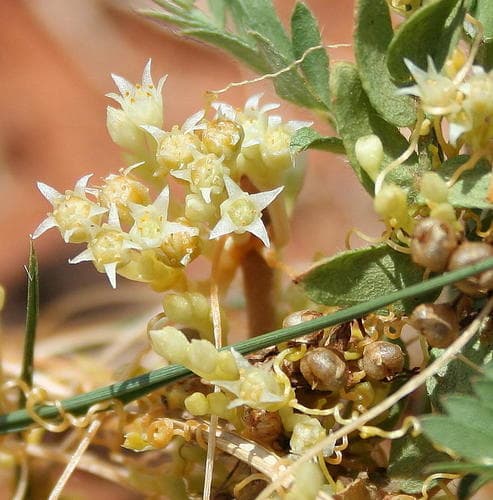
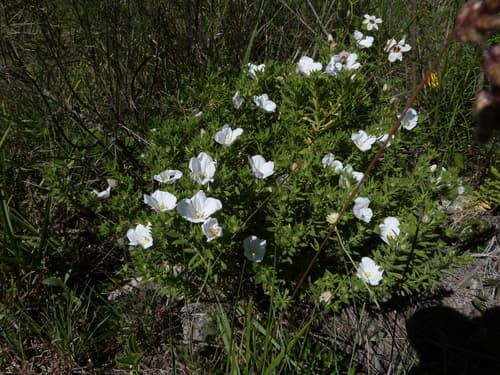
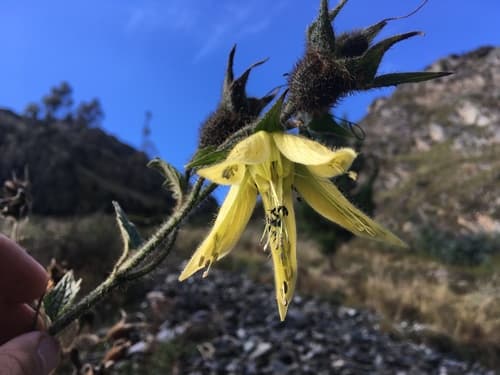
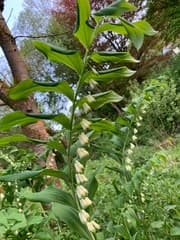
A perennial herb or subshrub, often sprawling or climbing, characterized by large, ovate to cordate leaves with slightly wavy margins. It produces distinctive white, funnel-shaped flowers with a prominent purple center, typically appearing solitary or in small clusters in leaf axils.