Fendler's Groundcherry
NameFendler's Groundcherry
Scientific NamePhysalis fendleri
Common NamesFendler's Groundcherry, Fendler's Husk Tomato
Plant FamilySolanaceae
Natural HabitatNative to the southwestern United States and northern Mexico, it typically grows in dry, rocky soils, open woodlands, pinyon-juniper forests, and desert scrublands, often at moderate elevations.
Parts Usedfruit,leaf,root
Medicinal Actionsanti-inflammatory, antioxidant, diuretic, analgesic
Traditional UsesTraditionally, indigenous peoples of the Southwest have used Fendler's Groundcherry. The ripe fruits were consumed, while preparations from the leaves or roots were used for fevers, pain relief, and inflammatory conditions. Some tribes also utilized it for kidney ailments or as a general tonic.
Active Constituentsphysalins, withanolides, flavonoids, carotenoids
Preparation Methodsinfusion, decoction, powder
Contraindications & WarningsUnripe fruits of *Physalis* species can contain solanine-like alkaloids and should not be consumed. Pregnant or breastfeeding individuals should exercise caution and consult a healthcare professional before using for medicinal purposes.
Cultivation NotesThis plant thrives in full sun to partial shade and requires well-drained soil. It is drought-tolerant once established and can be propagated from seed, being a hardy perennial in its native range.
Raritycommon
Description
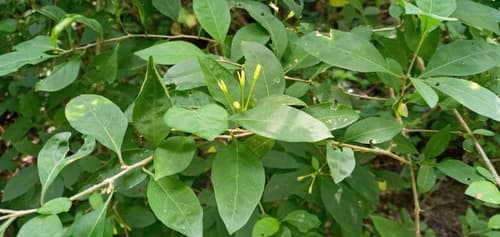
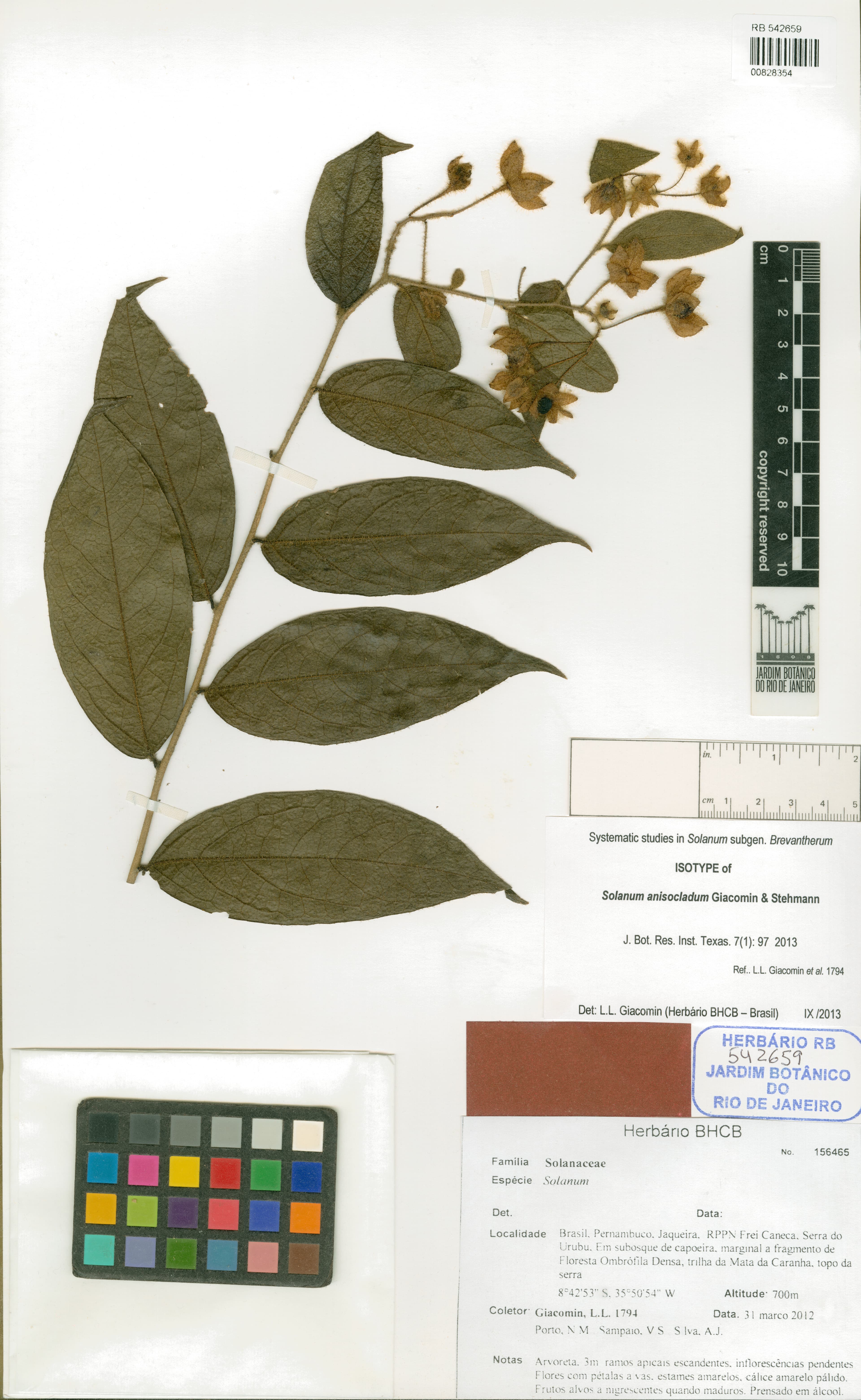
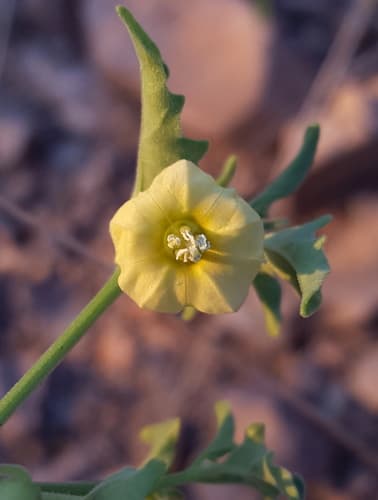
Fendler's Groundcherry is a perennial herbaceous plant featuring pale yellow, bell-shaped flowers with a distinctive white center, often appearing solitary in leaf axils. It is known for its developing fruit encased within an inflated, papery calyx, resembling a small lantern.