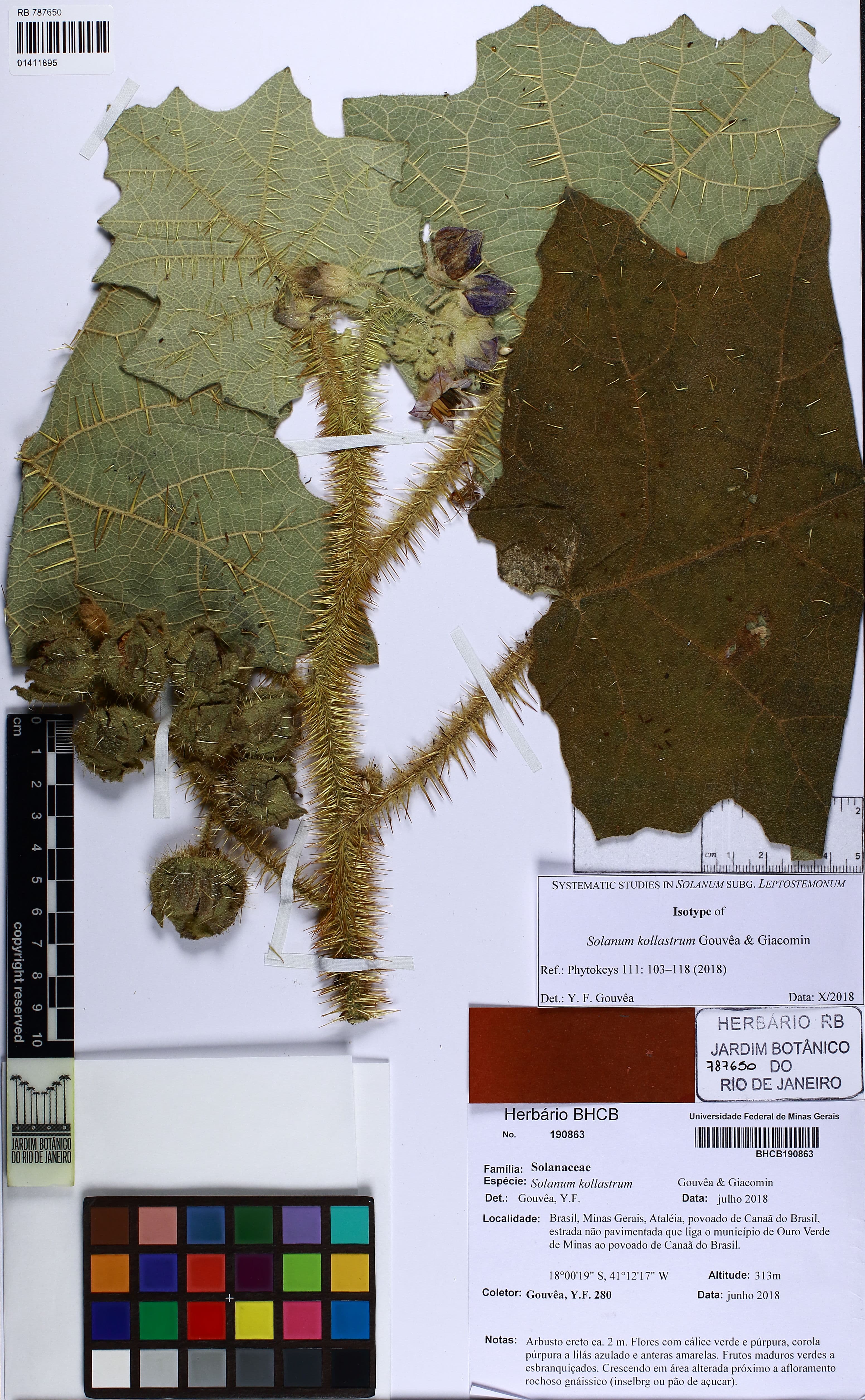
Desert Nightshade
NameDesert Nightshade
Scientific NameSolanum eremophilum
Common NamesDesert Nightshade, Potato Bush
Plant FamilySolanaceae
Natural HabitatNative to arid and semi-arid regions of Western Australia, it thrives in sandy or gravelly soils, often found in mulga woodlands and shrublands.
Parts Usedfruit,leaf
Medicinal Actionsanti-inflammatory, antimicrobial, analgesic
Traditional UsesTraditionally, the ripe fruits of Solanum eremophilum were consumed by Aboriginal people as a food source. While specific medicinal uses are less documented than for other Solanum species, leaves may have been used externally for skin conditions or minor aches, leveraging the general anti-inflammatory and analgesic properties found in the genus.
Active Constituentssteroidal glycoalkaloids
Preparation Methodspoultice
Contraindications & WarningsAll parts of Solanum eremophilum, especially unripe fruits and leaves, contain toxic steroidal glycoalkaloids. Ingestion can cause severe gastrointestinal upset and neurological symptoms. Ripe fruits are traditionally eaten by some Indigenous groups, but caution is advised, and internal use is generally not recommended without expert guidance.
Cultivation NotesThis drought-tolerant plant prefers full sun and well-drained soils. It is suitable for arid garden landscapes and can be propagated from seed.
Raritycommon
Description
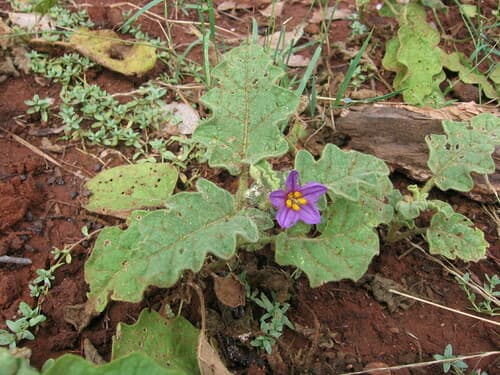
Solanum eremophilum is a small, erect to spreading shrub, typically growing up to 1.5 meters tall. It features grey-green, often hairy, deeply lobed leaves and star-shaped purple flowers with prominent yellow anthers, followed by yellow to orange berries.