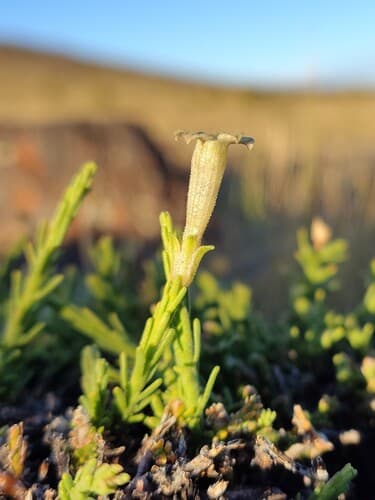
Fabiana foliosa
NameFabiana foliosa
Scientific NameFabiana foliosa
Common NamesPichi, Fabiana
Plant FamilySolanaceae
Natural HabitatNative to the high-altitude arid and semi-arid regions of the Andes in Argentina and Chile, typically found in puna and steppe environments on rocky slopes.
Parts Usedleaf,stem
Medicinal Actionsdiuretic, anti-inflammatory, antimicrobial, antioxidant
Traditional UsesTraditionally used in Andean folk medicine primarily as a diuretic for urinary tract infections, kidney stones, and bladder issues. It has also been employed for digestive complaints and as a general tonic.
Active Constituentsflavonoids, coumarins, alkaloids, phenolic acids
Preparation Methodsinfusion, decoction, tincture, powder
Contraindications & WarningsCaution is advised for individuals with kidney disease or electrolyte imbalances due to its diuretic effects. Not recommended for pregnant or breastfeeding women, and may interact with diuretic or blood pressure medications.
Cultivation NotesRequires full sun and extremely well-drained, sandy or rocky soil. It is drought-tolerant once established and prefers cool, dry climates, making it challenging to cultivate in humid or temperate regions.
Rarityuncommon
Description
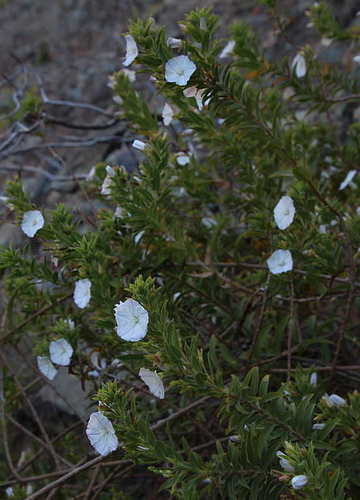
A low-growing, compact shrub characterized by numerous erect, slender stems densely covered with small, scale-like, imbricate leaves. It produces solitary, tubular, pale greenish-yellow flowers emerging from the upper leaf axils.