Convolvulus fruticulosus
NameConvolvulus fruticulosus
Scientific NameConvolvulus fruticulosus
Common NamesShrubby Bindweed, Bush Bindweed
Plant FamilyConvolvulaceae
Natural HabitatNative to arid and semi-arid regions of Central Asia, Siberia, and Eastern Europe, thriving in steppes, dry grasslands, rocky slopes, and sandy areas.
Parts Usedwhole_plant,root
Medicinal Actionsdiuretic, astringent
Traditional UsesWhile specific traditional uses for Convolvulus fruticulosus are not widely documented, other species within the Convolvulus genus have historically been used as strong purgatives and laxatives. Some traditional medicine systems might employ related species for conditions requiring detoxification or as diuretics, though caution is always advised due to potential toxicity.
Active ConstituentsResin glycosides
Preparation Methodsdecoction, powder
Contraindications & WarningsDue to the presence of strong purgative compounds in the genus, Convolvulus species are generally contraindicated during pregnancy, breastfeeding, in cases of intestinal obstruction, severe gastrointestinal inflammation, and dehydration. Use in young children is also not recommended.
Cultivation NotesThis plant prefers full sun and well-drained, sandy or rocky soils. It is highly drought-tolerant once established and requires minimal watering, making it suitable for xeriscaping in dry climates.
Raritycommon
Description
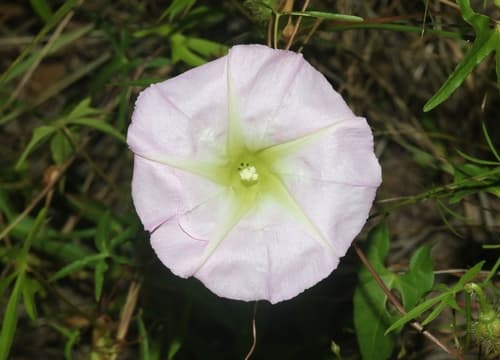
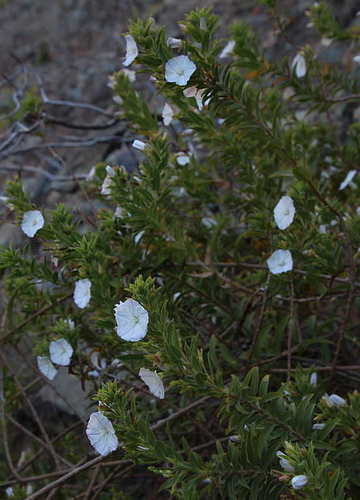
A low-growing, woody perennial shrub characterized by its dense, linear to narrowly lanceolate leaves and numerous small, white to pale pink, funnel-shaped flowers. It typically forms a compact, bushy habit, reaching heights of 30-60 cm.