Sonoita Nightshade
NameSonoita Nightshade
Scientific NameSolanum americanum
Common NamesSonoita Nightshade, American Black Nightshade, Glossy Nightshade, Small-flowered Nightshade
Plant FamilySolanaceae
Natural HabitatThis plant is commonly found in disturbed areas, fields, gardens, roadsides, and open woodlands, often thriving in moist, fertile soils. It is widespread in tropical and subtropical regions globally, including the southwestern United States.
Parts Usedleaf,fruit,whole_plant
Medicinal Actionsanti-inflammatory, antioxidant, analgesic, antimicrobial
Traditional UsesTraditionally, the leaves and ripe fruits have been used in various cultures. Leaves are sometimes used externally as poultices for skin conditions, inflammation, and pain. Internally, ripe berries have been consumed in moderation, and extracts used for fevers, pain, and as a general tonic, though with significant caution due to potential toxicity.
Active ConstituentsSolanine, Solamargine, Solasonine, Saponins, Flavonoids, Phenolic compounds
Preparation Methodsinfusion, poultice, decoction, powder
Contraindications & WarningsAll parts of the plant, especially unripe berries and leaves, contain toxic glycoalkaloids (solanine). Ingestion can cause nausea, vomiting, diarrhea, abdominal pain, headache, and in severe cases, neurological symptoms. Pregnant and breastfeeding women should avoid use. Individuals with pre-existing liver or kidney conditions should also avoid. Interactions with medications are possible due to alkaloid content.
Cultivation NotesGrows easily from seed in a variety of soils, preferring full sun to partial shade and moderate moisture. It can be considered a weed in many agricultural settings and is generally not cultivated intentionally for medicinal purposes due to its toxicity.
Raritycommon
Description
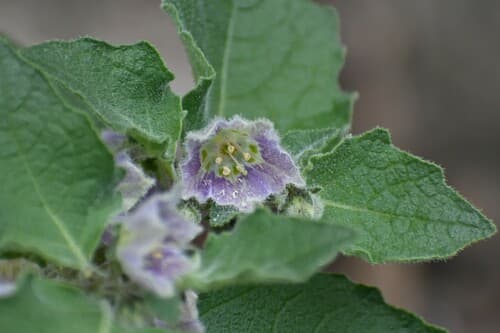
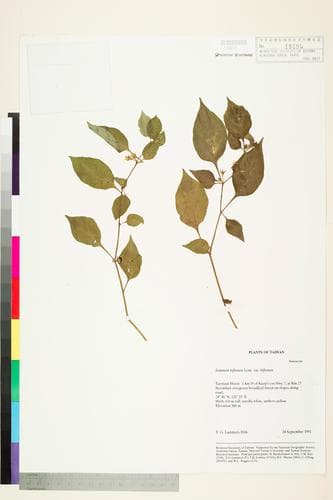
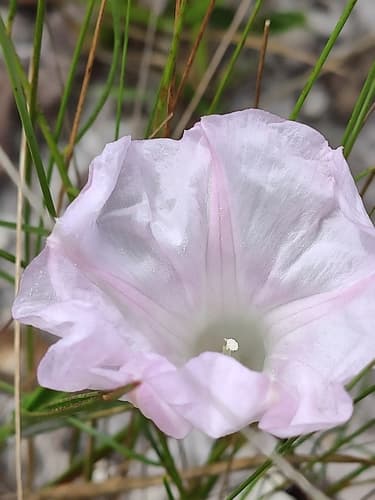
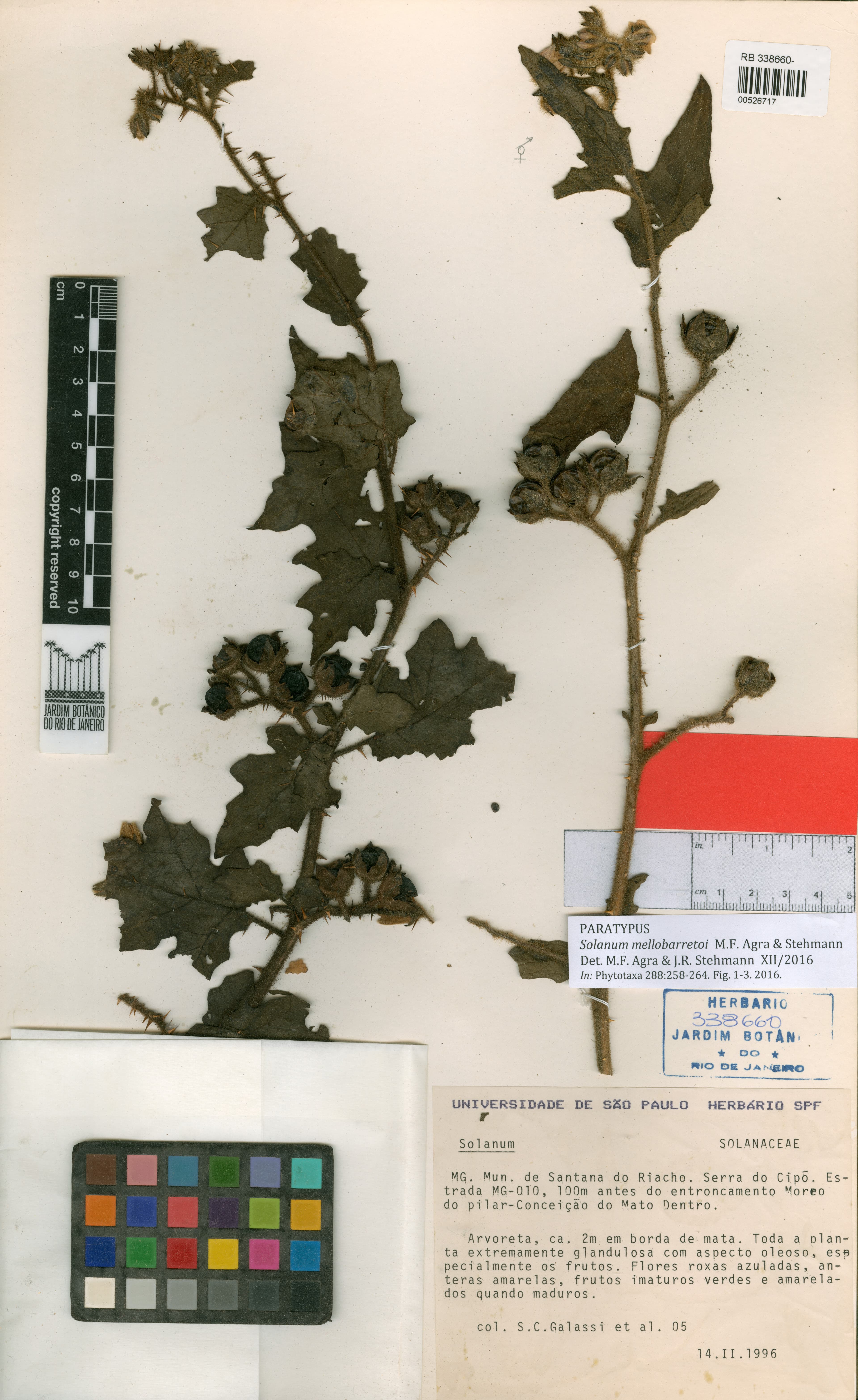
Sonoita Nightshade is an annual or short-lived perennial herb, typically growing up to 1 meter tall. It features ovate to lanceolate leaves, small white flowers with prominent yellow anthers arranged in clusters, and hairy stems and leaves.