Solanum fernandesii
NameSolanum fernandesii
Scientific NameSolanum fernandesii
Common NamesFernandes' Nightshade, Nightshade
Plant FamilySolanaceae
Natural HabitatNative to South America, particularly Brazil, where it grows in disturbed areas, roadsides, agricultural fields, and open grasslands. It is adaptable to various soil types but prefers well-drained conditions.
Parts Usedleaf,whole_plant
Medicinal Actionsanti-inflammatory, analgesic, antimicrobial
Traditional UsesTraditionally, various Solanum species are used for their anti-inflammatory and analgesic properties, often applied externally as poultices for skin conditions, wounds, and joint pain. Internally, some species are used cautiously for fevers and pain, though toxicity is a significant concern.
Active Constituentssteroidal glycoalkaloids, flavonoids, saponins
Preparation Methodsinfusion, poultice
Contraindications & WarningsDue to the presence of potentially toxic steroidal glycoalkaloids, Solanum fernandesii should be used with extreme caution. Contraindicated in pregnancy, lactation, children, and individuals with liver or kidney disease. May interact with medications. Internal use is generally not recommended without expert supervision.
Cultivation NotesThis species is likely easy to cultivate from seed, preferring full sun to partial shade and well-drained soil. It is often found as a weed in disturbed habitats, indicating its resilience and adaptability.
Rarityuncommon
Description
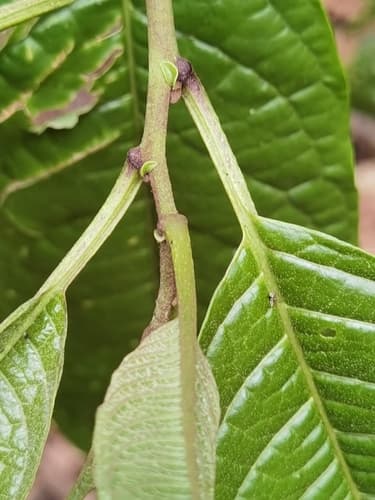
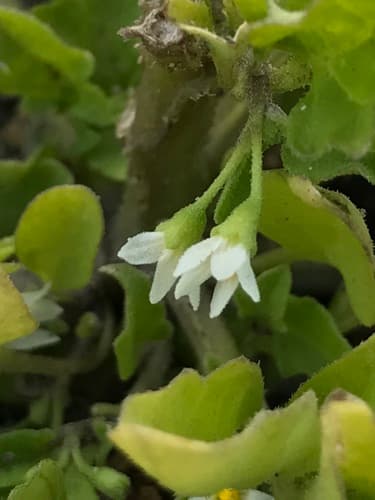
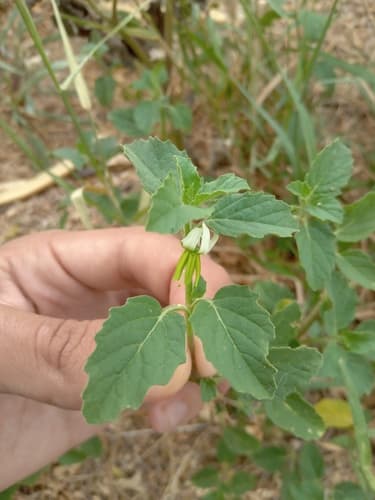
Solanum fernandesii is a herbaceous plant, typically annual or short-lived perennial, characterized by ovate to deltoid leaves with crenate or undulate margins. It produces small, white, star-shaped flowers with prominent yellow anthers, usually solitary or in small cymes in the leaf axils, followed by small, globose berries.