Indian snakeroot
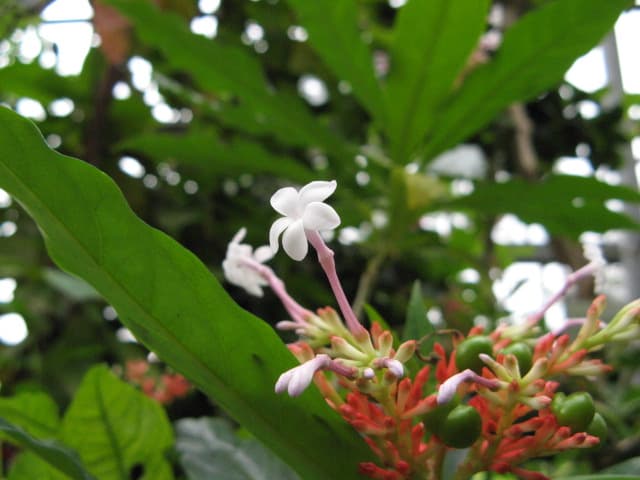
Image: Pieria(Uploader and Photographer) (Public domain)
NameIndian snakeroot
Scientific NameRauvolfia serpentina
Common NamesIndian snakeroot, Sarpagandha, Chandra, Devil Pepper
Plant FamilyApocynaceae
Natural HabitatNative to the Indian subcontinent and East Asia, it thrives in moist, shady forests, particularly in the Himalayan foothills and plains. It prefers tropical and subtropical regions with well-drained soil.
Parts Usedroot,leaf
Medicinal Actionssedative, nervine, anti-inflammatory, analgesic
Traditional UsesTraditionally used in Ayurvedic medicine for centuries to treat hypertension, insomnia, anxiety, and various mental disorders. It was also employed for snake bites, fever, abdominal pain, and as a uterine stimulant during childbirth.
Active ConstituentsReserpine, Ajmaline, Serpentine, Yohimbine, Rauwolfine
Preparation Methodsdecoction, powder, tincture
Contraindications & WarningsContraindicated in pregnancy, breastfeeding, depression, peptic ulcers, ulcerative colitis, and pheochromocytoma. It can interact with central nervous system depressants, cardiac medications, and MAO inhibitors, and should be used with extreme caution under professional guidance due to potent alkaloids.
Cultivation NotesPrefers warm, humid climates with partial shade and well-drained, fertile soil. Propagation is typically by seeds or root cuttings, requiring consistent moisture and protection from direct, harsh sunlight.
Rarityrare
Description
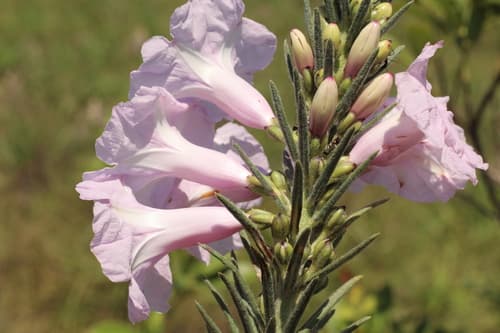
Indian snakeroot is a perennial shrub characterized by its glossy, dark green leaves arranged in whorls. It produces clusters of small, white to pinkish flowers, as seen in the image, which develop into small, dark purplish-black drupes. The plant typically grows to about 0.5 to 1 meter in height.