Centaury
NameCentaury
Scientific NameCentaurium erythraea
Common NamesCentaury, Common Centaury, European Centaury, Feverwort, Bitter Herb, Rhodian Centaury
Plant FamilyGentianaceae
Natural HabitatCommonly found in dry grasslands, meadows, open woodlands, heathlands, and disturbed ground, preferring calcareous or neutral soils. It is native to Europe, North Africa, and parts of western Asia.
Parts Usedwhole_plant,leaf,flower
Medicinal Actionsanti-inflammatory, antimicrobial, antioxidant, astringent, carminative, diuretic
Traditional UsesTraditionally used as a bitter tonic to stimulate appetite and digestion, treat dyspepsia, bloating, and other digestive complaints. It has also been employed for fevers, liver and gallbladder issues, and as a general detoxifier due to its bitter principles.
Active ConstituentsSecoiridoid glycosides, Gentiopicrin, Centapicrin, Swertiamarin, Flavonoids, Phenolic acids
Preparation Methodsinfusion, tincture, powder
Contraindications & WarningsCentaury should be avoided by individuals with gastric ulcers, hyperacidity, or gallstones. It is also contraindicated during pregnancy and breastfeeding. May interact with antacids or medications that reduce stomach acid.
Cultivation NotesPrefers full sun to partial shade and well-drained, calcareous or neutral soil. It can be propagated from seed and often self-seeds readily in suitable conditions. As an annual or biennial, it completes its life cycle within one or two years.
Raritycommon
Description
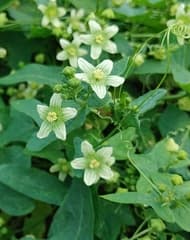
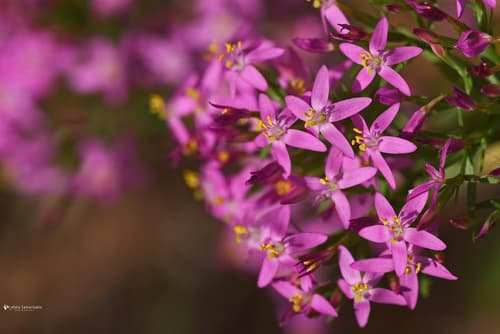
Centaurium erythraea is an erect annual or biennial herb, typically growing 10-50 cm tall, characterized by a basal rosette of ovate leaves and square stems bearing opposite, sessile leaves. It produces terminal cymes of numerous small, star-shaped, bright pink to purplish-pink flowers, each with five petals and prominent yellow anthers, blooming from summer to early autumn.