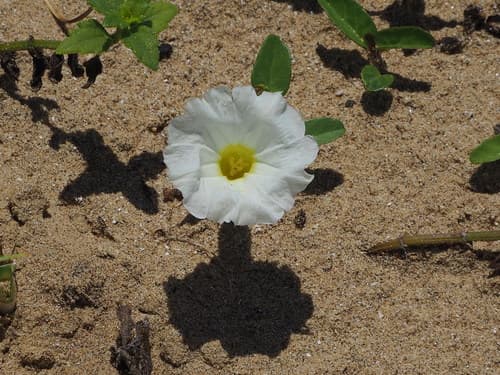
beach morning-glory
Namebeach morning-glory
Scientific NameIpomoea pes-caprae
Common NamesBeach Morning Glory, Goat's Foot, Bayhops, Railroad Vine
Plant FamilyConvolvulaceae
Natural HabitatCoastal dunes, sandy beaches, and other maritime environments in tropical and subtropical regions worldwide, often acting as a pioneer species for sand stabilization.
Parts Usedleaf,root,whole_plant
Medicinal Actionsanalgesic, anti-inflammatory, antimicrobial, astringent, diuretic
Traditional UsesTraditionally used for treating various inflammatory conditions like rheumatism, arthritis, and colic. The leaves are often applied topically as a poultice for wounds, boils, skin rashes, and jellyfish stings, while internal preparations are used as a diuretic and for digestive complaints.
Active ConstituentsFlavonoids, Triterpenes, Steroids, Phenolic compounds
Preparation Methodsinfusion, decoction, poultice, powder
Contraindications & WarningsGenerally considered safe for topical use. Internal use should be approached with caution, especially for pregnant or breastfeeding women, and individuals with gastrointestinal issues due to potential laxative effects or unknown interactions. Consult a healthcare professional before internal use.
Cultivation NotesThrives in full sun and sandy, well-drained soil. It is highly tolerant of salt spray, drought, and high temperatures. Propagates easily from seeds or stem cuttings and is sensitive to frost.
Raritycommon
Description
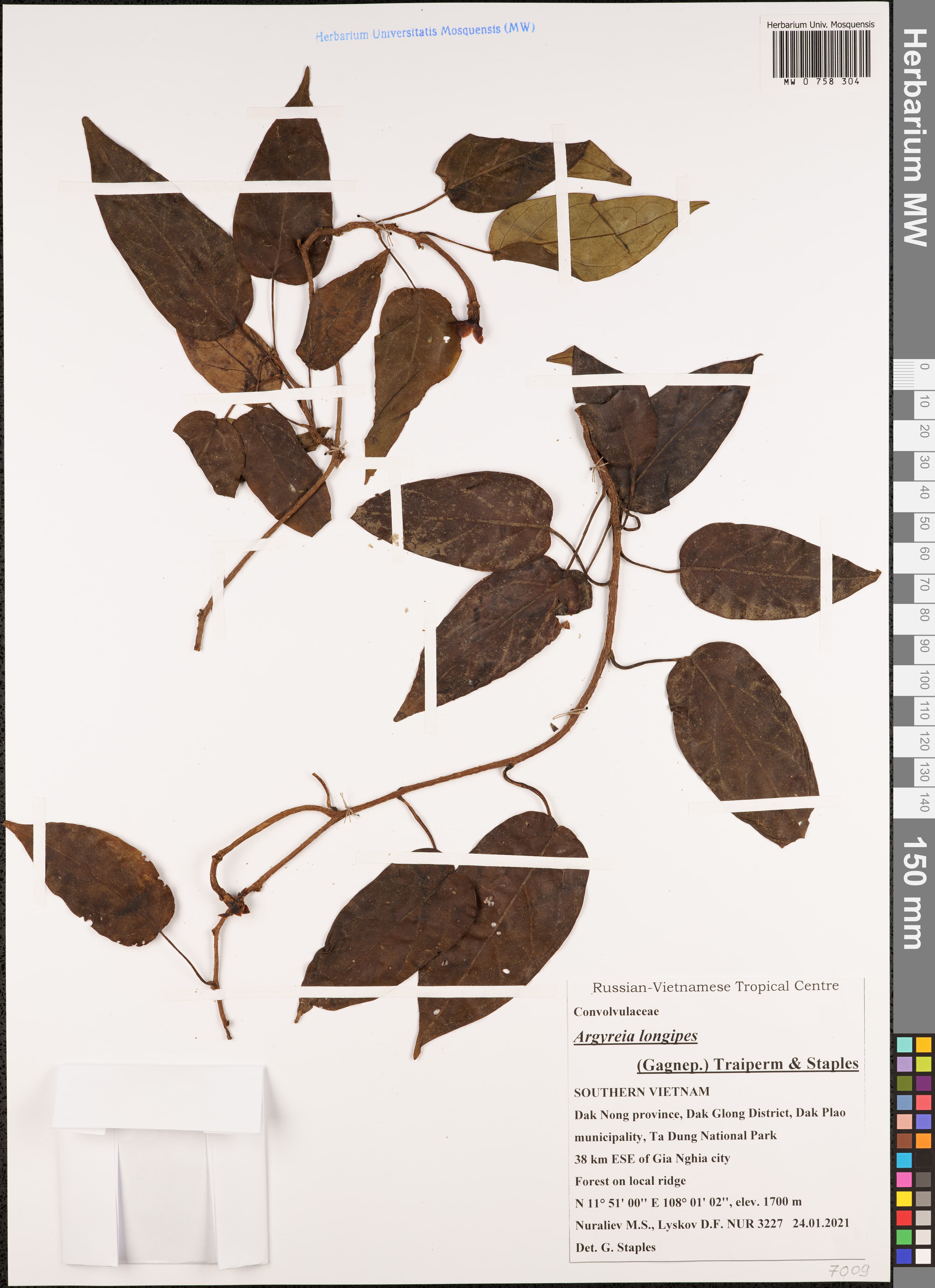
A widespread perennial creeping vine, *Ipomoea pes-caprae* is characterized by its thick, leathery, bilobed or kidney-shaped leaves and showy, funnel-shaped flowers, typically pink-purple but sometimes white. It forms extensive mats over sandy substrates, anchoring itself with adventitious roots along its trailing stems.