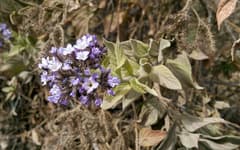
Caiophora arechavaletae
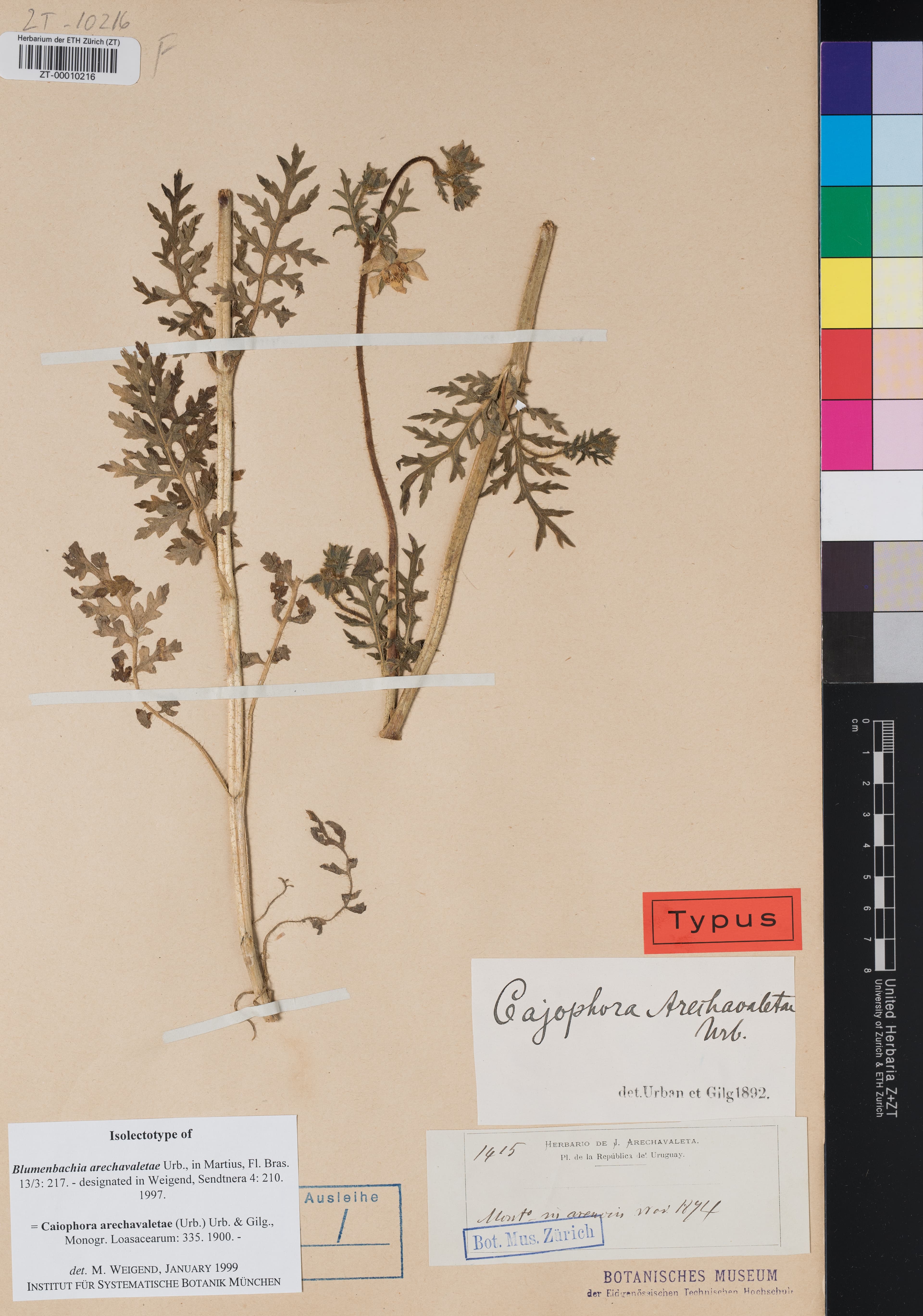
Image: José Arechavaleta y Balpardo (cc-by)
NameCaiophora arechavaletae
Scientific NameCaiophora arechavaletae (Urb.) Urb. & Gilg.
Plant FamilyLoasaceae
Natural HabitatNative to South America, particularly Uruguay and Argentina, where it grows in dry, rocky areas, grasslands, and disturbed soils. It prefers sunny locations.
Parts Usedleaf,whole_plant
Medicinal Actionsanalgesic, anti-inflammatory
Traditional UsesTraditionally, some species within the *Caiophora* genus, including potentially *C. arechavaletae*, have been used topically in South American folk medicine. The stinging hairs are applied to the skin to create a counter-irritant effect, believed to alleviate rheumatic pain and inflammation.
Preparation Methodspoultice
Contraindications & WarningsDue to the presence of stinging hairs, direct contact can cause skin irritation, redness, and pain. Caution should be exercised when handling the plant.
Cultivation NotesPrefers well-drained soil and full sun. Can be propagated by seed. Generally hardy but may require protection from frost in colder climates. Often grown as an ornamental for its unique flowers.
Rarityuncommon
Description
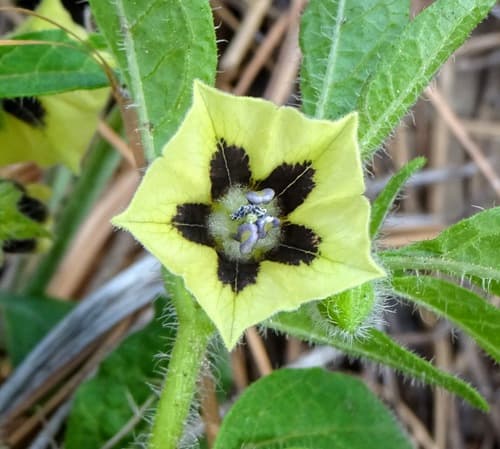
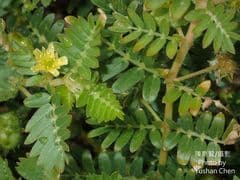
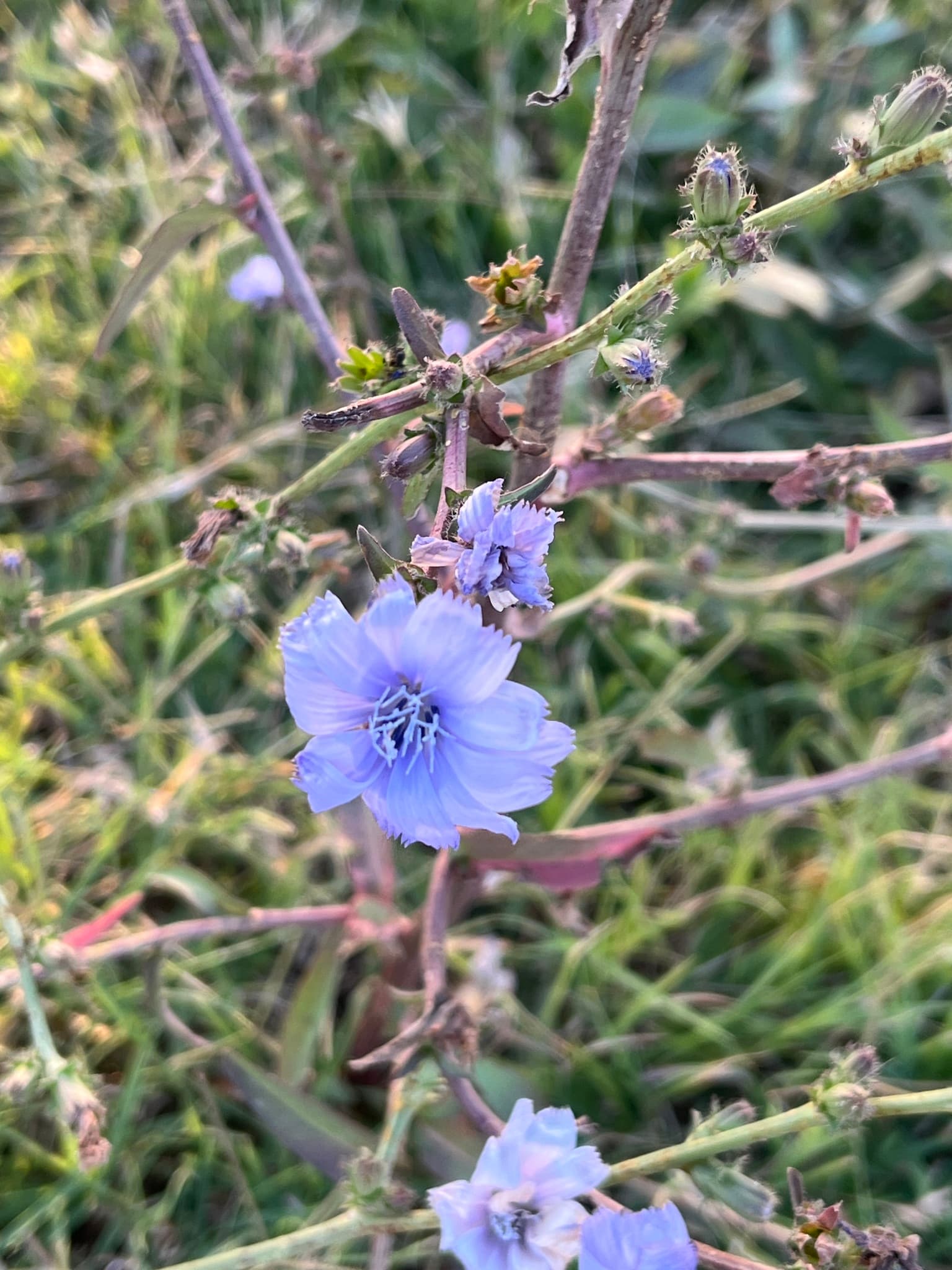
A herbaceous plant characterized by deeply lobed or pinnatisect leaves and stems often covered with stinging hairs. Flowers are typically yellow to orange, borne in terminal or axillary clusters. The specimen shows dried stems, leaves, and remnants of flower/fruit structures.