Heliotrope
NameHeliotrope
Scientific NameHeliotropium arborescens
Common NamesHeliotrope, Cherry Pie, Garden Heliotrope, Common Heliotrope
Plant FamilyBoraginaceae
Natural HabitatNative to Peru, it thrives in warm, sunny climates and well-drained soil. It is widely cultivated in gardens globally, often as an annual in temperate regions.
Parts Usedwhole_plant
Medicinal Actionsdiuretic, anti-inflammatory
Traditional UsesHistorically, some *Heliotropium* species were used externally in poultices for skin ailments or as a diuretic, though specific traditional medicinal uses for *Heliotropium arborescens* are limited and largely superseded by its ornamental value. Due to its toxicity, internal use is strongly discouraged.
Active ConstituentsPyrrolizidine alkaloids
Preparation Methodsinfusion, poultice
Contraindications & WarningsContains pyrrolizidine alkaloids (PAs) which are hepatotoxic and carcinogenic. Internal use is strongly contraindicated and can cause severe liver damage. Not safe for pregnant or breastfeeding women, children, or individuals with liver disease.
Cultivation NotesPrefers full sun to partial shade and well-drained soil. Sensitive to frost, often grown as an annual in cooler climates or as a perennial in USDA zones 9-11. Propagated by seed or cuttings.
Raritycommon
Description
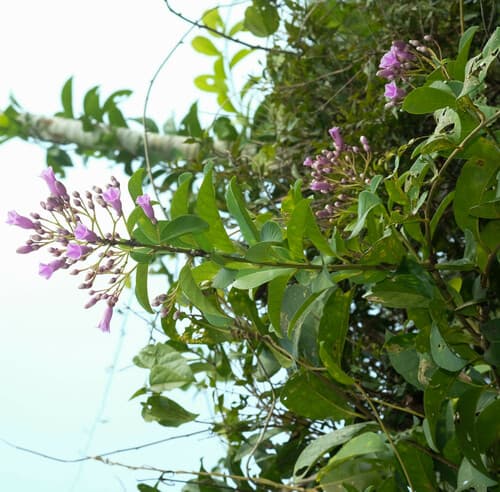
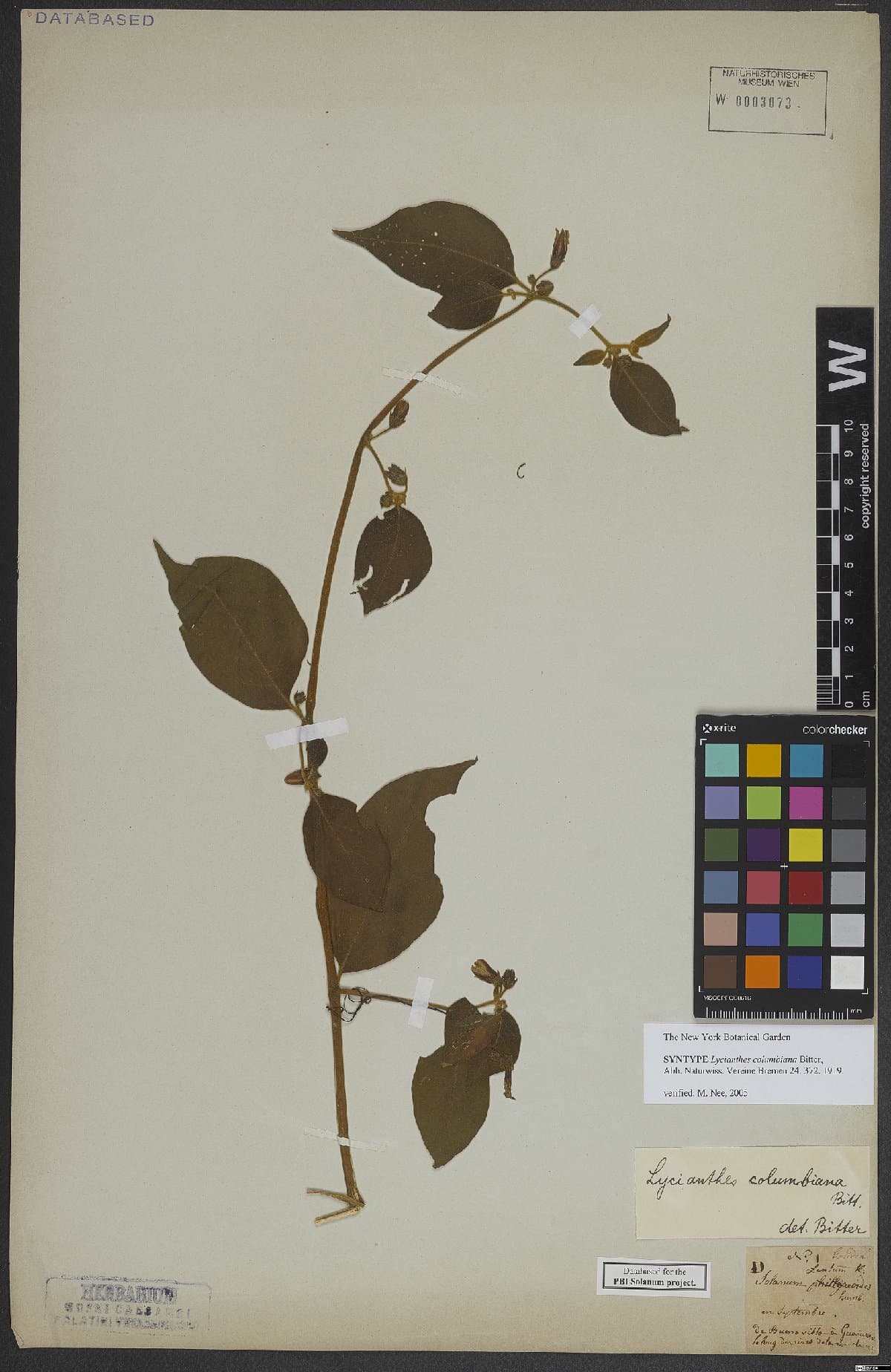
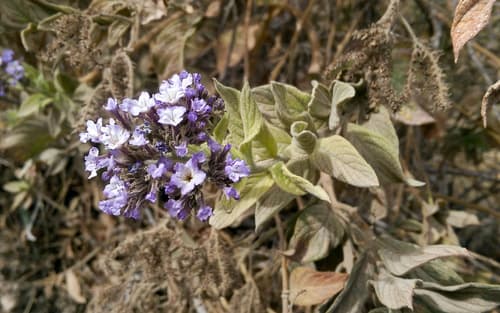
A perennial shrub or subshrub, typically growing to 2-4 feet tall, known for its intensely fragrant clusters of small, deep purple to white flowers. Its leaves are ovate, wrinkled, and often hairy, giving the plant a somewhat fuzzy appearance. It is primarily cultivated as an ornamental for its sweet, vanilla-like scent.