Ipomoea microsepala
NameIpomoea microsepala
Scientific NameIpomoea microsepala
Common NamesSmall-sepaled Morning Glory, Yellow Morning Glory
Plant FamilyConvolvulaceae
Natural HabitatNative to tropical and subtropical regions, including parts of Africa, Asia, and Australia. It thrives in open, disturbed areas, forest edges, grasslands, and along roadsides, preferring well-drained soils and full sun.
Parts Usedleaf,root,whole_plant
Medicinal Actionsanti-inflammatory, antimicrobial, diuretic
Traditional UsesWhile specific traditional uses for Ipomoea microsepala are not extensively documented, other species within the Ipomoea genus are traditionally used for their purgative, anti-inflammatory, and antimicrobial properties, often applied to digestive issues, skin ailments, and to reduce swelling. It is generally considered to share some of these broad characteristics within the genus.
Active Constituentsresin glycosides, flavonoids, phenolic compounds
Preparation Methodsinfusion, decoction, poultice
Contraindications & WarningsDue to potential purgative effects common in the Ipomoea genus, caution is advised. Not recommended for pregnant or breastfeeding women, or individuals with severe gastrointestinal conditions without professional medical advice.
Cultivation NotesThis vine is relatively easy to cultivate from seed or cuttings, preferring full sun to partial shade and well-drained soil. It can be quite vigorous and may become invasive in suitable climates.
Raritycommon
Description
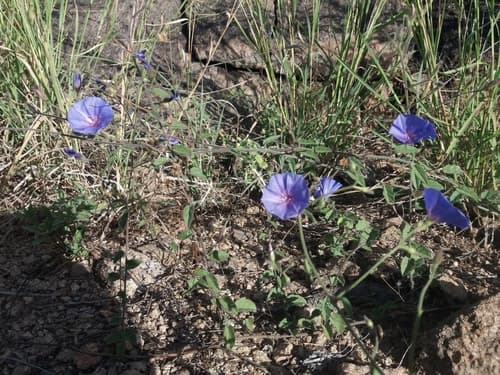
Ipomoea microsepala is a herbaceous climbing vine characterized by its cordate to ovate leaves and vibrant yellow, funnel-shaped flowers. The flowers typically have five fused petals, forming a trumpet-like shape, and are borne in axillary cymes.