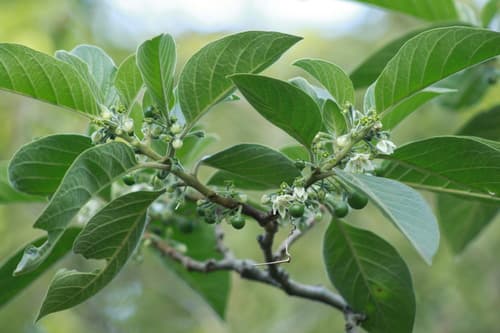
Athenaea velutina
NameAthenaea velutina
Scientific NameAthenaea velutina
Common NamesJoá-de-capote
Plant FamilySolanaceae
Natural HabitatNative to Brazil, this plant is typically found in various forest ecosystems, including remnants of the Atlantic Forest, often growing in the understory or in disturbed areas.
Parts Usedleaf,fruit
Medicinal Actionsanti-inflammatory, analgesic
Traditional UsesIn traditional Brazilian folk medicine, some species within the genus Athenaea, including potentially A. velutina, have been used for their anti-inflammatory and pain-relieving properties. Preparations are often applied topically or consumed as infusions to address various ailments.
Active ConstituentsSteroidal alkaloids, Flavonoids
Preparation Methodsinfusion, poultice
Contraindications & WarningsAs a member of the Solanaceae family, which includes many species with toxic properties, caution is advised. Ingestion of unripe fruits or excessive use may lead to adverse effects; always consult a qualified herbalist or healthcare professional before use.
Cultivation NotesThis plant prefers tropical or subtropical climates with well-drained soil and can tolerate partial to full sun exposure. It can be propagated by seed or stem cuttings.
Rarityuncommon
Description
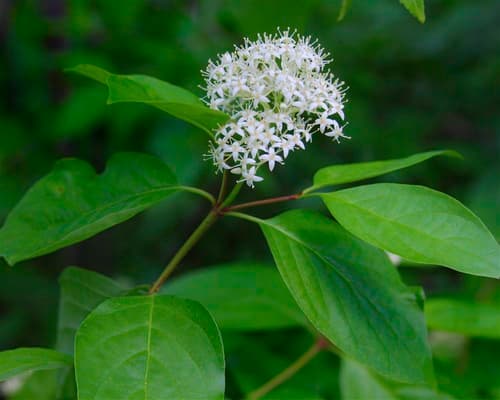
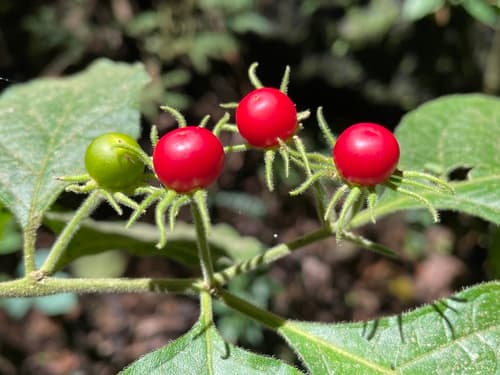
Athenaea velutina is a shrub or small tree characterized by its ovate, often velvety leaves, particularly on the underside. It produces small, white, star-shaped flowers in axillary clusters, which develop into small, spherical green fruits that mature to a reddish-orange color.