Gray Dogwood
NameGray Dogwood
Scientific NameCornus racemosa
Common NamesGray Dogwood, Panicled Dogwood, Racemose Dogwood
Plant FamilyCornaceae
Natural HabitatNative to eastern and central North America, it thrives in a variety of habitats including open woodlands, forest edges, clearings, fields, and along roadsides, preferring moist to dry soils.
Parts Usedbark,root
Medicinal Actionsastringent, anti-inflammatory
Traditional UsesTraditionally, the bark of dogwoods, including species like Gray Dogwood, has been used by Native American tribes as an astringent and febrifuge. It was employed to treat fevers, malaria-like symptoms, and diarrhea, often as a substitute for quinine.
Active ConstituentsTannins
Preparation Methodsdecoction, infusion
Contraindications & WarningsLarge doses may cause nausea or vomiting. Pregnant or breastfeeding women should avoid use.
Cultivation NotesEasily grown in average, medium moisture, well-drained soils in full sun to part shade. It tolerates a wide range of soil conditions, including clay, and is drought tolerant once established.
Raritycommon
Description
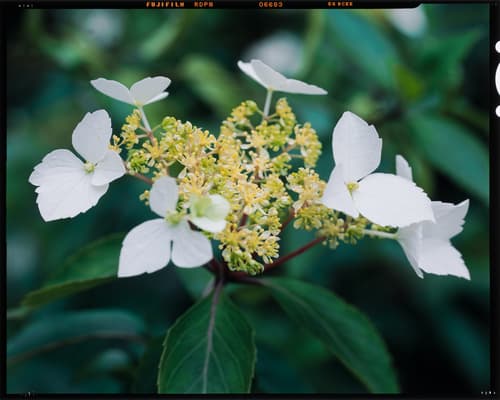
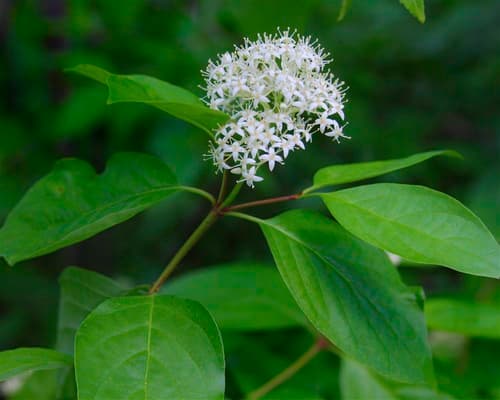
A deciduous shrub or small tree, typically growing 10-15 feet tall, with multiple stems and gray bark. It features simple, opposite, ovate leaves and produces clusters of small, creamy white flowers in late spring to early summer, followed by white berries on red pedicels.