Cestrum hassleri
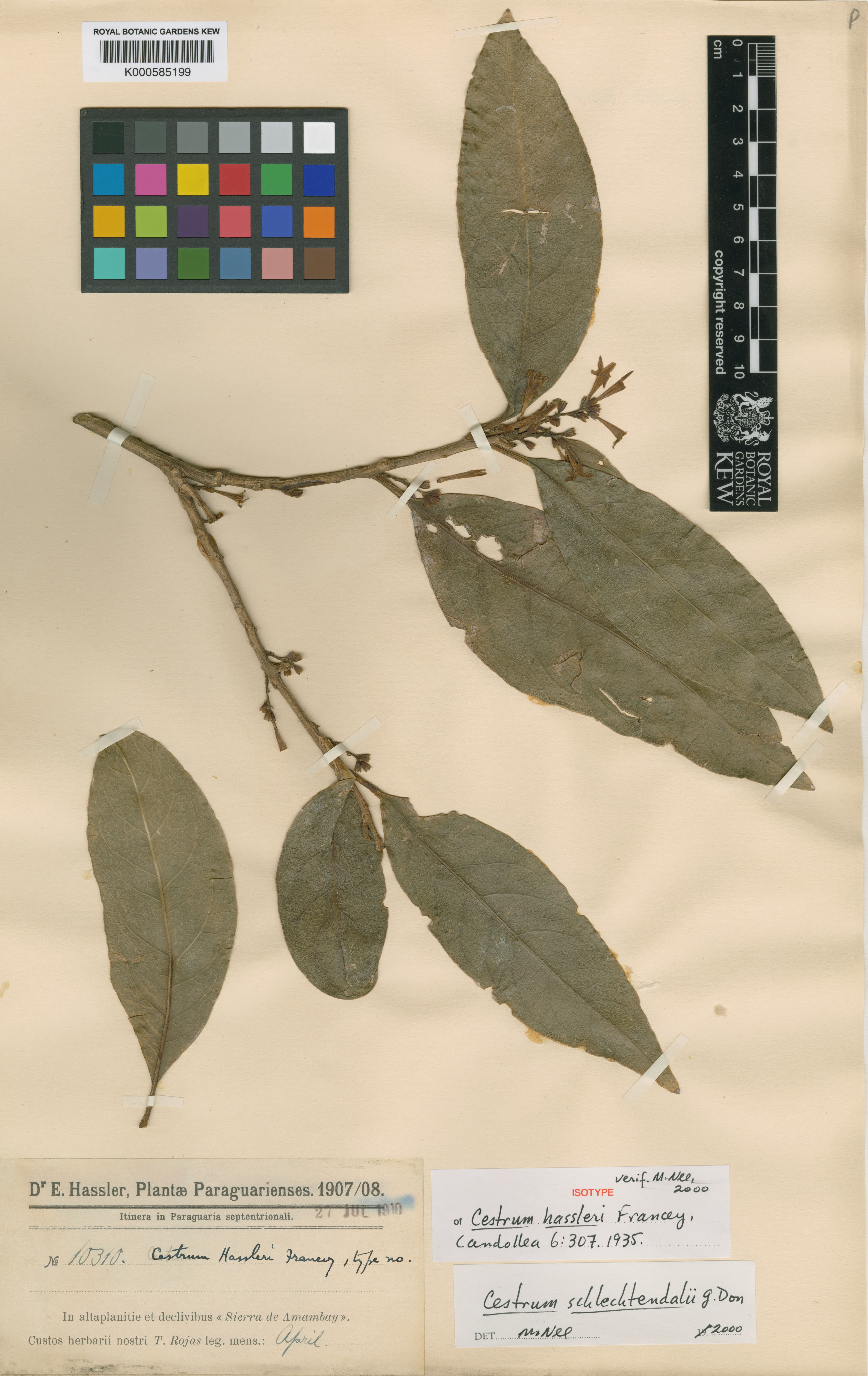
Image: Hassler, E. (cc-by)
NameCestrum hassleri
Scientific NameCestrum hassleri Francey
Plant FamilySolanaceae
Natural HabitatNative to the plateau and slopes of the Sierra de Amambay region in Paraguay, suggesting a preference for tropical to subtropical environments.
Parts Usedleaf,flower,fruit
Medicinal Actionsanalgesic, anti-inflammatory, antimicrobial
Traditional UsesWhile specific traditional uses for Cestrum hassleri are not well-documented, other species within the Cestrum genus have been traditionally used in some cultures for their analgesic, anti-inflammatory, and febrifuge properties. However, the genus is widely recognized for its toxicity, and internal use is generally not recommended without expert guidance.
Active Constituentssteroidal saponins, alkaloids
Preparation Methodsinfusion, decoction, poultice
Contraindications & WarningsAll parts of Cestrum species are generally considered toxic and should not be ingested. Contraindicated in pregnancy, lactation, children, and individuals with liver or kidney conditions. External use should also be approached with extreme caution due to potential skin irritation or absorption.
Cultivation NotesThis species likely thrives in tropical to subtropical climates with well-drained soil, consistent moisture, and partial to full sun, reflecting its native habitat in the Sierra de Amambay.
Rarityuncommon
Description
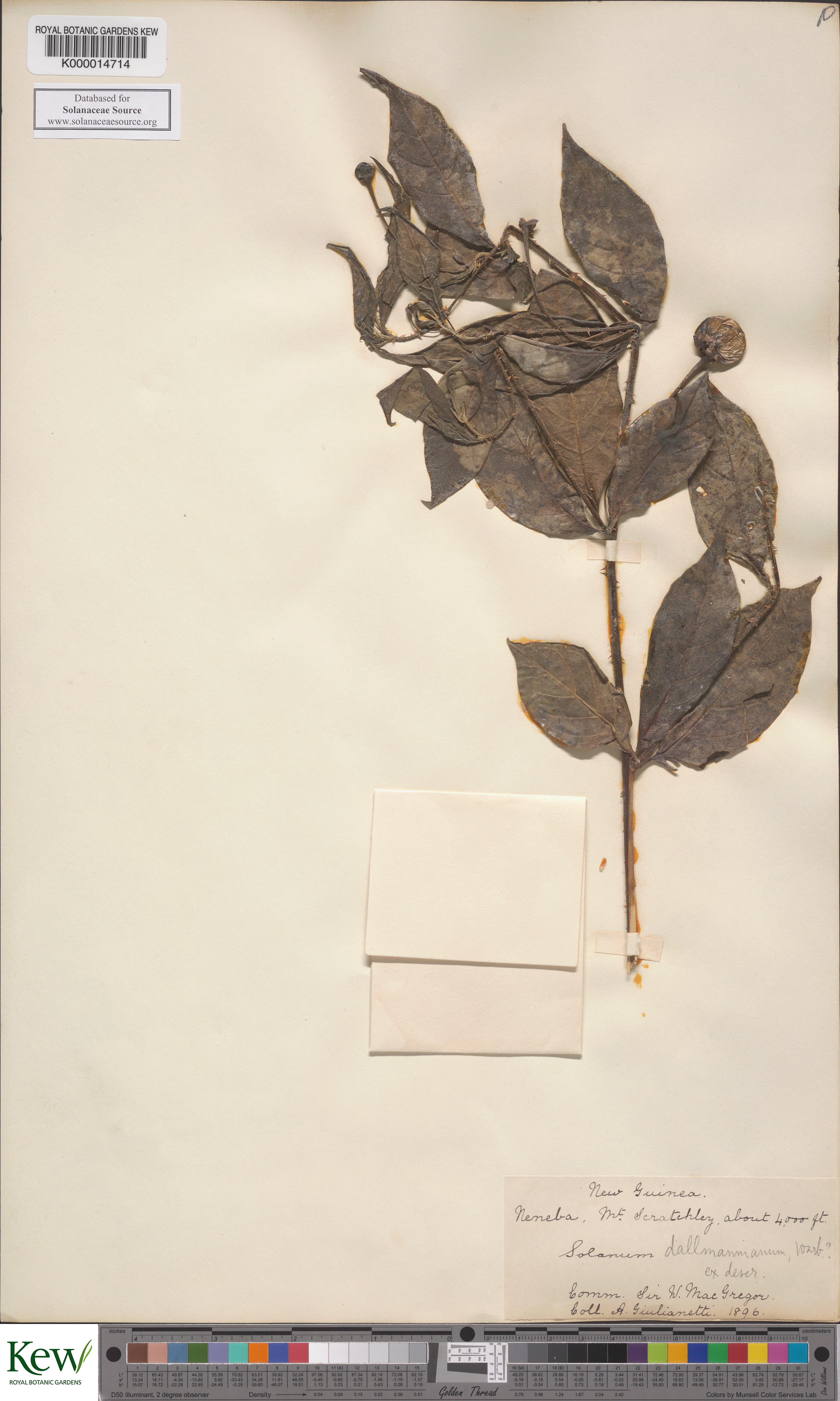
A woody plant specimen featuring simple, alternate, ovate to elliptic leaves with entire margins. The specimen includes stems with what appear to be dried inflorescences or developing fruits in the leaf axils, indicating a shrub or small tree habit.