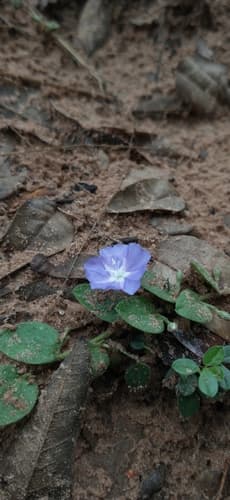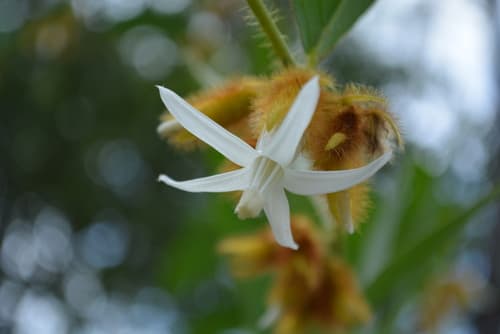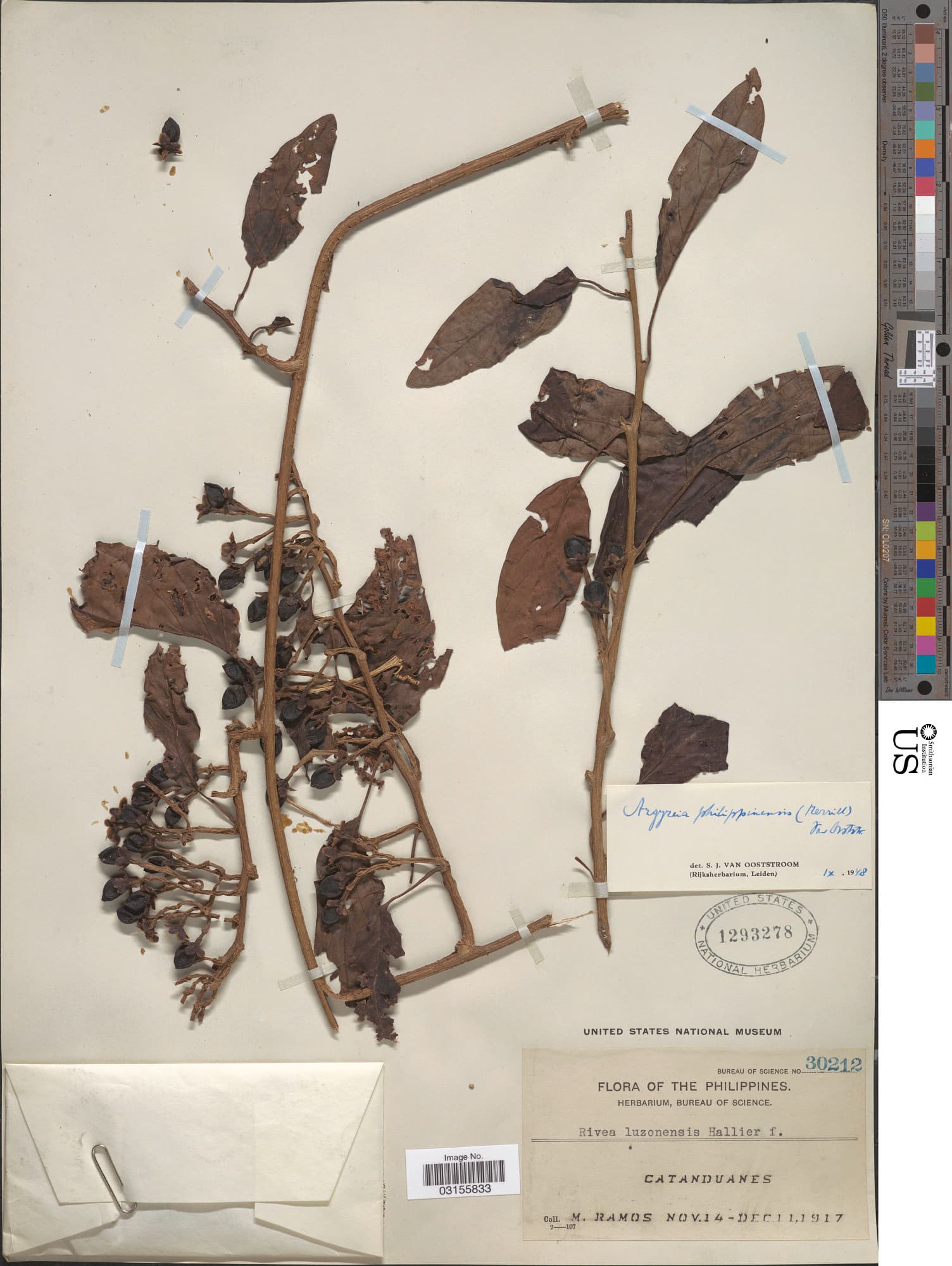
Argyreia philippinensis
Image: Conveyor Belt (cc0)
NameArgyreia philippinensis
Scientific NameArgyreia philippinensis (Merr.) Ooststr.
Common NamesPhilippine Argyreia
Plant FamilyConvolvulaceae
Natural HabitatTropical and subtropical forests of the Philippines, thriving in warm, humid environments with adequate sunlight.
Parts Usedseed,leaf
Medicinal Actionsnervine, sedative, analgesic, anti-inflammatory
Traditional UsesWhile specific traditional uses for Argyreia philippinensis are not extensively documented, other species within the Argyreia genus are traditionally valued. Their seeds are known for psychoactive properties, while leaves and roots have been used for treating pain, inflammation, and as general tonics. It is plausible that A. philippinensis shares similar applications, particularly concerning its seeds.
Active Constituentslysergic acid amide (LSA), iso-lysergic acid amide, ergine, isoergine
Preparation Methodspowder, infusion, tincture, poultice
Contraindications & WarningsDue to the potential presence of ergoline alkaloids, consumption can cause nausea, vomiting, dizziness, and psychoactive effects. It should be avoided by pregnant or nursing women, individuals with liver conditions, heart conditions, or psychiatric disorders. Interactions with other psychoactive substances or medications are likely.
Cultivation NotesPrefers warm, humid climates with well-draining soil and full to partial sun. As a vine, it requires structural support for climbing. Propagation is typically achieved through seeds or stem cuttings.
Rarityuncommon
Description
Argyreia philippinensis is a woody climbing vine, native to the Philippines. It features alternate, ovate to elliptic leaves and produces clusters of globose fruits, as observed in the specimen, which contain seeds.