Yellow waxbells
NameYellow waxbells
Scientific NameKirengeshoma palmata
Common NamesYellow waxbells, Japanese waxbells, Kirengeshoma
Plant FamilyHydrangeaceae
Natural HabitatNative to moist, shady woodland areas and mountain slopes in Japan and Korea. It thrives in cool, humid environments with rich, well-drained, acidic soil.
Parts Usedleaf,root
Medicinal Actionsanti-inflammatory, antioxidant
Traditional UsesWhile primarily cultivated as an ornamental, some folk medicine traditions in its native regions of Japan and Korea have historically used parts of the plant for their anti-inflammatory properties, particularly for pain and swelling. Modern research has explored its potential anti-inflammatory and antioxidant effects, though widespread traditional medicinal use for humans is not well-documented in major herbal pharmacopoeias.
Active ConstituentsKirengeshomin A, iridoids
Preparation Methodsinfusion, decoction, powder
Contraindications & WarningsDue to limited widespread traditional use and scientific study on human consumption, specific contraindications are not well-established. Caution is advised, and it should not be used internally without expert guidance.
Cultivation NotesPrefers partial to full shade and consistently moist, well-drained, humus-rich, acidic soil. It requires protection from strong winds and hot afternoon sun. Propagated by seed or division in spring.
Rarityuncommon
Description
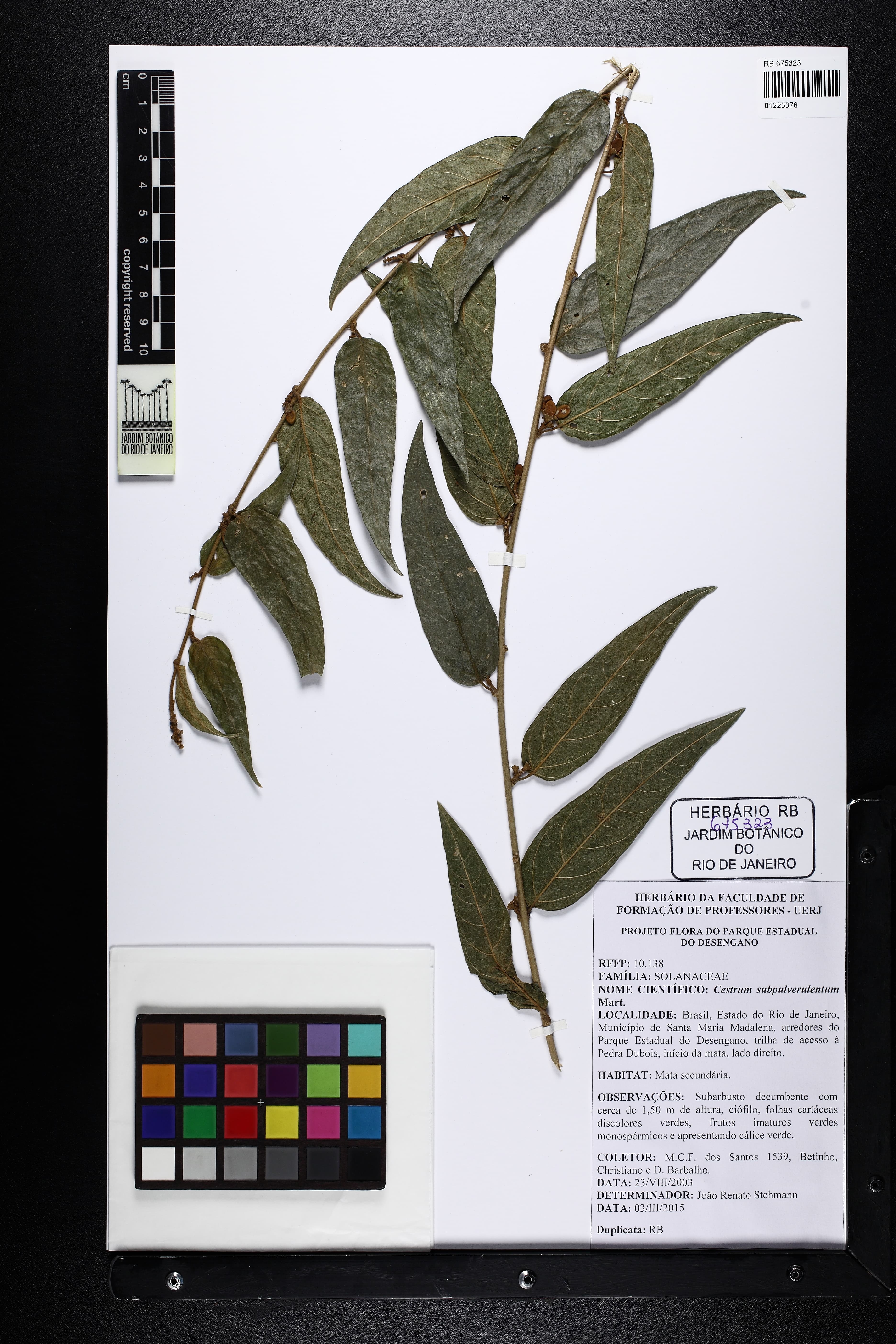
Yellow waxbells is a distinctive herbaceous perennial known for its waxy, bell-shaped yellow flowers that droop gracefully from dark, purplish stems. Its large, maple-like palmate leaves provide an attractive backdrop, making it a popular ornamental plant. The plant typically blooms in late summer to early autumn.