Quassia
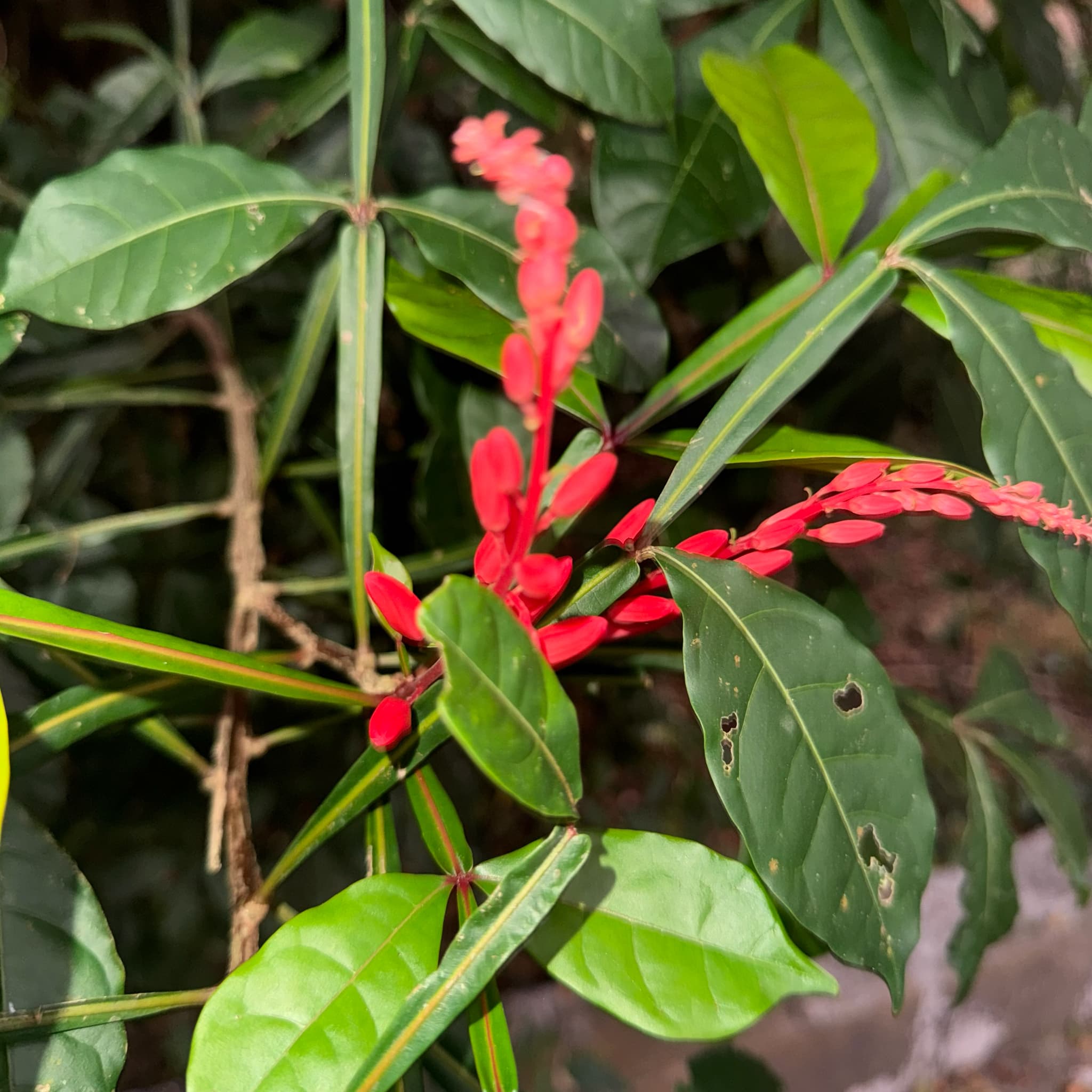
Image: kalikasam (cc-by-nc)
NameQuassia
Scientific NameQuassia amara
Common NamesBitter-wood, Amargo, Bitter Quassia, Surinam Quassia
Plant FamilySimaroubaceae
Natural HabitatNative to tropical rainforests of Central and South America, including Suriname, Brazil, Peru, and the Guianas. It thrives in warm, humid climates and prefers well-drained soils.
Parts Usedbark,leaf
Medicinal Actionsantimicrobial, anti-inflammatory, astringent, carminative
Traditional UsesTraditionally, Quassia wood and bark have been used as a bitter tonic to stimulate appetite and digestion, as an anthelmintic to expel intestinal worms, and as a febrifuge for treating fevers, including malaria. It has also been applied externally for skin conditions and as an insecticide.
Active ConstituentsQuassinoids, quassin, neoquassin, beta-sitosterol, gallic acid, catechin, tannins
Preparation Methodsinfusion, decoction, tincture, powder
Contraindications & WarningsContraindicated during pregnancy and lactation, in individuals with gastric ulcers, inflammatory bowel conditions, or in children. High doses can cause nausea, vomiting, and liver damage. May interact with antacids or drugs that reduce stomach acid.
Cultivation NotesPrefers full sun to partial shade and well-drained, fertile soil. Requires a warm, humid tropical climate and consistent moisture. Can be propagated by seeds or cuttings.
Raritycommon
Description
Quassia amara is a small, evergreen shrub or tree characterized by its pinnate leaves with winged petioles and striking bright red flowers arranged in terminal racemes. The plant is renowned for its intensely bitter taste, particularly in its wood and bark.