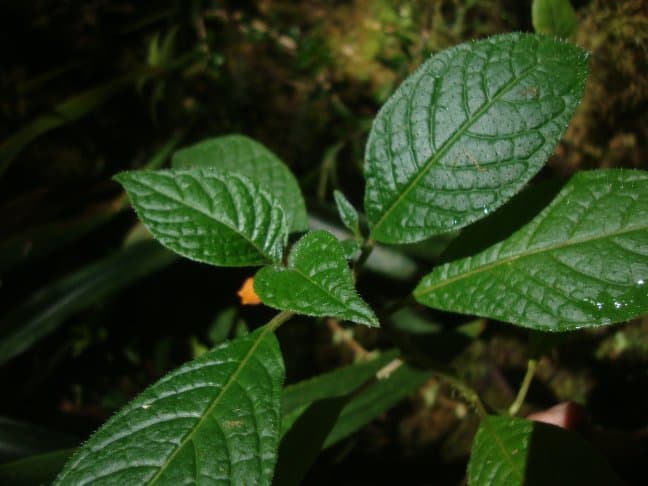
Ipomoea indivisa
NameIpomoea indivisa
Scientific NameIpomoea indivisa
Common NamesScarlet Morning Glory, Red Morning Glory
Plant FamilyConvolvulaceae
Natural HabitatNative to tropical and subtropical regions of the Americas, it commonly grows in disturbed areas such as roadsides, fields, forest edges, and cultivated land, often considered a weed.
Parts Usedleaf,whole_plant
Medicinal Actionsanti-inflammatory, antimicrobial
Traditional UsesWhile specific traditional uses for Ipomoea indivisa are not extensively documented, other closely related Ipomoea species are traditionally used for their anti-inflammatory and antimicrobial properties. Preparations from the leaves or whole plant might be applied externally for skin irritations or minor wounds, or taken internally for general wellness, though caution is advised.
Active ConstituentsFlavonoids, Resins
Preparation Methodsinfusion, poultice
Contraindications & WarningsAs with many Ipomoea species, internal use should be approached with caution due to potential purgative effects and the presence of various compounds whose full effects are not well-studied for this specific species. Not recommended for pregnant or breastfeeding women, or young children without expert guidance.
Cultivation NotesThis vine is easy to grow in full sun to partial shade and well-drained soil. It requires a trellis or other support to climb and can self-seed readily, sometimes becoming invasive in suitable climates.
Raritycommon
Description
Ipomoea indivisa is a slender, annual twining vine characterized by its vibrant, small, tubular, reddish-orange flowers that typically open in the morning. Its leaves are simple, often cordate or hastate, and it climbs by twining around other vegetation or structures.