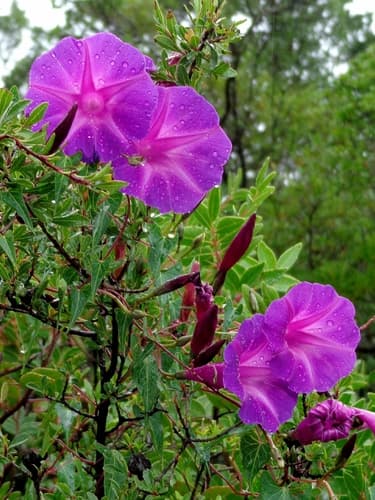
Ipomoea miquihuanensis
NameIpomoea miquihuanensis
Scientific NameIpomoea miquihuanensis
Common NamesMiquihuana Morning Glory
Plant FamilyConvolvulaceae
Natural HabitatEndemic to the Sierra Madre Oriental in Mexico, particularly found in the Miquihuana region of Tamaulipas. It thrives in rocky, mountainous terrain, often in dry or semi-arid conditions.
Parts Usedleaf,flower,root,seed
Medicinal Actionsantioxidant, anti-inflammatory
Traditional UsesSpecific traditional medicinal uses for *Ipomoea miquihuanensis* are not widely documented in ethnobotanical literature. However, other species within the *Ipomoea* genus are traditionally used for their purgative, anti-inflammatory, or psychoactive properties.
Active ConstituentsResin glycosides, Ergoline alkaloids (potential)
Preparation Methodsinfusion, decoction, powder
Contraindications & WarningsDue to the potential presence of purgative resin glycosides or psychoactive ergoline alkaloids common in the *Ipomoea* genus, this plant should be used with extreme caution. Avoid during pregnancy, lactation, and in individuals with gastrointestinal issues or psychiatric conditions. Consult a healthcare professional before use.
Cultivation NotesPrefers well-drained soil and full sun, adapted to rocky, dry conditions typical of its native Mexican habitat. Propagation can be from seeds or cuttings, requiring warm temperatures for germination.
Rarityuncommon
Description
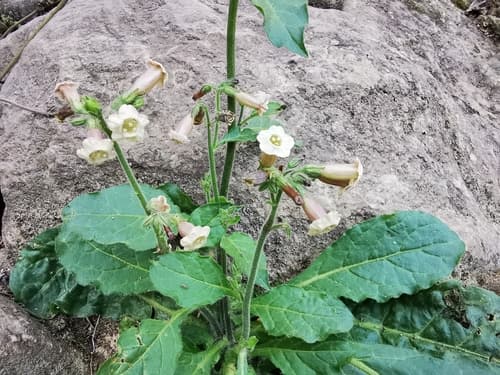
This woody shrub or small tree is characterized by its vibrant purple, funnel-shaped flowers, often adorned with water droplets. Its leaves are typically green, simple, and may have a somewhat cordate or lobed shape, while the plant produces distinctive elongated flower buds.