Witheringia
NameWitheringia
Scientific NameWitheringia asterotricha
Common NamesStar-haired Witheringia, Wild Tomatillo
Plant FamilySolanaceae
Natural HabitatNative to South America, particularly found in open woodlands, forest edges, and disturbed areas across countries like Brazil, Bolivia, Paraguay, and Argentina. It thrives in warm, subtropical to tropical climates.
Parts Usedleaf,whole_plant
Medicinal Actionsanti-inflammatory, analgesic, antioxidant
Traditional UsesTraditionally, some species within the *Witheringia* genus have been used in South American folk medicine for their anti-inflammatory and pain-relieving properties. Applications might include treating fevers, general aches, and topical skin conditions, often due to the presence of steroidal lactones.
Active ConstituentsWithanolides, Steroidal lactones, Alkaloids
Preparation Methodsinfusion, poultice, decoction
Contraindications & WarningsAs a member of the Solanaceae (nightshade) family, *Witheringia asterotricha* may contain toxic alkaloids. Internal use should be approached with extreme caution or avoided entirely due to potential toxicity. Not recommended for pregnant or nursing women, children, or individuals with pre-existing medical conditions without expert guidance.
Cultivation NotesPrefers warm, subtropical to tropical climates with well-drained soil and full sun to partial shade. It can be propagated from seed and requires moderate watering to establish and maintain growth.
Rarityuncommon
Description
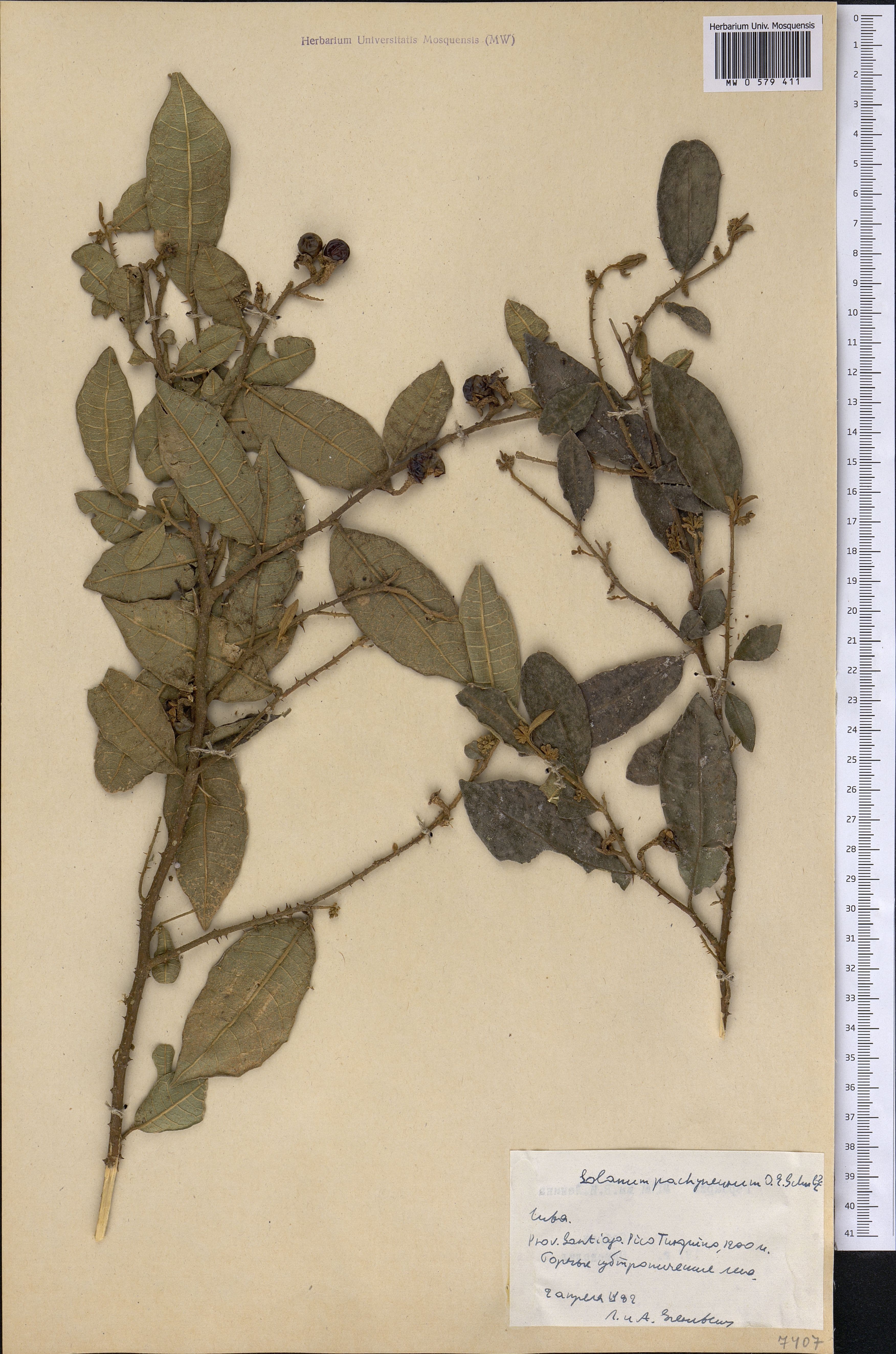
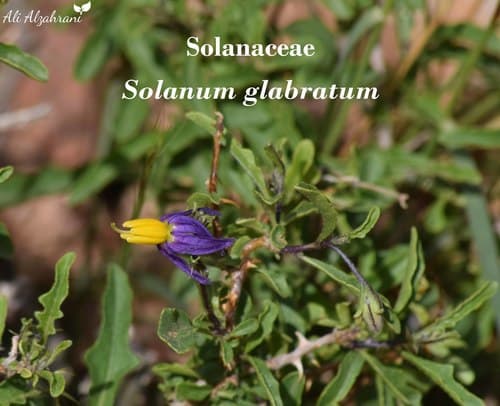
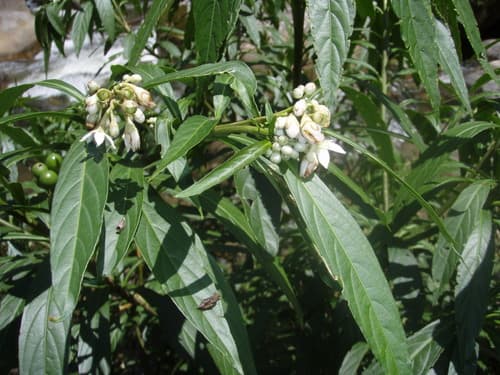
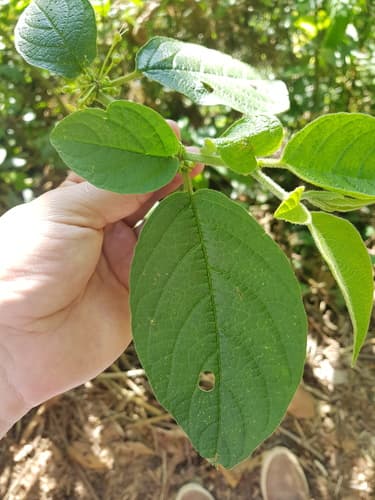
A herbaceous perennial or subshrub belonging to the nightshade family, characterized by its simple, ovate to elliptic leaves. The foliage is often covered with fine, stellate (star-shaped) hairs, giving it a slightly rough texture. It produces small, inconspicuous flowers that develop into berries.