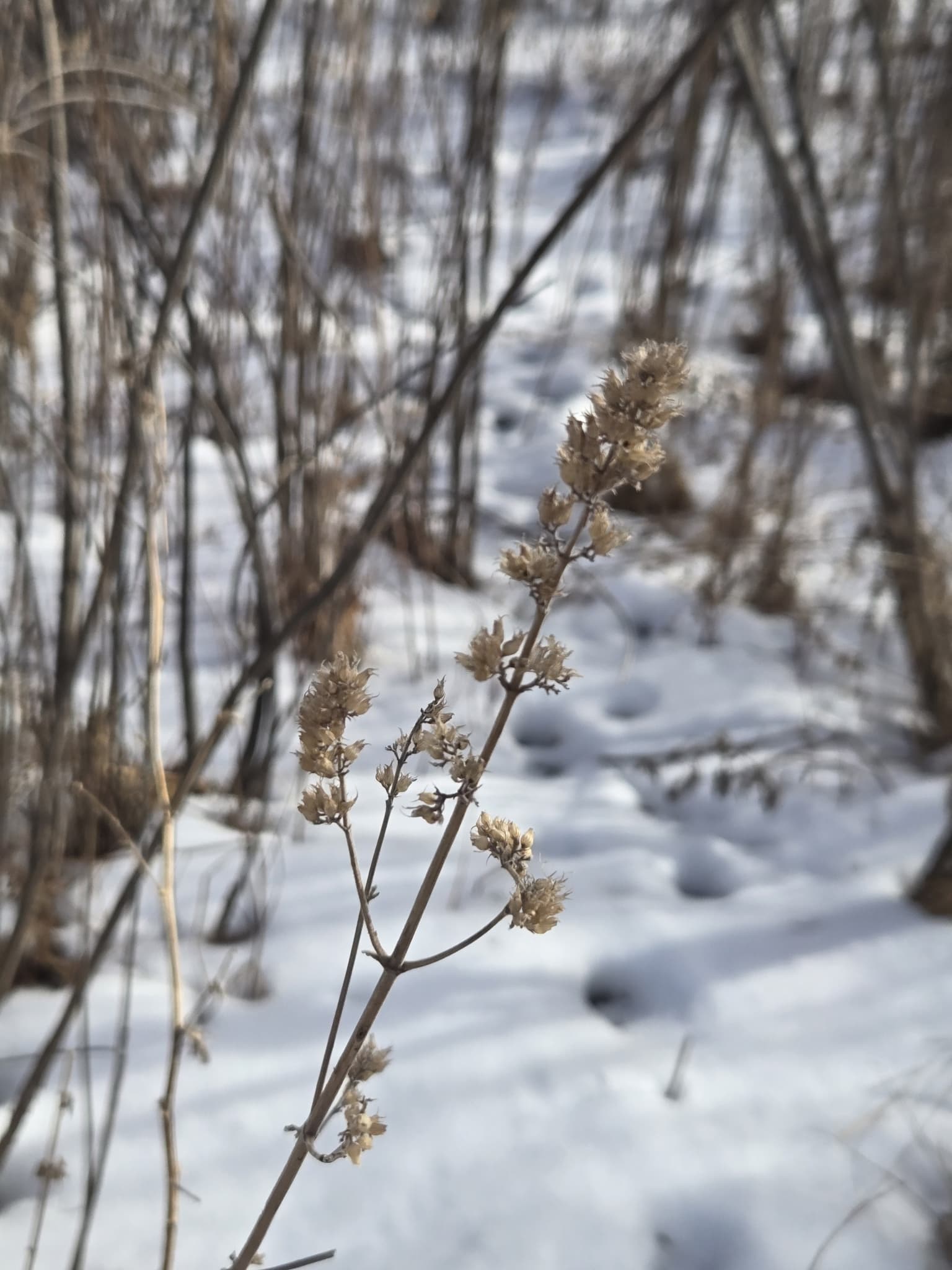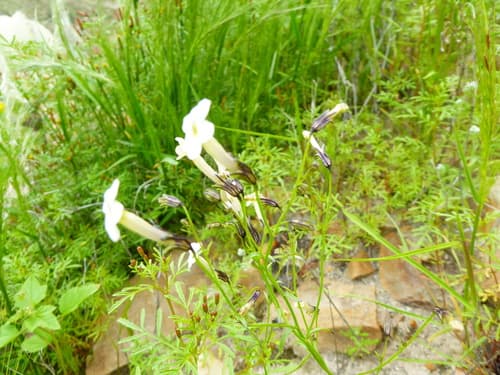
White-flowered Leptoglossis
NameWhite-flowered Leptoglossis
Scientific NameLeptoglossis albiflora
Common NamesWhite-flowered Leptoglossis, Leptoglossis
Plant FamilySolanaceae
Natural HabitatNative to South America, particularly Chile and Argentina, this plant thrives in dry, open, and often rocky or sandy environments. It can be found on hillsides and coastal regions.
Parts Usedwhole_plant
Medicinal Actionsantioxidant, anti-inflammatory
Traditional UsesSpecific traditional medicinal uses for Leptoglossis albiflora are not well-documented in ethnobotanical literature. While some general plant properties like antioxidant and anti-inflammatory effects might be present, there is no established history of its use as a traditional medicine.
Active ConstituentsNot well-documented; likely contains various alkaloids common to the Solanaceae family.
Preparation Methodsinfusion, powder
Contraindications & WarningsDue to its membership in the Solanaceae family, which includes many toxic species, and a lack of documented safety data, Leptoglossis albiflora is not recommended for internal use. Potential toxicity should be assumed, and it should be handled with caution.
Cultivation NotesThis plant prefers full sun exposure and well-drained soil conditions. It is generally drought-tolerant once established and can be propagated from seeds.
Rarityuncommon
Description
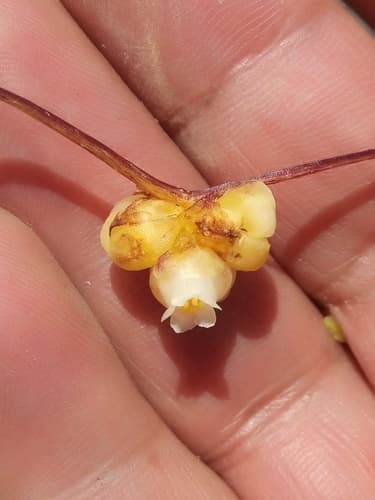
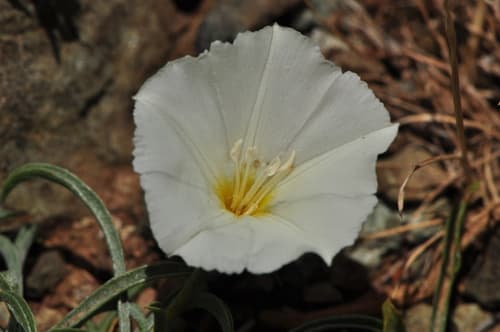
Leptoglossis albiflora is a slender annual herb characterized by its deeply lobed or pinnatifid leaves and delicate, tubular white to pale yellow flowers. The flowers often have a purplish calyx and are typically arranged in racemes or panicles, giving the plant a graceful appearance.