Convolvulus carduchorum
NameConvolvulus carduchorum
Scientific NameConvolvulus carduchorum
Common NamesCarduchorum Bindweed
Plant FamilyConvolvulaceae
Natural HabitatNative to rocky slopes, steppes, and dry, often calcareous soils in parts of the Middle East, including regions of Iraq, Iran, and Turkey. It thrives in arid to semi-arid conditions.
Parts Usedwhole_plant
Medicinal Actionsantioxidant
Traditional UsesSpecific traditional medicinal uses for Convolvulus carduchorum are not well-documented in ethnobotanical literature. While some species within the Convolvulus genus have been historically used as purgatives, often with associated toxicity, there is no reliable information regarding the traditional application of C. carduchorum for any specific ailment.
Active Constituentsresin glycosides, flavonoids
Preparation Methodspowder
Contraindications & WarningsDue to the lack of specific research on Convolvulus carduchorum and the known purgative and potentially toxic properties of some related Convolvulus species, internal use is not recommended. General contraindications for the genus may include pregnancy, lactation, and gastrointestinal disorders.
Cultivation NotesThis species prefers full sun and well-drained, rocky or sandy soil. It is drought-tolerant once established and generally low-maintenance. Propagation can be from seed or cuttings.
Rarityuncommon
Description
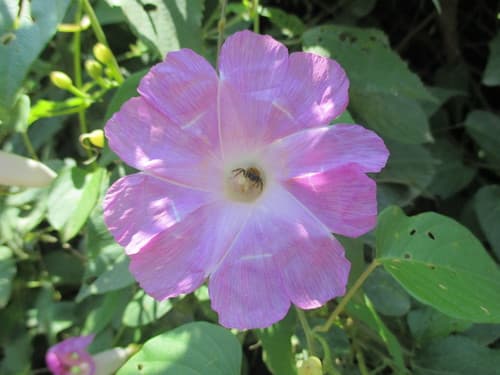
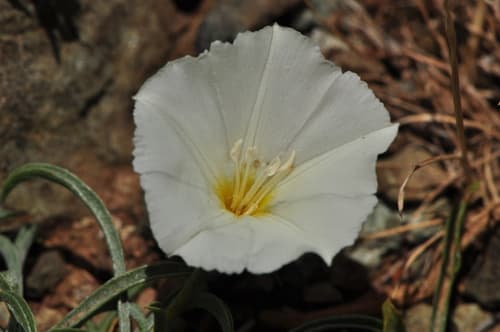
Convolvulus carduchorum is a perennial herbaceous plant characterized by its silvery-hairy, often linear to spatulate leaves and solitary, funnel-shaped white flowers with a yellow throat. It typically grows prostrate or ascending in dry, rocky environments. Specific medicinal uses for this particular species are not well-documented in traditional or modern herbalism.