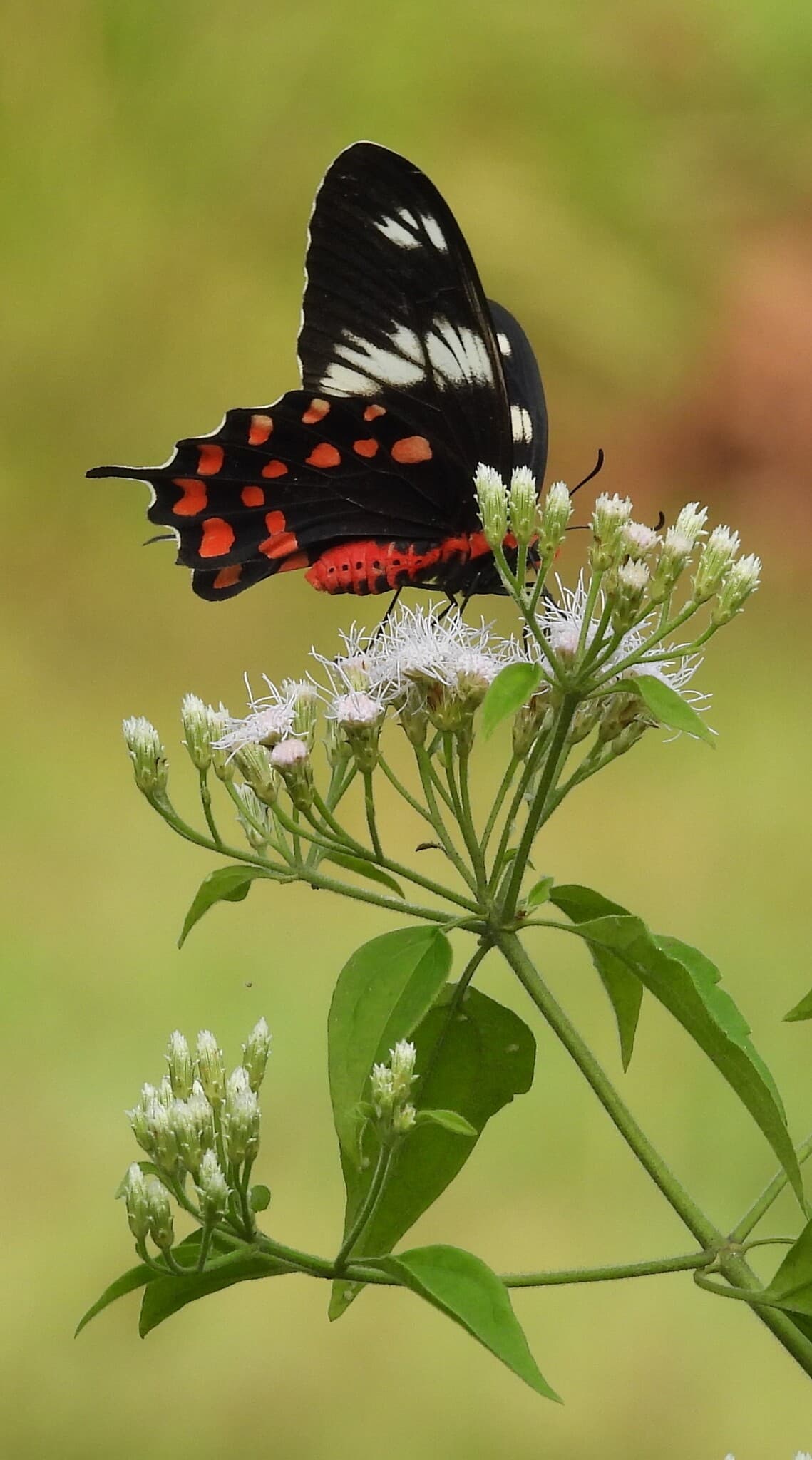
Solanum hazenii
NameSolanum hazenii
Scientific NameSolanum hazenii
Common NamesNone widely recognized
Plant FamilySolanaceae
Natural HabitatThis species is native to Ecuador, typically found in montane forests, forest edges, and disturbed areas at various elevations.
Parts Usedleaf,fruit
Medicinal Actionsanti-inflammatory, analgesic, antimicrobial
Traditional UsesSpecific traditional medicinal uses for Solanum hazenii are not well-documented. However, within the broader Solanum genus, various species have been traditionally used for their anti-inflammatory and pain-relieving properties, often applied topically for skin conditions or internally for certain ailments, though caution is always advised due to potential toxicity.
Active Constituentssteroidal glycoalkaloids, flavonoids
Preparation Methodspoultice, decoction, powder
Contraindications & WarningsDue to the presence of potentially toxic steroidal glycoalkaloids, especially in unripe fruits and leaves common in the Solanum genus, Solanum hazenii should be considered toxic unless proven otherwise. Internal use is generally not recommended without expert guidance. May cause gastrointestinal upset, neurological symptoms, or allergic reactions. Pregnant or breastfeeding individuals and those with pre-existing conditions should avoid use.
Cultivation NotesPrefers well-drained soil and can tolerate full sun to partial shade. Requires moderate watering and is typically propagated by seed or cuttings. It is adapted to tropical montane climates.
Rarityuncommon
Description
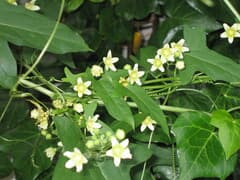
Solanum hazenii is a plant characterized by simple, ovate leaves and clusters of small, star-shaped white flowers with prominent yellow anthers. The plant produces small, spherical green fruits that are visible in their immature stage.