Thickleaf Groundcherry
NameThickleaf Groundcherry
Scientific NamePhysalis crassifolia
Common NamesThickleaf Groundcherry, Desert Groundcherry
Plant FamilySolanaceae
Natural HabitatNative to arid and semi-arid regions of the southwestern United States and northern Mexico, typically found in rocky slopes, sandy washes, and desert scrub environments.
Parts Usedfruit,leaf
Medicinal Actionsanti-inflammatory, antioxidant, diuretic
Traditional UsesTraditionally, various Physalis species, including related groundcherries, have been used for their diuretic properties, to alleviate fevers, and to reduce pain and inflammation. The ripe fruits are sometimes consumed for their nutritional value and mild medicinal effects, while leaves might be used externally.
Active ConstituentsPhysalins, Withanolides, Flavonoids
Preparation Methodsinfusion, powder, poultice
Contraindications & WarningsUnripe fruits of Physalis species are toxic and should not be consumed. Caution is advised for individuals with allergies to plants in the Solanaceae family.
Cultivation NotesThrives in full sun and well-drained, sandy or rocky soils. It is highly drought-tolerant once established and requires minimal water, making it suitable for xeriscaping in appropriate climates.
Rarityuncommon
Description
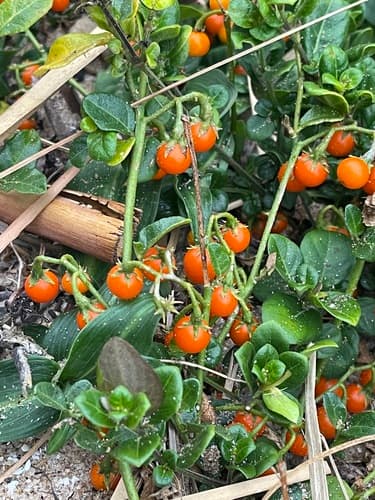
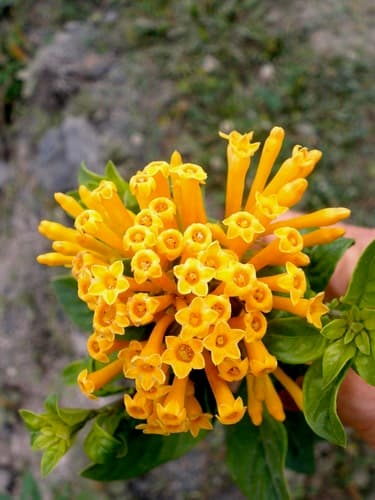
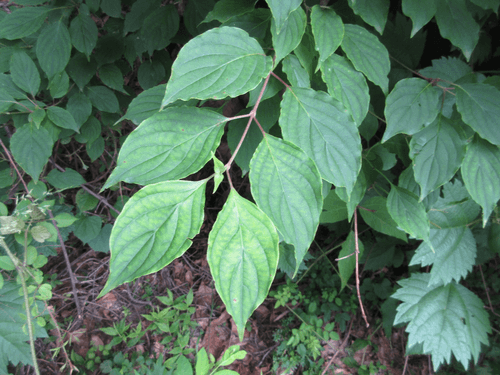
A low-growing perennial herb characterized by its thick, often hairy, ovate leaves and solitary, bell-shaped yellow flowers with a darker central eye. It produces a berry enclosed within an inflated, lantern-like calyx, which is typical of the Physalis genus.