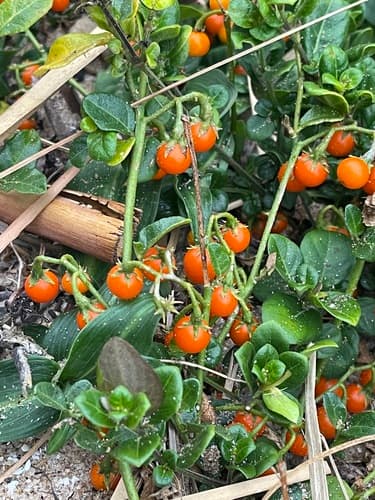
Solanum litoraneum
NameSolanum litoraneum
Scientific NameSolanum litoraneum
Common NamesCoastal Nightshade, Beach Nightshade
Plant FamilySolanaceae
Natural HabitatNative to coastal regions of South America, thriving in sandy beaches, dunes, and rocky shores, often tolerant of saline conditions.
Parts Usedfruit,leaf
Medicinal Actionsanti-inflammatory, analgesic
Traditional UsesSpecific traditional medicinal uses for Solanum litoraneum are not well-documented in common ethnobotanical literature, likely due to its potential toxicity. Other Solanum species have been used cautiously for pain relief, inflammation, and skin conditions, but internal use of S. litoraneum is generally discouraged due to the presence of toxic glycoalkaloids.
Active Constituentssteroidal glycoalkaloids (e.g., solanine), flavonoids
Preparation Methodspoultice, salve
Contraindications & WarningsAll parts of Solanum litoraneum, especially unripe fruits, are considered toxic due to the presence of glycoalkaloids. It is contraindicated for internal use, pregnant or nursing women, children, and individuals with liver or kidney conditions. Use with extreme caution, if at all, and only under expert guidance for external applications.
Cultivation NotesPrefers full sun and well-drained, sandy soil. Tolerant of salt spray and coastal conditions. Propagated by seed or cuttings.
Rarityuncommon
Description
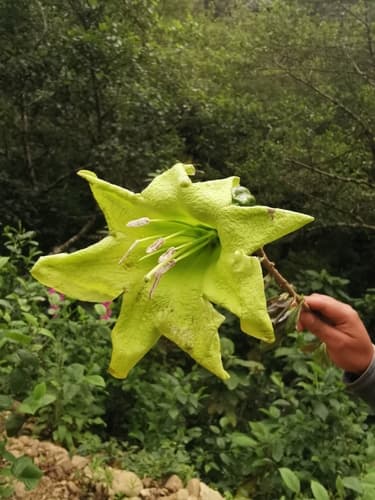
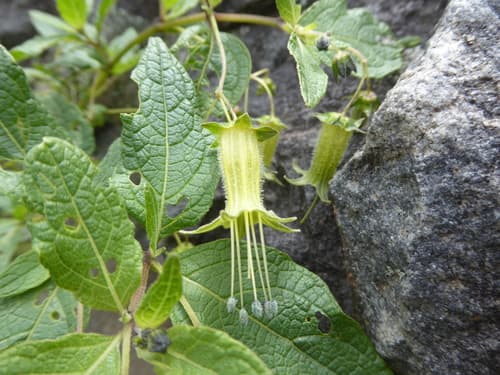
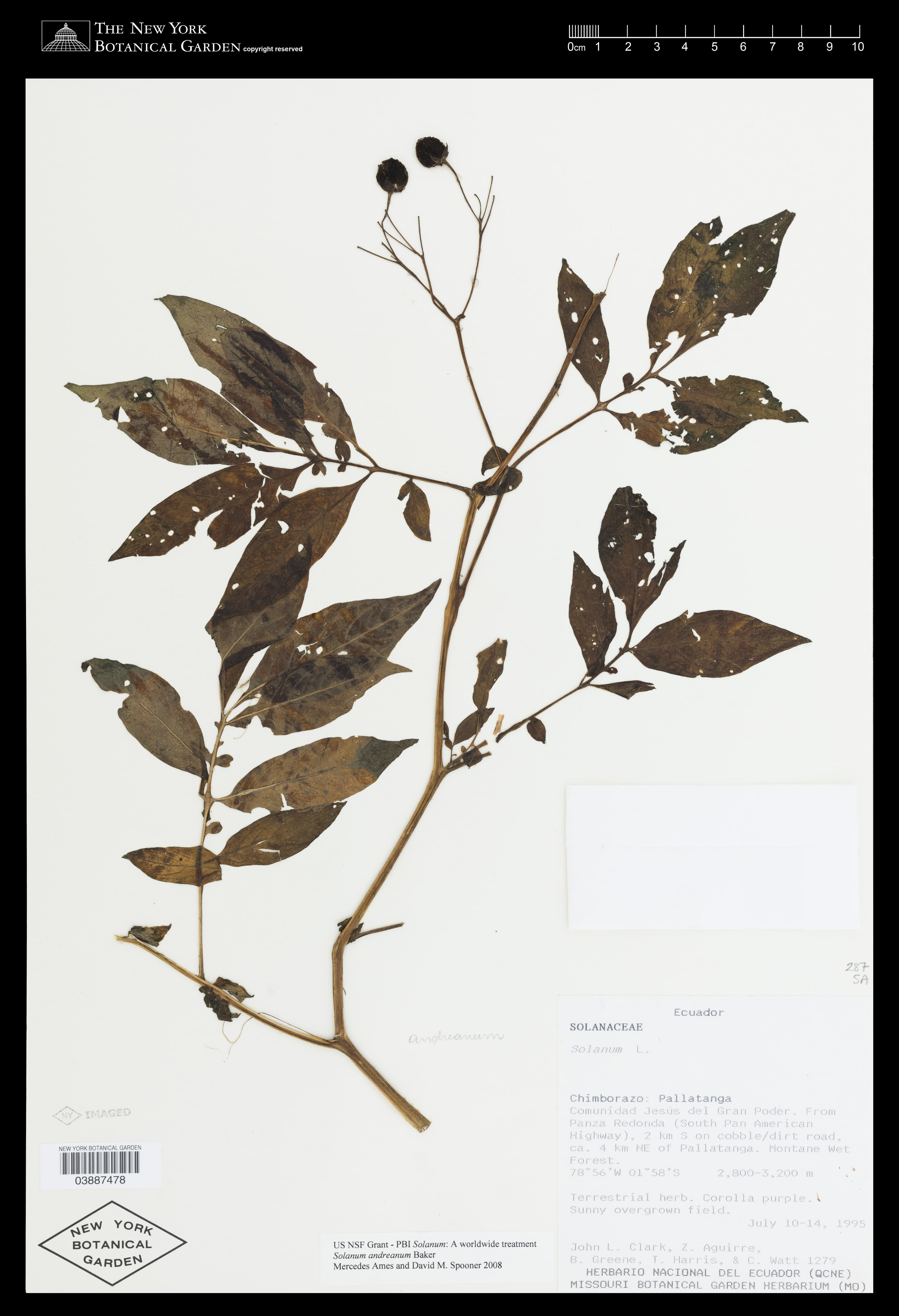
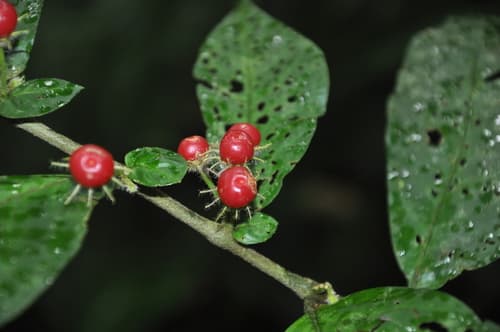
A low-growing, sprawling perennial herb or subshrub found in coastal environments. It features small, somewhat fleshy, ovate to spatulate leaves and produces numerous small, round berries that ripen from green to bright orange.