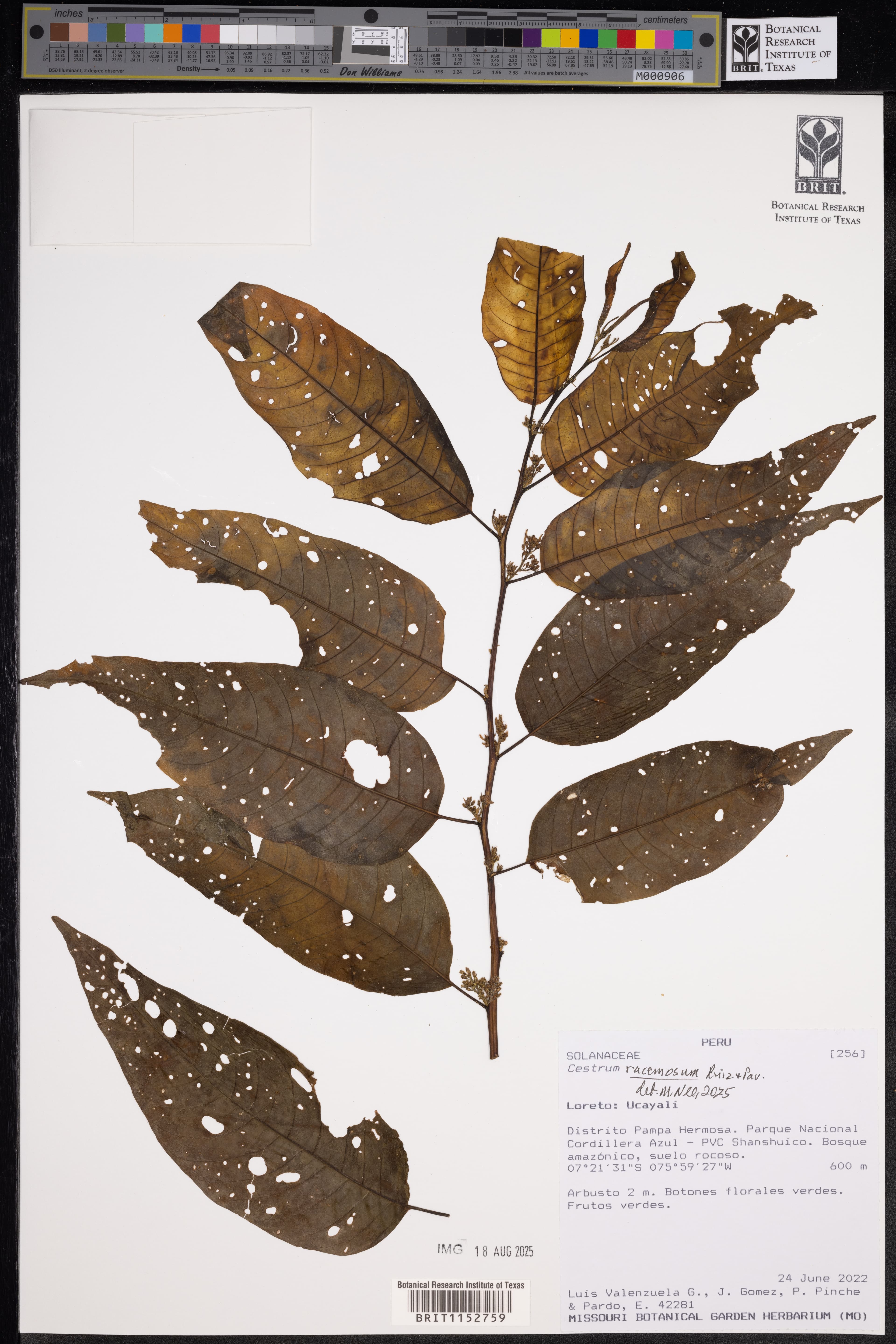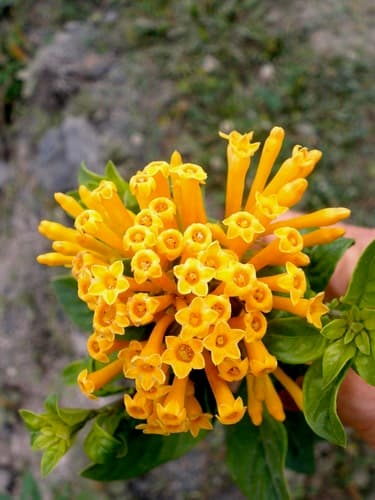
Cestrum corymbosum
NameCestrum corymbosum
Scientific NameCestrum corymbosum
Common NamesYellow Cestrum, Chilean Jasmine
Plant FamilySolanaceae
Natural HabitatNative to Chile, this plant thrives in temperate to subtropical climates. It is often found in open woodlands, scrublands, and along forest edges, preferring well-drained soils and full sun to partial shade.
Parts Usedleaf,flower
Medicinal Actionsantimicrobial
Traditional UsesTraditional medicinal uses for Cestrum corymbosum are not well-documented in safe herbal practices due to its known toxicity. While some Cestrum species have been investigated for in-vitro antimicrobial properties, and a few have very limited, localized traditional external uses (e.g., poultices for skin ailments or fevers), internal use is highly discouraged across the genus due to the presence of toxic glycoalkaloids.
Active Constituentssteroidal glycoalkaloids, solasodine, solasonine, solamargine
Preparation Methodspoultice
Contraindications & WarningsAll parts of Cestrum corymbosum are considered toxic, especially to livestock and humans. Ingestion can cause severe gastrointestinal upset, neurological symptoms (such as tremors and convulsions), and cardiac issues. This plant is not recommended for internal use under any circumstances. Avoid skin contact if sensitive, and keep away from children and pets.
Cultivation NotesCestrum corymbosum is typically grown as an ornamental shrub. It prefers full sun to partial shade and well-drained soil. It is moderately drought-tolerant once established and can be propagated from seeds or cuttings. Protect from hard frosts.
Raritycommon
Description
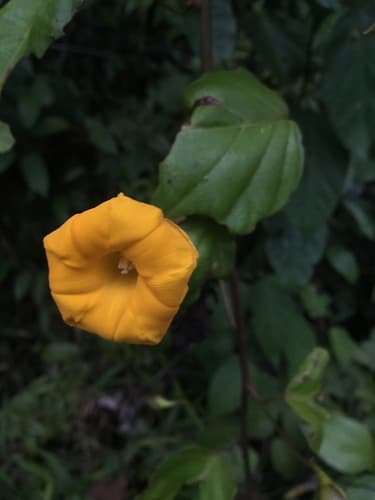
Cestrum corymbosum is an evergreen shrub characterized by its clusters of bright yellow, tubular flowers that bloom profusely. The flowers have five small, spreading lobes at the mouth of the tube and are often fragrant, especially at night. Its leaves are simple, alternate, and typically lanceolate to ovate.