Texas wolfberry
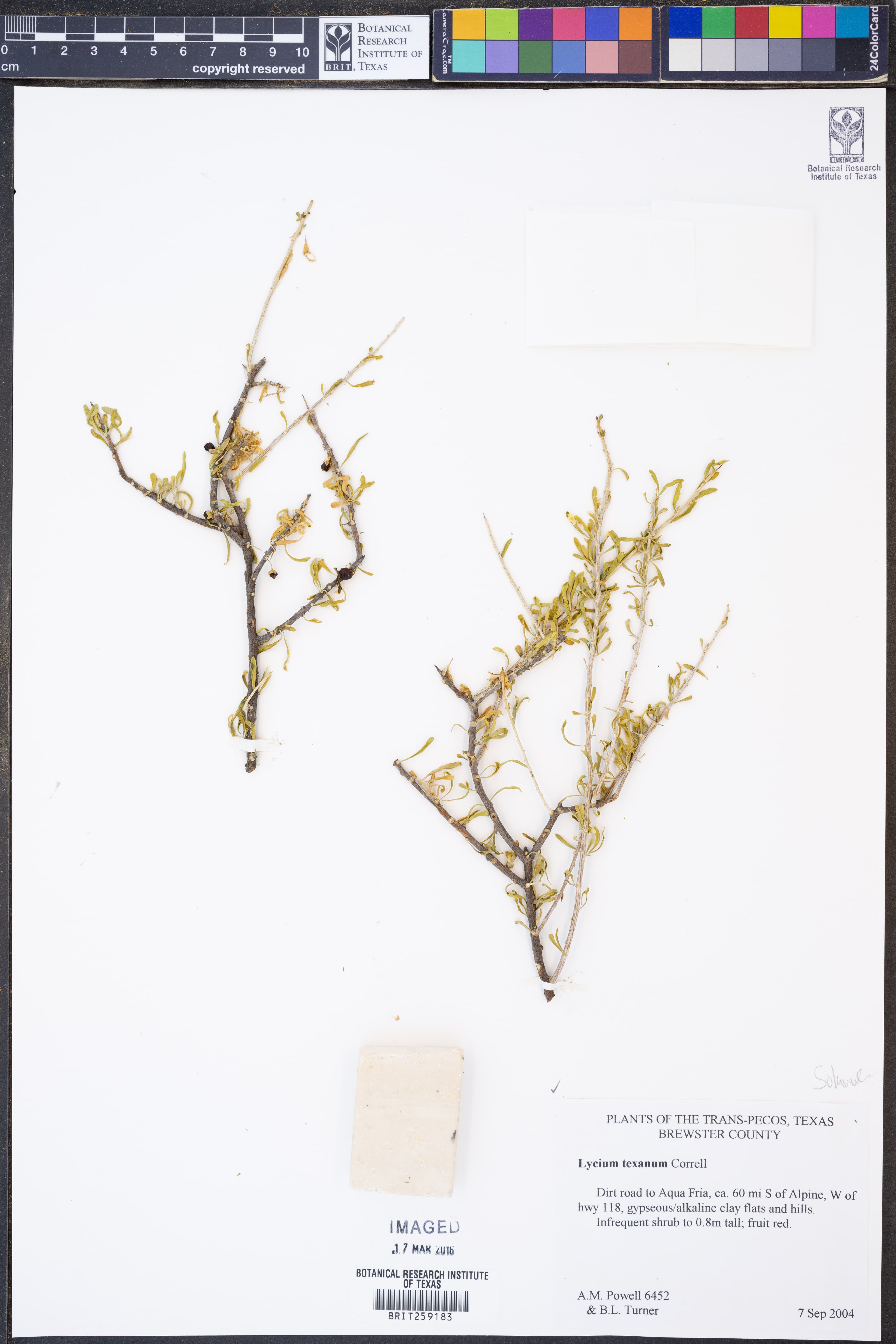
Image: A. M. Powell; Billie L. Turner (cc0)
NameTexas wolfberry
Scientific NameLycium texanum Correll
Common NamesTexas wolfberry, Texas desert-thorn
Plant FamilySolanaceae
Natural HabitatNative to the Trans-Pecos region of Texas, thriving in arid environments such as gypseous/alkaline clay flats and hills. It is often found along dirt roads and in disturbed areas.
Parts Usedfruit,leaf
Medicinal Actionsantioxidant, anti-inflammatory, adaptogen
Traditional UsesWhile specific traditional uses for Lycium texanum are not extensively documented, other species within the Lycium genus (e.g., Goji berry) are traditionally used as a general tonic, to support vision, enhance immune function, and promote longevity. It is likely that L. texanum shares some of these properties, particularly its antioxidant potential from the fruits.
Active ConstituentsPolysaccharides, Carotenoids, Flavonoids, Betaine
Preparation Methodsinfusion, powder, fruit
Contraindications & WarningsMay interact with anticoagulant medications (blood thinners) due to potential effects on blood clotting. Individuals with allergies to other Solanaceae plants (e.g., tomatoes, potatoes) should exercise caution.
Cultivation NotesPrefers full sun and well-drained, alkaline or gypseous soils. It is highly drought-tolerant once established and suitable for arid or semi-arid landscapes, requiring minimal water.
Rarityuncommon
Description
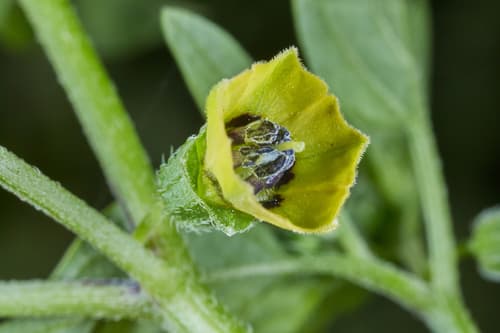
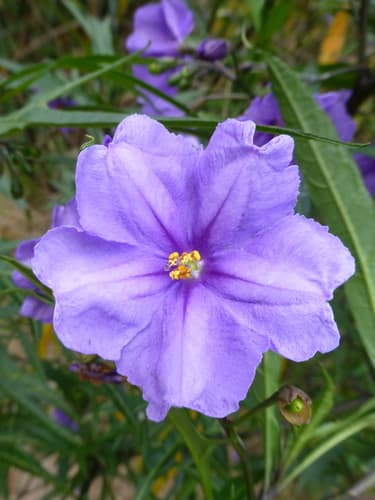
Lycium texanum is a thorny, deciduous shrub typically growing up to 0.8 meters tall. It features small, often clustered leaves and produces small, red, berry-like fruits. The specimen shows woody stems with sparse, small, spatulate leaves.