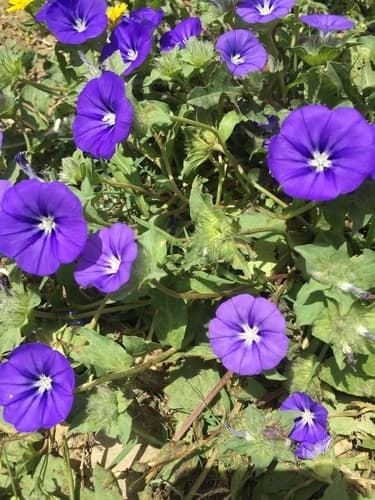
Cuscuta longiloba
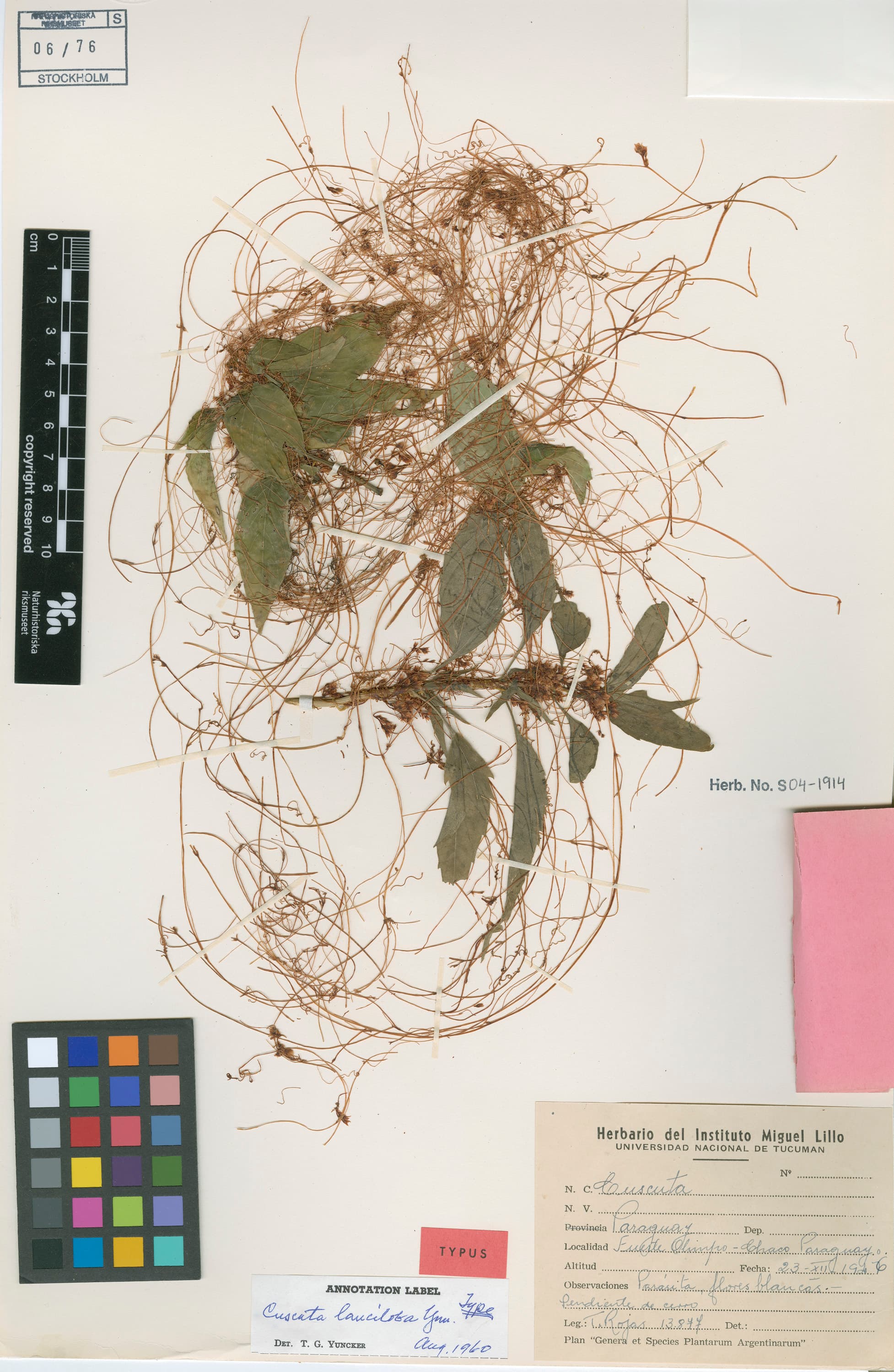
Image: Gunilla Dahlerus Lehman (S) (cc-by)
NameCuscuta longiloba
Scientific NameCuscuta longiloba Yunck.
Common NamesDodder, Love Vine, Strangleweed
Plant FamilyConvolvulaceae
Natural HabitatAs a parasitic plant, Cuscuta longiloba grows on various host plants in diverse environments. The specimen was collected in Paraguay, specifically noted on a hillside slope (pendiente de cerro).
Parts Usedwhole_plant,seed
Medicinal Actionsadaptogen, antioxidant, diuretic
Traditional UsesTraditionally, various Cuscuta species, including those related to C. longiloba, have been used in herbal medicine, particularly in Traditional Chinese Medicine (where C. chinensis is known as Tu Si Zi). Uses include supporting kidney function, improving vision, strengthening bones, and as a general tonic for vitality. It is also used for issues related to male reproductive health.
Active ConstituentsFlavonoids, Lignans, Polysaccharides, Coumarins
Preparation Methodsinfusion, decoction, powder, tincture
Contraindications & WarningsGenerally advised against during pregnancy and lactation. May interact with medications that affect blood sugar or blood pressure. Caution is advised for individuals with spleen or stomach deficiencies.
Cultivation NotesAs a parasitic plant, Cuscuta longiloba cannot be cultivated independently. It requires a suitable host plant to germinate and grow, attaching via haustoria to extract nutrients. It is often considered a weed in agricultural settings.
Raritycommon
Description
Cuscuta longiloba is a parasitic annual vine characterized by its slender, leafless, thread-like stems that twine around host plants. It produces small, inconspicuous flowers and fruits along its stems, drawing nutrients directly from its host.