Texas Blazingstar
NameTexas Blazingstar
Scientific NameMentzelia lindheimeri
Common NamesTexas Blazingstar, Lindheimer's Blazingstar
Plant FamilyLoasaceae
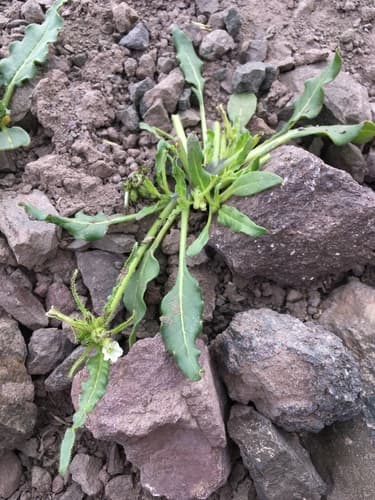
Natural HabitatNative to Texas and surrounding regions, it thrives in dry, open, sandy, or rocky soils. It is commonly found in prairies, roadsides, and disturbed areas, preferring full sun exposure.
Parts Usedwhole_plant
Medicinal Actionsastringent, anti-inflammatory
Traditional UsesWhile specific medicinal uses for Mentzelia lindheimeri are not extensively documented, some species within the Mentzelia genus have been traditionally used by indigenous peoples. These uses often include preparing poultices from the plant material for external application to skin irritations, swellings, or minor wounds.
Active Constituentsflavonoids, tannins, mucilage
Preparation Methodspoultice
Contraindications & WarningsDue to limited scientific research on its medicinal properties, specific contraindications for Texas Blazingstar are not well-established. As with any plant, allergic reactions are possible, and its hairy texture may cause skin irritation in sensitive individuals.
Cultivation NotesThis plant prefers full sun and well-drained, sandy or rocky soils. It is highly drought-tolerant once established and is typically propagated from seed, often self-seeding readily in suitable conditions.
Raritycommon
Description
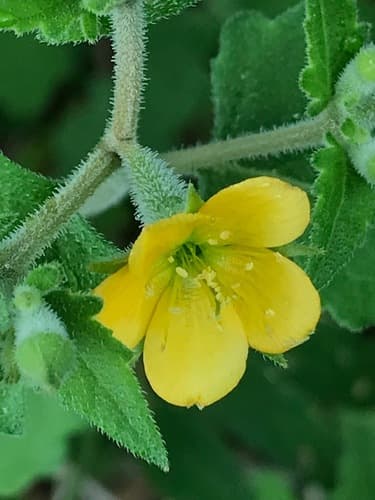
A herbaceous annual or biennial plant, Texas Blazingstar features striking bright yellow, five-petaled flowers with numerous prominent stamens. Its stems and leaves are typically covered in stiff, often barbed hairs, giving the plant a rough, 'stickleaf' texture.