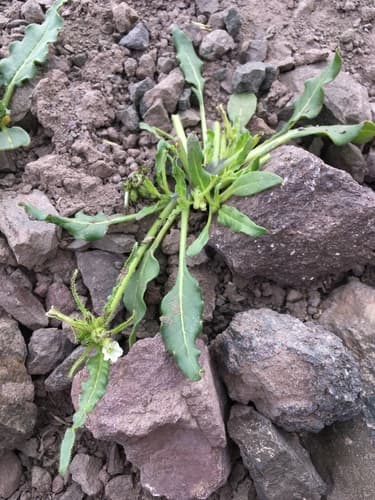
Nicotiana corymbosa
NameNicotiana corymbosa
Scientific NameNicotiana corymbosa
Common NamesWild Tobacco, Chilean Tobacco
Plant FamilySolanaceae
Natural HabitatNative to dry, rocky, and disturbed areas of Chile and Argentina, often found in arid or semi-arid environments.
Parts Usedleaf,flower,whole_plant
Medicinal Actionsanalgesic, sedative, antimicrobial
Traditional UsesLike other Nicotiana species, N. corymbosa has been traditionally used by indigenous peoples, primarily for ceremonial purposes, as a topical analgesic for pain relief (e.g., toothaches, sprains), and as an insect repellent. Internal use is generally avoided due to high toxicity.
Active ConstituentsNicotine, Anabasine, Nornicotine, other pyridine alkaloids
Preparation Methodspoultice, powder, infusion
Contraindications & WarningsALL parts of Nicotiana corymbosa are highly toxic due to the presence of nicotine and other alkaloids. It should NOT be ingested. Contact with skin can cause irritation. Extremely dangerous for pregnant or breastfeeding individuals, children, and those with heart conditions or other pre-existing health issues. Use only with extreme caution and under expert guidance for external applications, if at all.
Cultivation NotesPrefers full sun and well-drained soil, tolerating poor and rocky conditions. It can be grown from seed and is relatively drought-tolerant once established. Often cultivated as an ornamental for its flowers.
Rarityuncommon
Description
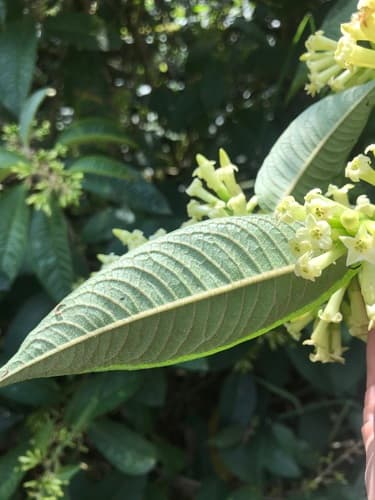
Nicotiana corymbosa is an annual or short-lived perennial herb, typically forming a basal rosette of sticky-hairy, spatulate to lanceolate leaves. It produces small, tubular, often white flowers, sometimes with a greenish or yellowish tint, which may be nocturnal.