Alternateleaf Cestrum
NameAlternateleaf Cestrum
Scientific NameCestrum alternifolium
Common NamesAlternateleaf Cestrum, Jasmine Cestrum
Plant FamilySolanaceae
Natural HabitatNative to tropical and subtropical regions of the Americas, often found in disturbed areas, forest edges, clearings, and along roadsides.
Parts Usedleaf
Medicinal Actionsanti-inflammatory, analgesic, antimicrobial
Traditional UsesTraditionally, the leaves of some Cestrum species have been used externally as poultices for skin conditions, wounds, and to relieve pain or inflammation. Internal use is generally avoided due to the plant's known toxicity.
Active Constituentssaponins, alkaloids, flavonoids
Preparation Methodspoultice
Contraindications & WarningsAll parts of Cestrum alternifolium are considered toxic, especially if ingested. It is strictly contraindicated for internal use, pregnant or lactating women, children, and individuals with liver or kidney conditions. Ingestion can cause gastrointestinal upset, neurological symptoms, and cardiac issues.
Cultivation NotesPrefers full sun to partial shade and well-drained soil. Tolerant of various soil types and can be drought-tolerant once established. Can be grown as an ornamental shrub in warm climates.
Raritycommon
Description
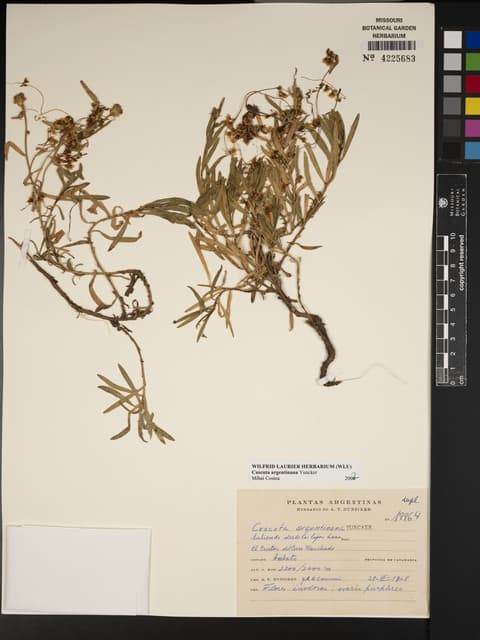
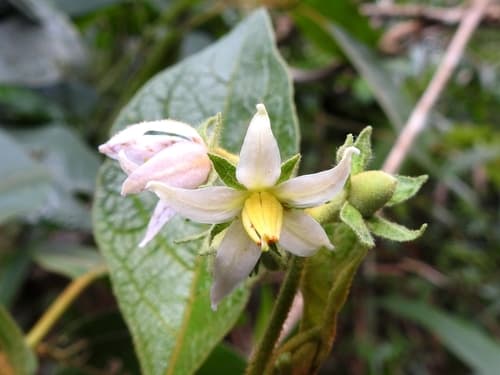
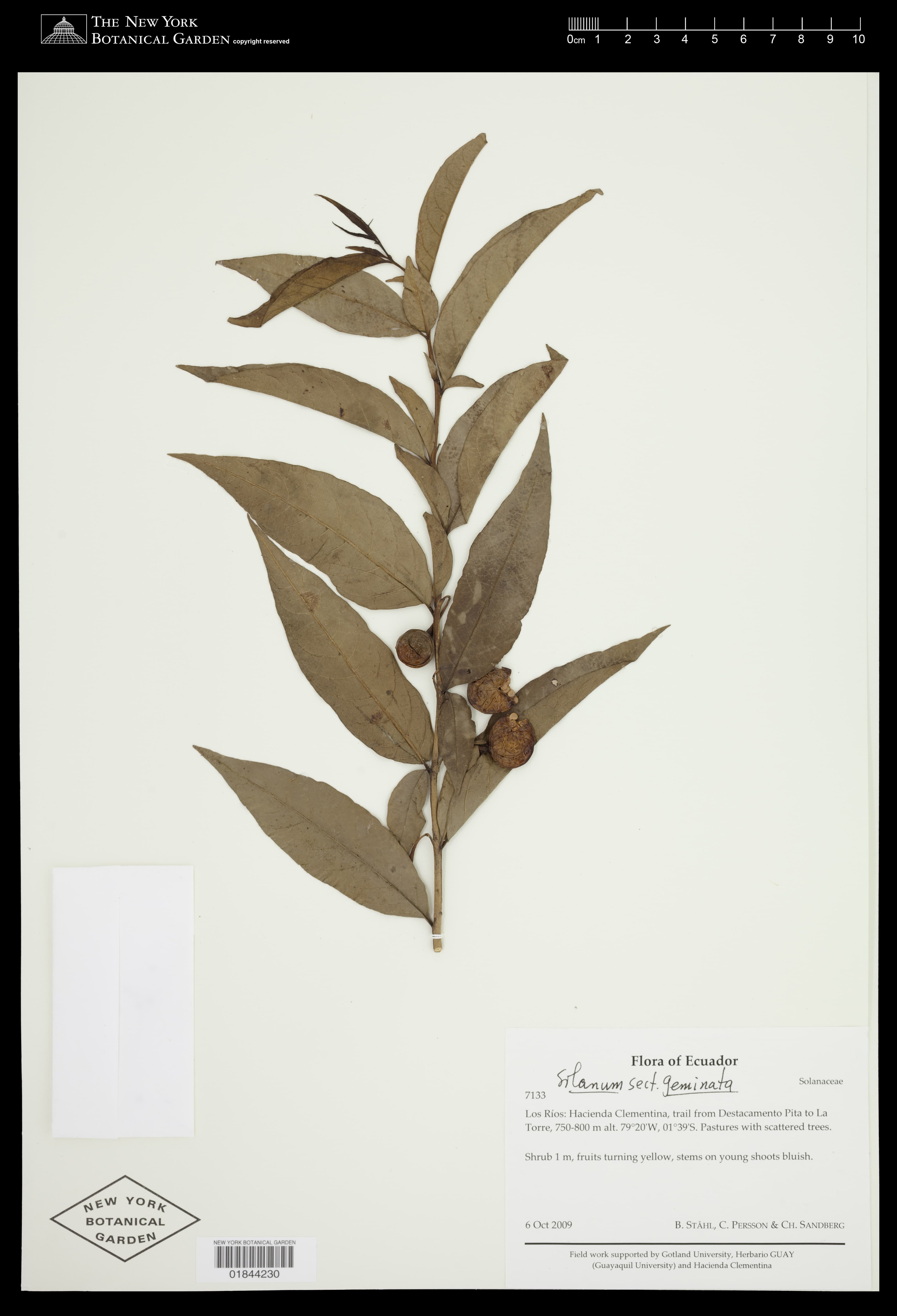
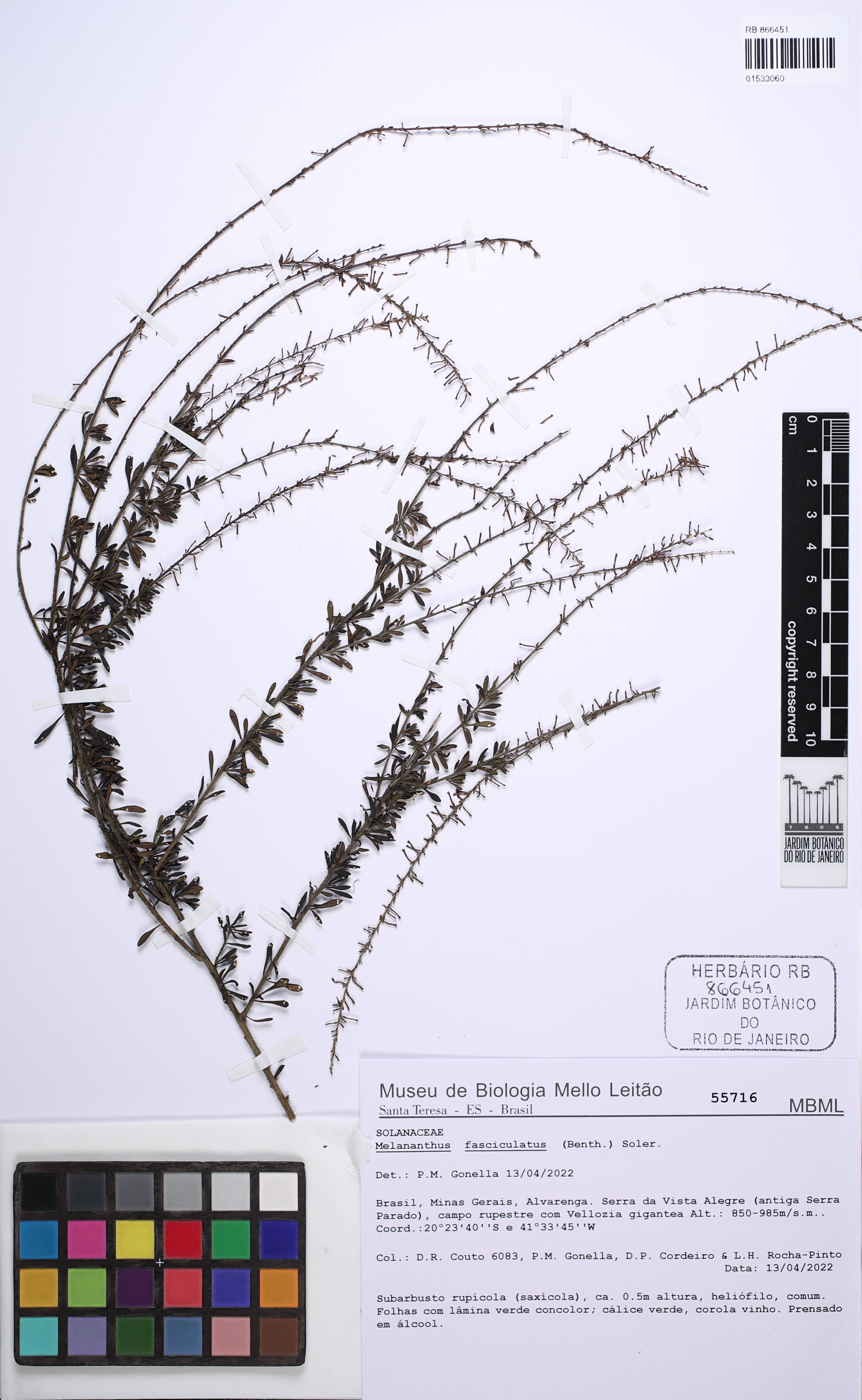
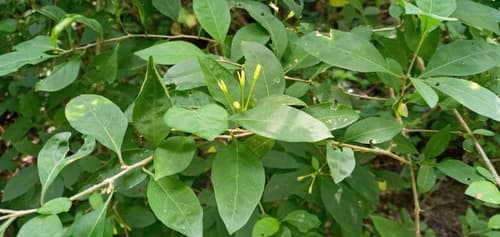
Cestrum alternifolium is a shrub characterized by its simple, alternate, ovate to lanceolate leaves. It produces clusters of small, tubular, greenish-yellow flowers that develop into small berries.