Sweet Cicely
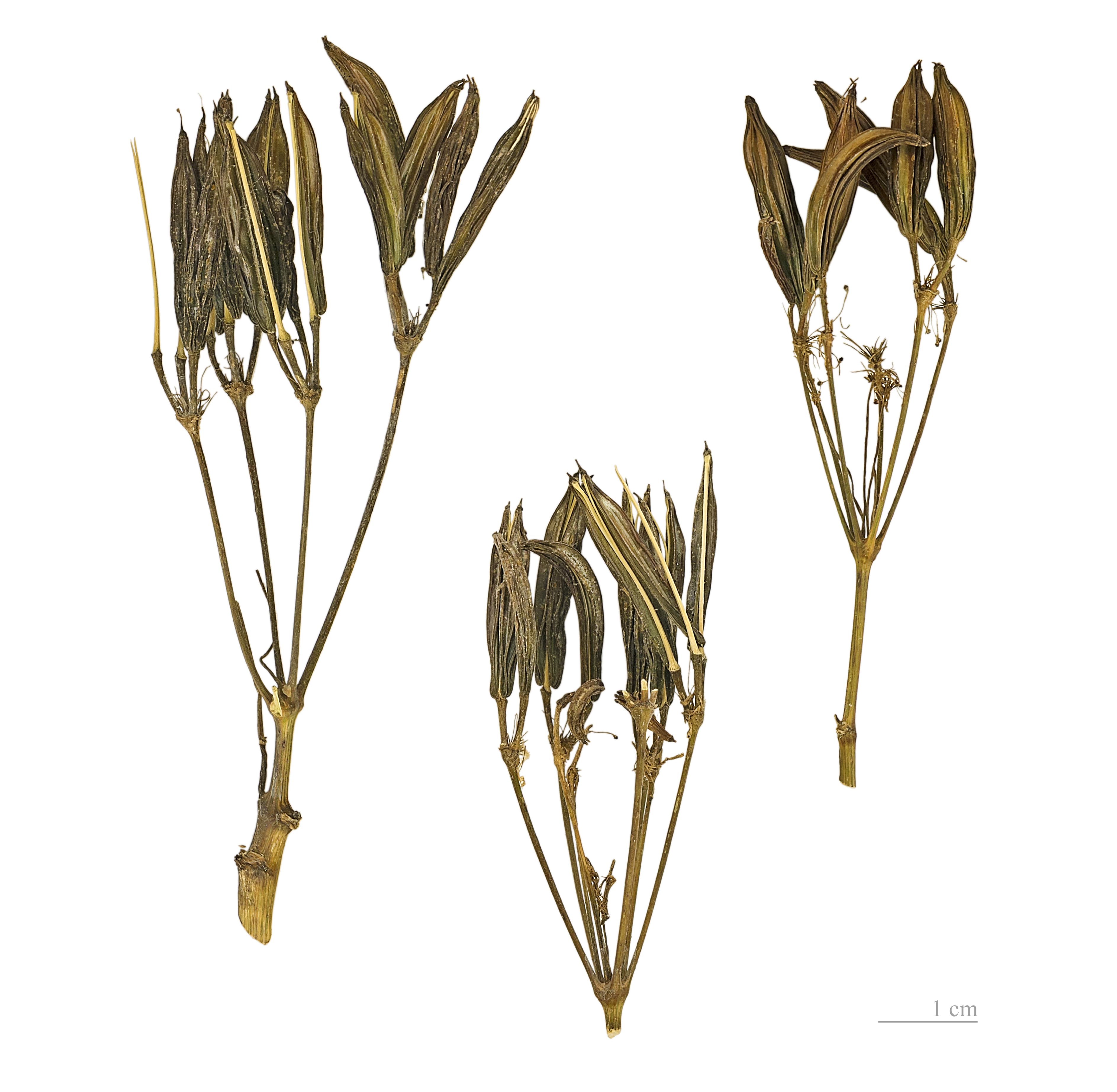
Image: Didier Descouens (CC BY-SA 4.0)
NameSweet Cicely
Scientific NameMyrrhis odorata
Common NamesSweet Cicely, Cicely, Garden Myrrh, Anise Myrrh
Plant FamilyApiaceae
Natural HabitatNative to mountainous regions of central and southern Europe, Sweet Cicely thrives in damp, shady woodlands, hedgerows, and along stream banks. It prefers moist, well-drained, and fertile soil.
Parts Usedleaf,flower,root,seed,fruit
Medicinal Actionscarminative, expectorant, diuretic, antimicrobial
Traditional UsesTraditionally, Sweet Cicely has been used as a digestive aid, particularly for flatulence and indigestion, due to its carminative properties. It was also employed as an expectorant for coughs and chest complaints, and as a mild diuretic. The leaves and roots were sometimes used in tonics.
Active ConstituentsAnethole, coumarins, flavonoids, volatile oils
Preparation Methodsinfusion, decoction, tincture, powder
Contraindications & WarningsGenerally considered safe in culinary amounts. Large medicinal doses might be contraindicated during pregnancy due to coumarin content, though this is not well-documented for Sweet Cicely specifically. Individuals with allergies to the Apiaceae family should exercise caution.
Cultivation NotesPrefers partial shade to full sun in cooler climates, and moist, well-drained, fertile soil. It can be propagated by seed or division of roots and self-seeds readily.
Raritycommon
Description
Sweet Cicely is a herbaceous perennial plant characterized by its fern-like, finely divided leaves and clusters of small white flowers arranged in umbels. It produces distinctive elongated, ribbed fruits (schizocarps) that ripen to a dark brown, as seen in the image, and have a strong anise-like scent. The plant typically grows to about 60-100 cm tall.